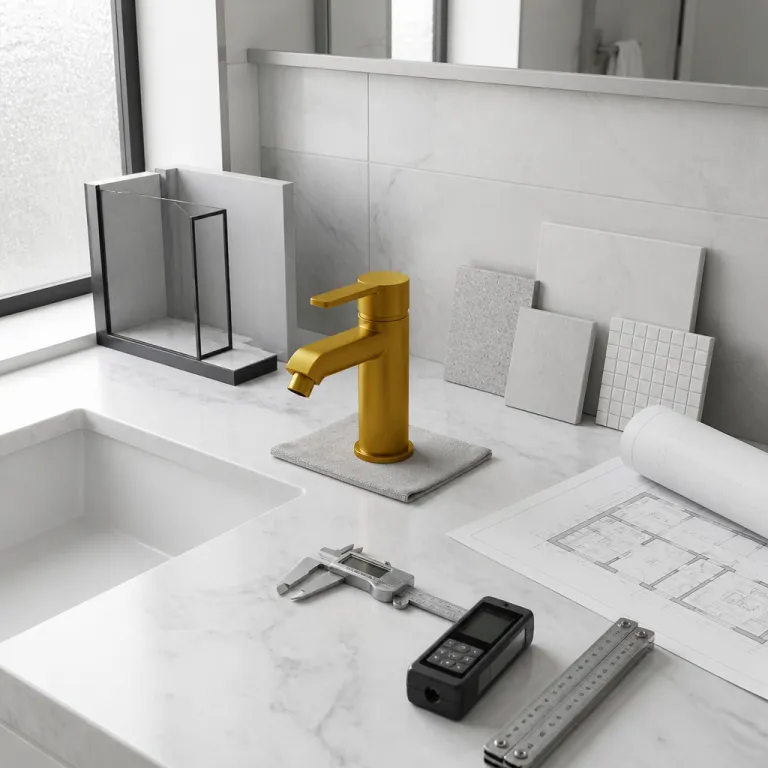
The bathroom as the most honest room in a luxury hotel
The fastest way to read a hotel’s architectural ambition is to walk straight to the bathroom. In a truly luxury hotel, the bathroom design, the architecture and the overall luxury experience align so precisely that the space feels inevitable rather than decorated. When that alignment fails, guests sense it immediately, because bathrooms expose every compromise in space, materials and lighting.
Hotel architects know that a bathroom is not a backstage utility room but a calibrated sequence of thresholds, views and volumes. In the best modern hotel projects, the hotel bathroom becomes a small piece of urban design, where circulation, storage and privacy are planned with the same care as a lobby staircase. This is why hotel bathroom design, architecture and luxury experience now sit at the center of many design hotel briefs, not as an afterthought but as the room that quietly carries the promise of the entire hotel stay.
Across the industry, bathrooms have shifted from purely functional rooms to architectural statements that define the perceived level of luxury. Data from recent hospitality surveys show that when hotel bathrooms move from basic to modern, guest satisfaction can rise by around twenty percent, which is a huge gain for a single space. That is why seventy five percent of hotels worldwide are currently upgrading bathrooms, often starting with bathroom design and lighting before touching public areas, because guests read these spaces as proof of high quality intent.
Volume, light and the quiet power of spatial generosity
Luxury in a hotel bathroom is less about marble grade and more about volume, proportion and light. A ceiling at three metres with a tall window will make a modest set of materials feel like a spa bathroom, while a low ceiling can flatten even the most expensive stone finishes. When you book a luxury hotel, pay attention to how the bathroom space is described, because volume and daylight often matter more than the list of amenities.
Architects talk about “wet zones” and “ritual zones” inside hotel bathrooms, and the best luxury bathroom layouts separate these clearly. The ritual zone is where vanity units, mirrors and storage create a calm stage for daily routines, while the wet zone holds the shower and spa inspired tub, often framed by natural materials that can age gracefully. When these zones are compressed into one small room, the space feels cramped and guests lose the sense of a composed, spa inspired experience.
Couples planning a romantic hotel stay should look for bathroom ideas that mention windows, skylights or screens rather than only finishes. Natural light over the vanity units changes how a space feels at dawn, and it can turn a simple hotel suite into a luxurious hotel retreat. For design conscious travelers, this is where hotel bathroom design, architecture and luxury experience intersect most clearly, especially in properties that already understand spatial sequencing in family friendly rooms, as explored in this guide to traveling with children to architectural hotels.
Material honesty, tactility and the architecture of comfort
Material choices in a hotel bathroom reveal whether a hotel is serious about architecture or only about surface effect. Warm natural materials such as honed limestone, terrazzo, timber and even cork signal a commitment to tactility, while cold, shiny tiles often feel cheaper even when they cost more. The most convincing luxury bathroom design ideas use materials that can patina, because guests instinctively trust surfaces that age with dignity.
Bathrooms symbolize a hotel's design commitment, and the best interior design teams now treat them as miniature case studies in sustainable luxury. Hotel Architects and Interior Designers work together with Hotel Owners to select high quality materials, from stone to metal finishes, that can handle humidity while still feeling soft underfoot. Methods such as open plan layouts, the use of natural materials and the integration of technology are tested in the bathroom first, where the experience is intimate and any failure is immediately obvious to guests.
Lighting is the other quiet architect in hotel bathrooms, and it can make or break the perceived luxury level. Layered lighting that combines a soft indirect wash, focused task beams at the mirror and a dimmable spa inspired glow around the tub will create a calm, modern atmosphere even in compact rooms. For a deeper look at how architects choreograph compression and release in circulation spaces, including the path from bedroom to bathroom, see this analysis of how hotels use spatial sequencing to move you, because the same logic applies at the scale of a single hotel bathroom.
From lobby spectacle to bathroom reality: reading a hotel’s priorities
Many hotels invest heavily in a theatrical lobby while leaving bathrooms stuck in a previous decade. That disconnect tells you exactly where the budget and attention went, and it often reveals that the architecture is chasing first impressions rather than long term comfort. In contrast, a modern hotel that channels resources into generous bathrooms, thoughtful storage and spa bathroom details is usually more serious about the entire guest journey.
When you step into a hotel room, the bathroom is the first place where you can test the marketing language against reality. Are the vanity units solid and well proportioned, or are they flimsy shelves with nowhere to place a dopp kit ? Does the shower enclosure feel like a carefully designed spa inspired volume, or a cramped corner that was squeezed in after the fact, with awkward lighting and no space for towels ? These questions matter because they show whether the hotel bathroom design, architecture and luxury experience have been aligned or simply staged for photographs.
Architectural hotels that treat bathrooms as core spaces often have more coherent hotel suites, where the bedroom, bathroom and circulation form a single, legible composition. You can see this in projects such as Palacio Bellas Artes in San Sebastián, where a former cinema has been reworked into an architectural hotel with bathrooms that echo the building’s original curves and volumes, as detailed in this feature on the 1914 cinema reborn inside Hotel Palacio Bellas Artes. In such hotels, the bathroom is not a sealed white box but an integral part of the architectural story, and that integration is what ultimately creates a convincing luxury hotel experience.
How to read bathroom design when booking an architectural stay
For travelers booking online, the bathroom photos are often more revealing than the hero shot of the façade. Start by studying the plan if it is available, then look closely at how the bathroom design handles space, storage and circulation between the room and the wet areas. If the bathroom feels like a leftover triangle on the plan, the hotel’s architectural ambition is probably limited.
Next, examine the materials and finishes in the images with the same attention you would give to a restaurant menu. Do the tiles, stone and metal finishes look like high quality natural materials, or are they thin imitations that might age badly under constant use ? Are there thoughtful bathroom ideas such as built in shelves, generous vanity units and concealed storage that keep the space calm, or is everything balanced precariously on the edge of the sink during a hotel stay ?
Finally, read guest reviews with a bathroom focused lens, because people rarely lie about water pressure, lighting or noise. Comments about dim mirrors, awkward glass partitions or a lack of privacy between the room and the bathroom often signal that design ideas were driven by fashion rather than function. As one industry summary puts it with useful clarity, “They reflect the hotel's design ambition.” and “What features indicate a luxurious hotel bathroom? High-end materials, spacious layouts, and advanced technology.” and “How do hotel bathrooms enhance guest experience? By providing comfort, luxury, and innovative features.” which together form a practical checklist for your next booking.
FAQ
Why are hotel bathrooms such a strong indicator of overall quality ?
Bathrooms concentrate many technical and spatial challenges in a small footprint, so weak planning shows immediately. When a hotel bathroom offers generous space, good lighting, high quality materials and thoughtful storage, it usually means the same care has been applied to the rest of the hotel. Conversely, cramped layouts and cheap finishes often reveal a project where appearance mattered more than long term comfort.
What should I look for in photos when choosing a luxury hotel bathroom ?
Focus on volume, natural light and the clarity of zones rather than only on shiny finishes. A window, a separate wet area, solid vanity units and visible storage usually signal a well considered design. If every photo is cropped tightly around a single tap or tile, the overall space may be less impressive than the details suggest.
Are open plan bathrooms a good idea for couples on a romantic trip ?
Open plan layouts can feel dramatic, but they often compromise privacy and acoustic comfort. For most couples, a partially screened or fully enclosed bathroom with a generous door opening offers a better balance between intimacy and romance. Look for designs where glass, screens or level changes define the bathroom without turning it into a sealed box.
How do materials influence comfort in a hotel bathroom ?
Warm natural materials such as stone, timber and textured plaster absorb sound and feel calmer underfoot than hard, glossy tiles. These surfaces also tend to age more gracefully, which keeps the bathroom feeling luxurious over many hotel stays. When materials look thin, shiny and cold, the space can feel less welcoming even if it is technically clean.
Why do some design led hotels have disappointing bathrooms ?
Some properties prioritize lobby spectacle and social media friendly public spaces over private room comfort. In those cases, bathrooms receive less budget and design time, leading to cramped layouts, poor lighting and generic fixtures. A genuinely architectural hotel treats the bathroom as a primary space, not an afterthought hidden behind a dramatic reception desk.