Why minimalist hotel interiors are giving way to heavier, richer materials
Minimalist hotel interiors once signalled modern hospitality at its most confident. After years of pale timber, white walls and anonymous grey textiles, many guests now feel these spaces blur into one long, forgettable stay. In luxury hospitality, the emerging hotel interior materials trends for 2026 are about weight, depth and a room that actually remembers you back.
Design studios working in high end hospitality talk about "design to feel" rather than "design to photograph". WATG, in its 2023 hospitality design insights report, notes that "bold patterns, layered textures, and sculptural forms" are replacing minimalist restraint (WATG, 2023, Hospitality Design Insights, p. 14), and that shift is visible from city hotels in New York to coastal retreats in Portugal. For today’s travelers, the most interesting interiors use materials to create guest experiences where every space feels specific, not standard issue.
Market saturation plays a clear role in shaping this change in the hospitality landscape. When every hotel design leans on the same pale oak, polished concrete and backlit marble, guests feel they are sleeping in a brand, not a place. The most forward looking hotels now use heavier stone, lime plaster and solid timber furniture to anchor spaces, creating rooms where the experience is calmer, slower and more wellness focused by design.
Available data backs the shift towards more tactile hospitality concepts. DLR Group’s hospitality research, for example, observes that "design materials are becoming warmer and more tactile" across hotels (DLR Group, 2023 Hospitality Design Trends, p. 7), aligning with a broader move towards eco conscious, comfort driven interiors. For couples booking architectural stays, these design directions mean that the feel of the space — the way the floor meets bare feet or how a hand glides across a plastered wall — matters as much as the amenity list.
The new color language: earthy palettes, quiet luxury and emotional comfort
Color is where hotel interior design trends for 2026 become instantly legible to any guest. Earthy palettes of terracotta, clay and muted greens are now defining many of the most compelling interiors, replacing the cold whites and blue greys of the last decade. When you step into a room wrapped in soft plaster pinks or olive toned textiles, the space feels immediately more intimate and the overall experience becomes more grounded.
Designers in luxury hospitality use these hues to echo local culture rather than impose a global brand template. At La Réserve Firenze in Florence, the design by Gilles & Boissier orchestrates a dialogue between Renaissance palazzo stone, deep toned timber furniture and contemporary textiles, showing how color and materials can create guest experiences that feel both historic and sharply current. This is hospitality design as a quiet luxury strategy, where creating spaces that let guests feel the weight of history matters more than chasing social media trends.
Industry research on hotel color schemes is remarkably aligned. A 2023 review of hospitality projects by several design firms notes that "earthy tones like terracotta, clay, and muted greens are popular" (Hospitality Design Color Review, 2023, p. 3), and these tones pair naturally with matte stone, linen and handwoven textiles that define many of the leading hotel interior material directions for 2026. For couples seeking wellness focused stays, such palettes soften the transition between interior and outdoor spaces, making terraces, loggias and pool decks feel like extensions of the room rather than separate zones.
Color also intersects with sustainability in ways that today’s travelers rarely see on the surface. Pigments derived from natural materials, low VOC paints and undyed linens reduce environmental impact while supporting a calmer sensory experience. If you care about fossil free stays, look for properties aligning their material palette with broader net zero ambitions and read in depth guides such as the architectural blueprint behind fossil free luxury on Architectural Stay, which explain how design choices and eco friendly materials work together in hotels.
Material weight and texture: stone, timber and plaster replacing gloss
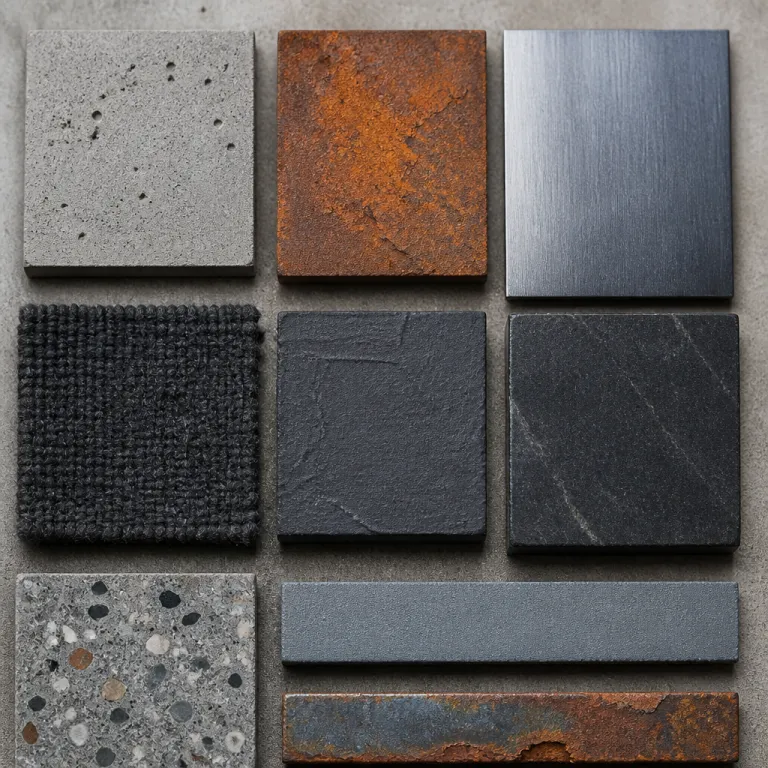
Walk into many of the most interesting hotels now and you notice the weight first. Thick stone thresholds, chunky timber headboards and deeply textured plaster walls are replacing the glass and steel language that once defined aspirational hospitality projects. These heavier materials are central to hotel interior design materials trends 2026, because they change how spaces feel in the body, not just in the photograph.
Hackrea, a design commentary platform, captures the psychology behind this shift with a simple observation: "raw materials ground the guest visually and psychologically" (Hackrea, 2023, Design Psychology Notes). When a room uses lime plaster instead of glossy paint, or travertine instead of mirror polished marble, the space feels calmer and more permanent, which is exactly what many guests seek from a wellness focused escape. For couples, this tactility can make a compact room feel like a sanctuary, while generous suites become almost residential in their warmth.
Texture is doing as much work as color in modern hospitality design. Linen, bouclé and handwoven wool soften the acoustics of interiors, while carved timber and stone add shadow and depth to walls that once felt flat. These choices are not just aesthetic; they are part of creating spaces where guests feel cocooned, and where the experience is shaped by how every surface invites touch.
Heavier materials also align naturally with eco friendly practices that are reshaping the hospitality landscape. Stone, timber and clay can often be sourced locally, reducing transport emissions and embedding regional culture into every room and outdoor courtyard. For a deeper look at how such material strategies intersect with regulation and marketing, read Architectural Stay’s analysis of Europe’s new sustainability rules, which explains how they will change how architectural hotels present themselves to design conscious travelers.
Biophilic design, eco friendly practices and the rise of hyper local materials
Biophilic design, the practice of connecting interiors with nature, has moved from trend to baseline expectation in many hotels. In the context of hotel interior design materials trends 2026, it now means more than a few potted plants in the lobby; it is about integrating natural materials, daylight and views so that every space feels tied to its setting. For couples choosing a hotel, this can be the difference between a generic stay and an experience that feels inseparable from the landscape outside.
Industry surveys from organizations such as the World Green Building Council and major hotel groups indicate that a growing share of properties are adopting substantial sustainable practices, and case studies frequently report double digit increases in guest satisfaction where strong biophilic design is present (World Green Building Council, 2022, Hospitality and Health, p. 11). These numbers matter because they show that eco friendly materials are not a niche preference but a core driver of guest experiences and loyalty. When hospitality design teams collaborate with architects, sustainability consultants and local artisans, they create interiors and outdoor spaces where guests feel both indulged and aligned with their values.
Hyper local materials are central to this eco conscious hospitality movement. Stone quarried within a short drive, timber from regional forests and textiles woven by nearby ateliers all reduce environmental impact while embedding local culture into every room and shared space. For today’s travelers, especially couples booking through a curated architectural hotel platform, these details signal a deeper commitment than any social media campaign about green intentions.
Net zero ambitions are also reshaping hotel interior design materials trends 2026. Properties aiming for fossil free operations often pair energy efficient lighting and eco friendly textiles with robust envelopes of stone and timber that regulate temperature naturally. If you want to understand how these strategies translate into real world stays, read Architectural Stay’s guide to net zero hotels and the architectural blueprint behind fossil free luxury, which unpack the role of materials in long term sustainability.
Independent architectural hotels, social media fatigue and how to choose your stay
Standardized finishes helped big brands roll out a consistent hospitality experience, but they also created a wave of visual fatigue. Many couples now scroll past endless images of similar rooms on social media, struggling to tell one hotel from another. Independent architectural hotels are using the latest hotel interior material trends for 2026 to break that sameness, leaning into idiosyncratic interiors where every space feels authored, not approved by committee.
Properties like The Zetter in Bloomsbury show how antique furniture, vintage lighting and rich textiles can sit comfortably within a Georgian framework, creating spaces that feel layered and lived in. This is not about a boutique label; it is about hospitality design that respects the bones of the building while using materials to write a new chapter. For guests, the result is an experience where the corridor, the staircase and even the smallest room tell a coherent story.
When you evaluate hotels through a booking platform focused on architecture, pay attention to the material palette as closely as the amenity list. Read how the hotel describes its interiors and ask yourself whether the design trends mentioned align with your own preferences for wellness focused stays, biophilic design or quiet luxury. If the space feels like it could be anywhere, it probably will not deliver the sense of place that today’s travelers increasingly seek.
A practical checklist helps when choosing. Look for natural materials in both interior and outdoor areas, from stone terraces to timber pool decks, and for furniture that feels substantial rather than disposable. Prioritise hotels that explain how their materials, from textiles to finishes, support sustainability and guest comfort, because those details are where hotel interior design materials trends 2026 become a lived reality rather than a marketing phrase.
FAQ
What color palettes define hotel interiors in 2026 style design?
Earthy tones such as terracotta, clay and muted greens now dominate many leading hotel interiors. These palettes support a calmer guest experience and pair naturally with matte stone, timber and linen. When you read a hotel description, look for references to warm, nature inspired colors rather than stark whites and cool greys.
How do natural materials improve the guest experience in hotels?
Natural materials like wood, stone and clay help spaces feel grounded and timeless. They regulate temperature and acoustics more gently than synthetic finishes, which supports wellness focused stays. Guests often report that rooms with such materials feel more restful and connected to local culture.
Why is biophilic design so important in modern hospitality?
Biophilic design connects interiors with nature through daylight, views, plants and organic materials. Studies from environmental psychology and hospitality research show that hotels with strong biophilic elements can see guest satisfaction rise by double digit percentages, because people feel calmer and more restored. For couples, this often translates into a stay that feels more like a retreat than a simple overnight stop.
How can I tell if a hotel uses sustainable interior design materials?
Responsible hotels usually describe their materials clearly, mentioning local stone, certified timber, eco friendly textiles and energy efficient lighting. You can also look for sustainability reports or certifications that explain how materials support lower environmental impact. If such information is missing, the property may not be prioritising hotel interior design materials trends 2026 in a meaningful way.
Do heavier materials make hotel rooms feel smaller or more comfortable?
Heavier materials like stone and solid timber can make a room feel more intimate without necessarily reducing the perception of space. When balanced with soft textiles and warm color palettes, they create spaces that feel cocooning rather than cramped. Many guests now prefer this sense of weight and permanence over the light, glossy finishes that once dominated hospitality interiors.