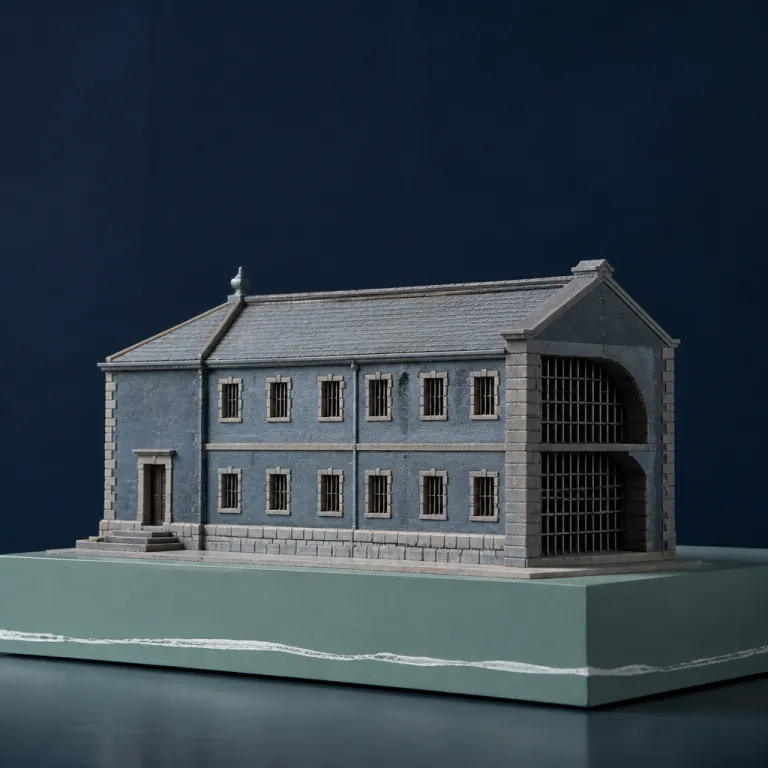
From great prison to luxury hotel in Nara, Japan
Hoshinoya Nara Prison is one of the most closely watched adaptive reuse projects in Nara, Japan, transforming a former Meiji era jail into a 48 suite luxury hotel. The original Nara Prison complex, historically grouped with Japan’s so called Five Great Prisons and now a nationally designated Important Cultural Property, was designed by Ministry of Justice architect Keijiro Yamashita with radiating cell blocks built in hand laid red brick that still define the site. Travelers booking a stay at this converted prison hotel will sleep inside walls that once enforced prison life, yet now frame a calm retreat on a roughly 25 acre campus at 18 Hannyajicho in Nara, Japan.
The operator Hoshino Resorts positions the property as both heritage landmark and contemporary retreat, and the company also manages the on site Nara Prison Museum that anchors the narrative of the building. Official material from Hoshino Resorts and the Agency for Cultural Affairs is clear about the project’s purpose, stating without embellishment that “Hoshinoya Nara Prison is a luxury hotel converted from a Meiji-era prison” and confirming its Important Cultural Property status. For design conscious guests comparing architectural conversions, this historic red brick complex sits in the same conversation as American railroad depots or European monasteries turned into room hotel experiences, yet it is often cited as the first full scale luxury hotel in Japan created from a former prison.
Architect Rie Azuma of Azuma Architect & Associates leads the renovation, while Yasui Architects & Engineers oversee conservation of the original architecture and brick walls, roles documented in Hoshino Resorts’ official communications. The Haviland System radial plan, often associated with panopticon inspired prisons Meiji authorities once favored, remains intact so the main lounge and guest circulation still follow the star shaped geometry of the old cell blocks. For travelers who care about how a building feels over time, the combination of preserved red brick, carefully lit corridors, and the quiet of Nara, Japan creates a stay where architecture is the primary amenity rather than an afterthought.
Hoshinoya Nara Prison: key facts
- Opening: June 2024 (following phased restoration of the former Nara Prison, as announced by Hoshino Resorts)
- Address: 18 Hannyajicho, Nara City, Nara Prefecture, Japan
- Rooms: 48 suites created by combining multiple former cells
- Room types: cell rhythm focused suites, courtyard view rooms, and larger corner layouts
- Indicative rates: typically from upper mid-range to high-end luxury, varying by season and suite size
- Booking: reservations handled directly through Hoshino Resorts’ official channels; check current availability and packages before you travel
Inside the cell blocks: design, ethics, and the new museum path
Step into the hotel and you immediately sense the tension between past and present, because each suite combines nine to eleven former cell units into a single generous room. The design team keeps the original cell doors, arches, and some interior walls legible, so guests understand how the cell blocks once operated as instruments of control while now functioning as calm, layered spaces for sleep and reflection. For solo travelers who like to read a building as much as a city, this is where the ethics of turning a prison into a hotel become tangible rather than theoretical.
Lighting design by the ICE Urban Environmental Lighting Institute softens the hard geometry of the building, and the way light grazes the brick walls turns former surveillance corridors into almost gallery like passages for art and quiet walking. In the main lounge, high ceilings and exposed red brick create a civic scale room where Japanese materials and contemporary furniture offset the severity of the original architecture, and the atmosphere feels closer to a museum than a conventional hotel lobby. That museum like quality is intentional, because the Nara Prison Museum sits on the same grounds and guests can follow a dedicated path from the luxury hotel into the curated prison museum exhibits that explain Meiji era penal reform and daily prison life.
One curator involved in the museum programming has described the experience as “walking through a textbook that has been carefully, respectfully brought to life,” and that sense of layered storytelling carries into the guest rooms. A recent guest echoed this in on site feedback, noting that “you feel the history in the brick, but the hospitality never lets it become overwhelming,” a comment that captures how design and ethics intersect here. For travelers planning a wider itinerary across Japan, this adaptive reuse project can be paired with other heritage stays, such as a refined historic property in Oregon profiled in this guide to an American small town hotel conversion. Both projects show how time, careful design, and respect for original materials can turn once utilitarian buildings into layered experiences. When you book, pay attention to the room category because some rooms emphasize the rhythm of former cells while others foreground views across the courtyard and the larger Nara landscape.
Opening June, Azuma’s vision, and what it means for future prisons
The June 2024 opening of Hoshinoya Nara Prison marks a new chapter for adaptive reuse in Japan, and it signals how seriously the country now treats industrial and carceral heritage as potential luxury assets. Reservations open months in advance through Hoshino Resorts, and the operator’s booking journey foregrounds both the cultural property status of the building and the practical details that travelers need, from room layouts to the privacy policy and terms and conditions that govern guest data. For design led travelers, this transparency reinforces trust and underlines that the converted prison hotel is not a themed attraction but a carefully regulated project in Nara, Japan.
Landscape architecture by On Site Planning and the work of lighting and conservation teams ensure that the outside grounds feel as considered as the inside walls, and the long axial views along the red brick facades emphasize the scale of one of Japan’s great prisons. As you walk from the main lounge to your room, the Haviland System plan reveals itself in subtle shifts of perspective, and you sense how guards once monitored multiple cell blocks from a single point while you now enjoy a calm, almost cloistered circulation route. This is adaptive reuse at its most self aware, because the architecture never lets you forget that prisons Meiji officials built for discipline now host a luxury hotel dedicated to rest and reflection.
For travelers tracking global heritage conversions, the Nara project sits alongside Rockefeller Center’s transformation in New York, explored in this analysis of a landmark office to hotel conversion. Both projects show how adaptive reuse can turn rigid typologies, whether office towers or prison buildings, into emotionally resonant stays that respect original architecture while offering contemporary comfort. Readers interested in the healing potential of such spaces can go deeper in this feature on restorative architecture in luxury hotels, which places Hoshinoya, Hoshino Resorts, and other Japanese and international projects within a broader conversation about how time, design, and context can transform even the most charged walls into places of rest.
Practical notes for booking and ethical reflection
When you consider a stay at this former prison turned luxury hotel, it helps to think through both logistics and ethics, because this is not a neutral building. On the practical side, the 48 room inventory means limited availability, so booking early through Hoshino Resorts is wise if you want specific room types that emphasize either the rhythm of former cells or the broader views across Nara, Japan. On the ethical side, questions about whether a former prison should become a luxury hotel are best addressed in one place: the on site Nara Prison Museum and interpretive materials, which foreground history, acknowledge former inmates, and explain why preservation through hospitality was chosen over demolition.
For solo explorers, the experience of walking alone along the brick walls at dusk, passing from the main lounge through the old cell blocks, can be quietly powerful. You are moving through a building that once defined prison life in the Meiji era, yet now hosts art, hospitality, and carefully calibrated lighting that softens the institutional edges without erasing the past. That duality is the point, and it is why this hotel will likely become a reference case for future conversions of prisons and other charged buildings into thoughtful, design led places to stay over time.
Travelers who value transparency should review the hotel’s privacy policy and terms and conditions as carefully as they study floor plans, because a stay in such a layered building deserves the same attention to digital and personal data as to architecture. In Nara, Japan, this converted prison hotel shows how a former place of confinement can become a setting where Japanese history, contemporary design, and the realities of modern hospitality coexist within the same red brick envelope. For many guests, that coexistence will be the lasting memory long after check out, more than any single room detail or amenity.
References
Japan National Tourism Organization ; Hoshino Resorts official communications ; Agency for Cultural Affairs, Government of Japan.