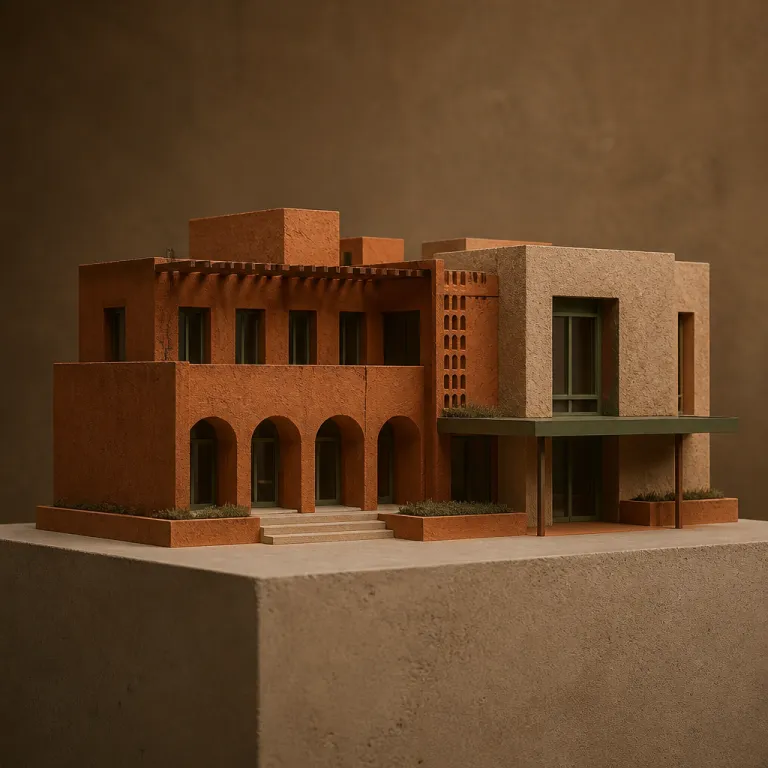
Why travelers now book architecture before brand names
In a 2023 Booking.com survey, 73% of respondents said they prefer stays that “feel unique and different from a standard hotel,” while Expedia’s 2024 Traveler Value Index reports that distinctive design and local character now outrank brand loyalty for many guests. Travelers who once filtered hotels by chain membership now filter by architecture. A new generation of independent properties shows that an expressive façade, a precise stairwell and a quietly radical lobby can outweigh any Marriott Bonvoy tier when you choose where to stay. In this independent design hotel, architecture and boutique luxury hospitality turn the building itself into the promise of experience rather than the logo on the key card.
Across major destinations, design-forward hotels led by architects rather than marketers are gaining ground with travelers who prefer boutique scale and crafted spaces. Industry commentary from Hotel Management and STR, for example, points to steady growth in independent hotel performance over the past decade, with STR’s 2022 data showing independents capturing a resilient share of upper-upscale demand, while surveys from Booking.com and Expedia regularly report that a majority of travelers actively seek unique accommodations that reflect local culture and hospitality. These findings confirm what many guests already feel instinctively during travel: they want a hotel where architecture, interior design and service form one coherent narrative.
Independent hoteliers and designers use architecture as their primary language with guests. They commission façades that echo the surrounding community, carve intimate courtyards that frame local art and specify materials that age gracefully over many guest experiences. Instead of repeating a global template, these hotels offer a spatial story that feels rooted in place, giving each guest experience a sense of authorship and each stay a clear connection to local culture.
How independent design hotels compete without chain marketing power
Independent owners rarely match the advertising budgets of global hotels such as Marriott or other large groups. They compete instead through architectural clarity, interior design precision and a guest experience that feels almost editorial in its curation. In this corner of the travel industry, an independent design hotel with strong architecture and boutique luxury positioning lives or dies on word of mouth, repeat guests and the visual power of its spaces.
Many of these boutique properties lean on adaptive reuse, turning warehouses, post offices or office towers into city hotel landmarks with strong identities. A widely cited example is the transformation of New York’s TWA Flight Center at JFK Airport into the TWA Hotel, where Eero Saarinen’s 1962 terminal was converted into a 512-room property that opened in 2019 and quickly became a design destination without traditional chain affiliation. Analyses of office-to-hotel conversions, including coverage of Rockefeller Center’s luxury repositioning, show how these properties use structure and light as their main marketing assets.
Photography plays a crucial role in translating these experiences for online travelers. Instead of generic room shots, independent hotels offer narrative imagery that follows a guest from threshold to terrace, highlighting how design shapes each experience and every stay. Guides to visual storytelling in architectural hospitality underline how powerful images can replace heavy advertising when the architecture is strong.
Spatial quality versus loyalty points: rethinking value in luxury stays
For many frequent travelers, Marriott Bonvoy points or similar schemes once defined value in luxury hotels. Independent design-driven, architecturally led boutique properties challenge that equation by offering something points cannot buy: a deeply personal relationship with space, light and local culture. When you choose an independent hotel, you often trade a free night in the future for a richer guest experience in the present.
Value here is measured in the way a corridor frames morning sun, how an intimate lounge invites conversation with the local community or how a rooftop pool aligns with a skyline rather than simply sitting above it. Families, solo explorers and design-conscious travelers increasingly prefer boutique scale because it allows staff to tailor service and guest experiences to individual rhythms. For those traveling with children, resources such as guides to traveling with children to architectural hotels and design conscious family stays show how spatial quality can make a stay both calmer and more memorable.
Independent properties also tend to integrate local materials, art and destinations art programming more deeply into their design. This creates a layered experience where every surface, from stone floors to custom headboards, tells part of the story of the place and its culture. When travelers compare hotels, many now weigh this architectural and cultural immersion against the arithmetic of loyalty schemes, often deciding that a singular stay beats incremental points.
Design awards and architectural credibility for independent hotels
In a crowded travel industry, design awards act as a form of shorthand for quality, especially for independent hotels. When a property appears on the Prix Versailles list or wins a Hospitality Design award, travelers gain an external validation of its architectural ambition and interior design execution. For an independent design hotel with strong architecture and boutique luxury aspirations, such recognition can substitute for the brand reassurance that chains provide.
Recent Prix Versailles selections such as Kasbah d’If in Morocco or The ArcadiaPlace in China illustrate how independent properties can stand alongside major brands on a global stage. These hotels offer guests a synthesis of architecture, landscape and service that feels inseparable from their locations and local culture. For travelers who prefer boutique scale, such awards signal that the hotel’s design has been evaluated by experts, not just marketed through glossy photos.
Industry research and award juries support this shift toward design-led evaluation. Analysts note that independent hotels often surpass brands in design innovation, with objectives that include offering unique guest experiences, reflecting local culture and enhancing competitiveness. As one expert summary puts it, “They offer unique, authentic experiences.”
How to evaluate an independent architectural hotel before you book
Choosing an independent hotel without a familiar brand can feel risky at first glance. A more architectural way to evaluate these hotels is to read their plans in photographs, floor layouts and guest reviews, looking for evidence of coherent design rather than just amenity lists. In the independent design hotel and boutique luxury segment, the best properties reveal their priorities clearly through how they present space.
Start with the public areas, because they shape most guest experiences and define the hotel’s hospitality philosophy. Look for images of the lobby, circulation routes and any destinations art installations, checking whether these spaces feel generous, legible and connected to the local community. A strong city hotel will show how its ground floor engages the street, how its restaurants connect to local culture and how its interior design choices echo the surrounding architecture.
Next, read guest reviews with an eye for spatial comments rather than only service notes. When travelers mention natural light, acoustic comfort, intuitive layouts or a strong connection to the local neighborhood, they are indirectly reviewing the architecture and design. Pay attention to how often guests describe their stay as an experience in itself, not just a place to sleep, because that language usually signals a hotel where architecture truly outgrows the brand.
How architecture first thinking reshapes hospitality economics
When independent hoteliers lead with architecture, they change the economic logic of hospitality. Instead of paying for a franchise flag and standardized design package, they invest in distinctive buildings, custom interiors and collaborations with local artisans. This independent, design-led boutique luxury approach can raise upfront costs, yet it often delivers stronger long-term loyalty and pricing power.
Adaptive reuse projects illustrate this shift clearly, especially in dense urban markets where land is scarce and expensive. Converting existing structures into hotels allows owners to create one-of-a-kind guest experiences while preserving embodied carbon and neighborhood character. As Propmodo and similar real estate analyses have noted, such adaptive reuse properties are driving a higher density of design-focused hotels in many United States cities, giving travelers more independent options.
Pipeline commentary from CoStar and other development trackers shows thousands of new luxury rooms planned in cities like New York and London, with an increasing share allocated to independent or soft-branded properties. Hospitality Design’s development outlook highlights how investors now favor design-first thinking over brand-first replication, betting that travelers will pay for architecture, local culture and authentic experiences. For guests, this means more hotels where the staircase, the light and the spatial intention matter more than the logo on the door.
Key figures shaping independent architectural hospitality
- Independent hotel performance has strengthened over the past decade, with Hotel Management and STR reporting resilient market share for non-branded properties in the upper tier of the travel industry.
- Luxury travel surveys from sources such as Luxury Travel Magazine and Booking.com regularly find that a majority of travelers now prefer unique accommodations, which strongly supports the rise of independent, design-led boutique stays over standardized chain offerings.
- Development data discussed by CoStar indicates that cities like New York and London have several thousand luxury rooms in the pipeline, with an expanding proportion dedicated to independent or design-led hotels rather than traditional brands.
- Trend reports from Hotels.com and Expedia highlight “salvaged stays” in architecturally characterful properties as a leading travel trend, with strong year-on-year search growth for adaptive reuse hotels.
- Industry analysis from Hospitality Design shows investors increasingly prioritizing design-first strategies, which aligns with the growing number of independent hotels winning major awards such as Prix Versailles.
FAQ: independent architectural hotels and design led stays
Why are independent hotels gaining popularity among design conscious travelers ?
Independent hotels are gaining popularity because they offer unique, authentic experiences that large chains rarely match. They emphasize architecture, interior design and local culture, creating guest experiences that feel specific to their neighborhoods rather than interchangeable. For travelers who value character and a strong sense of place, this combination is more compelling than standardized rooms and predictable layouts.
How do independent hotels differ from chain properties in daily guest experience ?
Independent hotels differ from chains by prioritizing personalized service, intimate scale and a closer connection to the local community. Staff often know repeat guests by name, public spaces are designed for interaction rather than throughput and the interior design reflects regional materials or destinations art collaborations. This creates a guest experience where every stay feels curated rather than scripted.
What should I look for when choosing an independent architectural hotel ?
When choosing an independent architectural hotel, focus on how the property uses space, light and materials rather than only on amenities. Look for evidence of thoughtful design in public areas, a clear relationship with local culture and consistent praise for comfort and atmosphere in guest reviews. Awards, design press coverage and collaborations with respected architects or designers are also strong quality signals.
Are independent design hotels suitable for families and longer stays ?
Many independent design hotels are well suited to families and longer stays, especially those that integrate flexible room layouts, generous communal areas and calm acoustic design. Parents often appreciate properties where circulation is intuitive and public spaces feel safe yet stimulating for children. Checking floor plans, room sizes and family focused reviews will help you match the hotel’s architecture to your specific needs.
How do independent hotels reflect local culture more effectively than chains ?
Independent hotels often work closely with local artisans, designers and community organizations to embed regional culture into their architecture and interiors. They commission site specific art, use local materials and program events that connect guests with neighborhood life. This approach turns the hotel into a living extension of the city or landscape rather than an isolated enclave.