From visual luxury to tactile emotionalism in hotel design
For years, luxury hotel design revolved around the shot, not the stay. The marble lobby, the sculptural staircase and the rooftop infinity pool were calibrated so people could frame the perfect view for social media. This visual luxury era treated hospitality as a stage set, where the guest experience often felt secondary to the camera’s gaze.
That aesthetic-first mindset is now giving way to a more tactile, emotionally driven approach to hotel design, a movement where spaces are created to be felt before they are photographed. Hotel designers and operators are shifting their hospitality strategies toward guest well-being, using architecture and interiors to create an emotional connection that lasts beyond checkout. A 2023 Hospitality Net review of wellness-focused properties (Hospitality Net, “Wellness Hospitality: Trends and Opportunities”, March 2023) notes that hotels integrating biophilic design and sensory comfort report double-digit gains in guest satisfaction scores, and that shift is reshaping what comfort means in premium spaces.
Visual spectacle has not disappeared, but it is no longer the main sign of luxury in a hotel. The new benchmark is how a space feels at 06.00 when a jet-lagged guest pads barefoot across brushed stone, or how natural light softens limewash walls in a quiet corridor. In this context, tactile, emotion-led hotel design becomes a kind of guiding philosophy, where every material, sound and scent is chosen to create a sense of place rather than a single hero image.
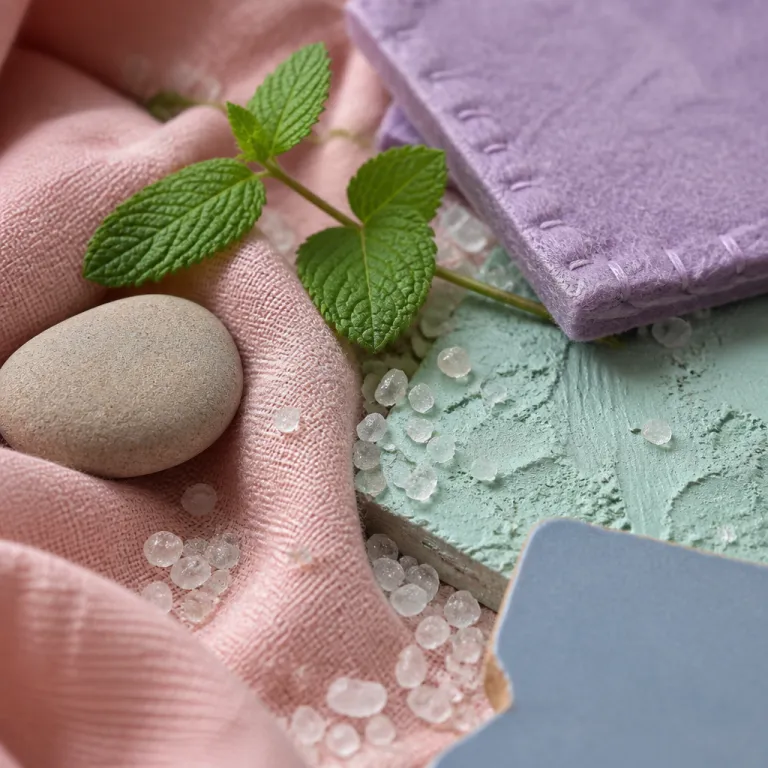
Design trends in hospitality now prioritise materials that age gracefully and carry a human touch. Limewash walls, hand-finished plaster, aged timber and handmade ceramic tiles give each interior a subtle texture that the camera cannot fully capture. These materials help a space feel intentional, grounding guests in the present moment and creating moments that feel both intimate and future-ready.
For travellers booking through a luxury and premium architectural hotel platform, this shift changes how you read a property. Instead of scanning only for a rooftop pool or a dramatic lobby, you start looking for signs of biophilic design, acoustic care and layered lighting. This more tactile, emotionally attuned approach invites guests to ask a different question when choosing a hotel space: not “How will this look?” but “How will this feel over three nights of real living?”.
Why the camera first hotel is losing its grip
The old visual luxury formula was simple and repeatable across continents. A hotel would invest in a statement chandelier, a glossy lobby bar and a rooftop deck with a panoramic view, then rely on those images to drive bookings. For a while, guests accepted the gap between the photograph and the lived experience, but fatigue has set in as spaces began to blur into one another.
Travellers now arrive at a highly photographed hotel and notice the space feels echoey, over-lit or strangely cold. The marble may shine, yet the guest experience can feel generic, with little emotional connection to the city outside or the landscape beyond. When every corridor smells the same and every room uses the same hard surfaces, people sense that the design was driven more by brand guidelines than by human comfort.
Research in hospitality shows that hotels prioritising wellness-focused design see both higher guest loyalty and better reviews. A 2022 Cornell Center for Hospitality Research paper on “wellness in lodging” (Cornell Hospitality Reports, Vol. 22, No. 4, 2022) notes that properties with nature-integrated interiors and enhanced sleep environments can see up to a 15% uplift in review scores. Industry summaries highlight “biophilic design”, “use of natural materials” and “focus on sensory experiences” as central to successful hospitality design. These methods are not abstract trends; they translate into quieter rooms, softer acoustics and spaces where natural light and shadow are treated as core materials.
Couples planning a romantic stay in the Virgin Islands, for example, are increasingly wary of properties that look perfect in drone footage but lack intimacy at ground level. They want spaces that support slow mornings, private corners and a sense of place that feels rooted in the island’s climate and culture. On a booking page, that means reading beyond the hero image and scanning for clues about materials, lighting and how the space feels after dark.
As you compare hotels on an architectural-focused platform, pay attention to how they describe their interior design and guest experience. Vague references to “Instagram-worthy spaces” without detail on acoustics, natural materials or biophilic design can be a red flag. For families or couples who care about design-conscious stays, guides on topics such as traveling with children to architectural hotels show how thoughtful space planning and sensory comfort now matter more than theatrical lobbies.
The materials and light that make space feel intentional
In this new wave of tactile emotionalism in hotel design, materials are not decoration; they are the narrative. Limewash walls diffuse natural light, creating a soft, shifting glow that calms the nervous system rather than bouncing glare into your eyes. Aged timber underfoot, brushed stone in the bathroom and hand-glazed ceramics on the bedside table all contribute to a space that feels grounded and quietly luxurious.
Hotel designers and operators now work closely with local artisans, wellness consultants and sustainability experts to select materials that support both comfort and longevity. Firms such as WATG and Wimberly Interiors, for instance, highlight “authentic materiality” and “resonant textures” in their hospitality forecasts, favouring surfaces that patinate over time and record traces of guest experience rather than fighting every mark. When you run your hand along a slightly irregular plaster wall or feel the grain of a timber headboard, you sense that the space was created for touch, not just for the lens.
Lighting has become a central tool in hospitality design, treated with the same seriousness as furniture or art. Advanced lighting systems allow a room to shift from bright, functional light in the morning to warm, cocooning tones at night, so the space feels different across the day. Hotels that embrace this sensory-first approach often describe layered lighting, dimmable fixtures and attention to how natural light enters each room. Properties such as Six Senses Douro Valley or Aman Tokyo are frequently cited in design press for using light as a wellness tool rather than a purely decorative element.
Acoustics are equally important, especially for couples seeking quiet retreats in dense cities or coastal resorts. Thoughtful design uses textiles, wall treatments and spatial planning to soften noise from corridors, elevators and neighbouring rooms. When a hotel speaks about acoustic enhancements or curated soundscapes, it signals a commitment to creating moments of calm rather than just visual drama.
For travellers reading between the lines, these details are powerful signposts. Look for mentions of biophilic design, connection to nature and sensory experiences in the property description, not just in the marketing slogans. Frameworks such as the choreographed hotel approach to guest centred design show how future-ready hotels choreograph light, sound and touch so that every space feels intentional, from the lobby to the most modest corridor.
How to read a hotel listing through a sensory lens
When you browse a luxury architectural hotel online, the first images will still be beautiful. The difference now is that you should treat them as an entry point, then interrogate how the hotel design supports your body over a full stay. A sensory-led, tactile approach gives you a checklist that goes beyond aesthetics and into how the space will actually feel.
Start with the language used to describe the interior design and public spaces. Does the hotel talk about natural light patterns, cross-ventilation, textures and materials, or does it rely on generic phrases about style and glamour? Specific references to limewash, timber, stone, handmade tiles or biophilic design suggest that the interior was planned as a sensory environment, not just a backdrop.
Next, look for evidence of spaces that respond to the local climate and landscape. A property in the Virgin Islands, for instance, should mention shading, breezeways, outdoor showers or verandas that frame the view while maintaining comfort. When a hotel explains how its architecture creates a connection to nature, you can expect a stronger sense of place and a guest experience that feels more rooted.
Pay attention to how the hotel describes its rooms and suites, not only its lobby or pool. Are there references to acoustic insulation, blackout curtains, adjustable lighting and tactile materials around the bed where the guest spends the most time? These details indicate a deliberate design process focused on creating moments of rest and intimacy, rather than just one photogenic space that feels impressive on arrival.
Finally, read guest reviews with a sensory filter. Comments about how the space feels — quiet, calm, warm, echoey, harsh — are more revealing than praise for a single design feature. For deeper context on how restorative architecture shapes comfort, resources such as this analysis of the hotel as healer show how future-ready properties use hospitality design to support sleep, recovery and emotional connection, rather than just visual impact.
What this shift means for couples booking architectural stays
For design-conscious couples, this move toward tactile emotionalism in hotel design changes how you define romance. Instead of chasing the most dramatic rooftop bar, you might prioritise a room where the morning light falls softly across limewash walls and the only sound is distant city life filtered through good acoustic design. The most memorable guest experience often comes from a space that feels like a private world, not a stage.
When you filter hotels on a premium booking website, consider how each property frames its hospitality story. Does it emphasise spaces for slow breakfasts, long baths and unhurried evenings, or does it lean heavily on nightlife and spectacle? A hotel that speaks about emotional connection, sense of place and connection to nature is more likely to deliver comfort that lasts beyond the first impression.
Couples travelling to destinations such as the Virgin Islands can use these cues to choose between visually similar options. One hotel might highlight its infinity pool and lobby sculpture, while another explains how its architecture channels breezes, filters natural light and uses local materials to make each space feel intentional. The second option is more aligned with future-ready hospitality design, where carefully considered choices support both romance and rest.
This shift also empowers guests to ask better questions before booking. You can contact the hotel to ask about materials in the rooms, lighting controls, acoustic treatments and how the interior design responds to the local environment. Hotels that embrace a sensory-first, tactile approach will usually have clear, confident answers, because these elements are central to their concept rather than afterthoughts.
As more properties adopt wellness-focused design, the gap between camera-first and body-first hotels will become easier to spot. Travellers who value sensory depth, biophilic design and authentic comfort will gravitate toward spaces where every corridor, stair and terrace has been choreographed for how the space feels, not just how it looks. In that world, the most powerful sign of luxury is not the photograph you take home, but the way your body remembers the stay.
FAQ
What is biophilic design in hotels?
Biophilic design in hotels means incorporating natural elements such as plants, daylight, water, natural materials and views of landscape into interior spaces. The goal is to enhance guest well-being by creating a stronger connection to nature within the built environment, an approach supported by multiple Hospitality Net and WELL Building Standard case studies.
Why are hotels shifting focus from aesthetics to wellness?
Hotels are shifting from pure aesthetics toward wellness because guests increasingly value how a space feels over how it photographs. Operators have seen that wellness-focused hospitality design improves sleep quality, reduces stress and encourages longer stays, which in turn strengthens loyalty and revenue, as highlighted in recent reports from Hospitality Net and the Global Wellness Institute.
How does sensory design improve the guest experience?
Sensory design improves the guest experience by engaging sight, sound, touch, smell and even temperature in a coordinated way. When lighting, acoustics, materials and scent are aligned, the space feels more coherent and calming, which guests often describe as a sense of effortless comfort and a more memorable stay.
How can I tell if a hotel uses tactile emotionalism in its design?
You can often identify this tactile, emotion-centred approach by reading how the hotel describes its interiors and by studying guest reviews. Look for references to natural materials, layered lighting, acoustic care, biophilic design and a strong sense of place rather than just bold visual statements. Reviews that mention how the space feels over time — calm, cocooning, restorative — are strong indicators that the design prioritises the body, not only the camera.
Are visually striking hotels always less comfortable?
Visually striking hotels are not automatically less comfortable, but problems arise when spectacle overrides human-centred design. Some properties successfully combine strong architecture with tactile materials, good acoustics and thoughtful lighting, delivering both impact and comfort. The key is whether the hotel’s design decisions support everyday rituals such as sleeping, bathing and relaxing, rather than just creating a single dramatic photograph.
References
Hospitality Net – global hospitality design and wellness-focused hotel data, including case studies on biophilic and sensory-led properties (for example, “Wellness Hospitality: Trends and Opportunities”, March 2023).
WATG / Wimberly Interiors – hospitality design forecasts on authenticity, resonance and resilience in luxury and lifestyle hotels, including commentary on “authentic materiality” in their 2023 trend outlook.
Domkapa – analysis of interior design trends related to tactile emotionalism, materiality and the use of handcrafted finishes in contemporary hospitality, summarised in their 2022 design insights report.