Hotel palacio bellas artes san sebastian architecture as living stage
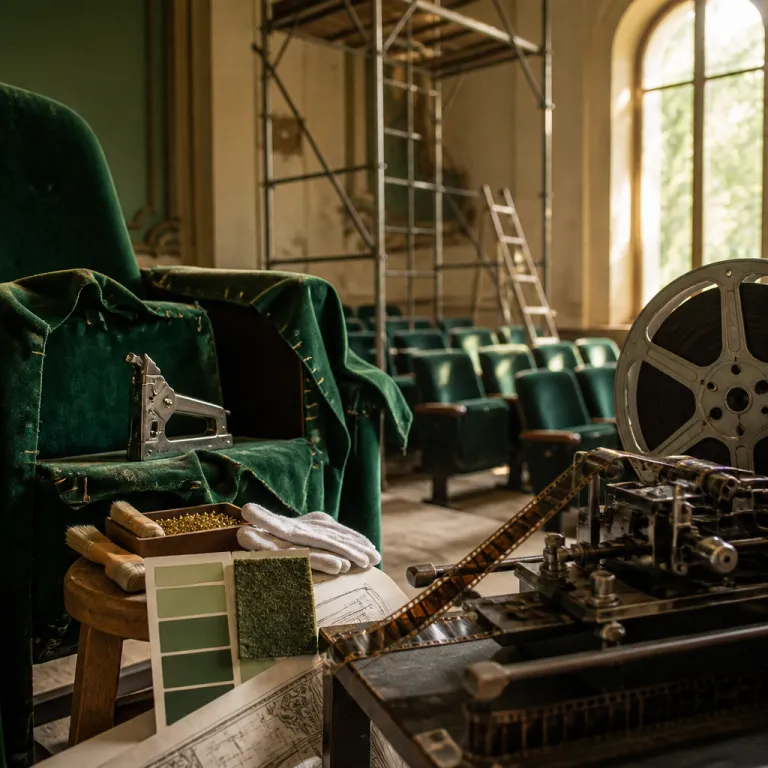
The former Teatro Bellas Artes in San Sebastián has reopened as Hotel Palacio Bellas Artes, a Hilton Curio Collection property where the architecture still behaves like a stage set. Guests now enter the hotel through the original theatre stage, passing beneath the preserved proscenium arch, so the first spatial sequence feels closer to performance than to conventional lobby design. For travelers choosing a hotel in san Sebastián, this cinematic heritage is not a marketing sign but a tangible experience that begins before you even reach your room.
Originally designed by architect Ramón Cortázar, the beaux arts building has been meticulously restored, with Hilton and its Curio Collection by Hilton brand using historical research to guide every intervention. Architect Ignacio Quemada rebuilt the emblematic dome, reinforcing the palacio silhouette on Calle Urbieta and anchoring the hotel palacio within the city’s evolving skyline of civic art and religious spires. From the street, the façade’s bellas artes ornamentation and artes san reliefs read almost like a period photo, yet the lighting and glazing quietly signal a contemporary room hotel hidden behind the masonry.
Inside, the hotel palacio bellas artes san sebastian architecture keeps the volume of the original cinema intact, so circulation follows theatrical logic rather than standard hotel corridors. Long axial views recall the auditorium, while cross passages frame curated art from a new collection that references both film stills and stage sets. For couples booking rooms here, the building itself becomes individually remarkable, turning every walk from dining spaces to rooms into a slow reveal of cinematic heritage rather than a neutral transition.
Interior designer Isabel López Vilalta of Vilalta Asociados has leaned into this theatrical DNA, naming room categories after gallery, amphitheatre and grand stalls rather than generic room types. Each room and suite is treated as a small architectural set, with layered lighting and rich textiles that echo the original palacio bellas balconies and their curved lines. The result is a room hotel experience where the design vocabulary of a historic theatre is translated into quiet, residential comfort for guests who value architecture as much as amenities.
Artist Lander Andonegi extends this narrative with 81 site specific works, one for each of the 81 rooms, turning every key into a portal to a different fragment of the building’s cinematic heritage. For architecture focused travelers, this curated collection functions almost like a private gallery, rewarding those who book multiple rooms for a group stay or return visits. The hotel palacio bellas artes san sebastian architecture therefore operates as both accommodation and evolving art collection, with each room photo and corridor vignette reinforcing the story of a cinema reborn as a cultural institution.
Compared with other adaptive reuse projects in Europe, the San Sebastián Curio property stands apart because it began as a performing arts venue rather than an office or warehouse. Where office to hotel conversions, such as the Rockefeller Center luxury transformation in New York, must carve intimacy from deep floorplates, this former cinema already offered a clear hierarchy of stage, stalls and gallery that naturally suits layered public and private hotel spaces. For guests, that means the building’s original curves and volumes guide you intuitively from the public press of the lobby to the quiet of upper rooms, without the disorientation common in more generic conversions.
From beaux arts dome to hotel lotu: architecture meets gastronomy
The most striking gesture in the hotel palacio bellas artes san sebastian architecture is the rebuilt dome, which Ignacio Quemada has reinterpreted as a luminous lantern for the city. By day, this beaux arts inspired volume crowns the palacio like a sculpted cloud, while at night it glows softly above san Sebastián’s grid, acting as a subtle sign for returning guests. Couples walking back from the Old Town can literally navigate by this dome, using the building as both landmark and promise of a quiet room waiting above the streets.
Inside, Isabel López Vilalta and her studio López Vilalta Arquitectos have treated the dome and upper levels as a sequence of calm, light filled rooms that contrast with the darker, more theatrical lower floors. Materials shift from stone and velvet near the former stalls to lighter woods and textiles in the higher rooms, so the vertical journey through the hotel palacio feels like moving from backstage to skybox. This careful design choreography reinforces the idea that the hotel palacio bellas artes san sebastian architecture is not static heritage but a living performance of light, sound and texture.
Culinary architecture plays an equally important role, with chef Andoni Luis Aduriz leading the hotel’s signature restaurant Lotu, named for the Basque word meaning “to tie”. The restaurant Lotu occupies the former theatre box, now opened across two floors, so diners sit where audiences once watched silent films, surrounded by restored bellas artes details and contemporary art. For guests, this creates a dining room that feels both intimate and vertiginous, with double height volumes framing each table like a small stage where chef Andoni’s plates become the main act.
Andoni Luis Aduriz, known globally for his work at Mugaritz, brings a precise, experimental approach to Lotu that mirrors the building’s own balance of heritage and innovation. Here, the menu ties local produce to international techniques, echoing how the curio collection by Hilton concept ties global standards to individually remarkable buildings. Couples booking a stay can plan an entire evening within the palacio bellas, moving from a pre dinner drink beneath the dome to a long tasting menu in Lotu, then back to their room without ever leaving the cinematic envelope of the building.
The hotel’s public areas extend this interplay between architecture and gastronomy, with bar counters aligned along original circulation axes and lounge seating arranged like theatre boxes overlooking the main volume. Every dining space has been positioned to respect the building’s original sightlines, so even a casual breakfast feels anchored in the cinema’s historic geometry. For design conscious travelers, these details matter more than a long amenity list, because they show how the hotel palacio bellas artes san sebastian architecture has been allowed to lead the hospitality concept rather than the other way around.
Compared with other cultural conversions, such as the shift from office towers to hotels explored in this analysis of Rockefeller Center’s luxury conversion, the San Sebastián project demonstrates what performing arts buildings uniquely offer hospitality. Theatres arrive with built in drama, clear acoustical strategies and a natural layering of public and private zones, all of which translate elegantly into hotel lobbies, bars and rooms. That means guests at Hotel Palacio Bellas Artes experience a kind of spatial storytelling that warehouse or office conversions often struggle to achieve, because the original building was always meant to host audiences and frame performances.
Curio collection, cinematic heritage and what it means for future stays
As part of the Curio Collection by Hilton, Hotel Palacio Bellas Artes positions itself within a portfolio of properties selected for their strong architectural identities. Here, the curio label is not a loose marketing term but a framework that allows Hilton to operate a full service hotel while preserving the building’s cinematic heritage. Travelers loyal to Hilton Honors can therefore earn points in san Sebastián without sacrificing the sense of staying in an independently minded palacio rooted in local art and history.
The hotel palacio bellas artes san sebastian architecture also signals a broader shift in how global brands treat heritage buildings, moving from surface level décor to deep structural respect. Historical research, collaboration with local artisans and integration of contemporary art have all been used as tools to keep the beaux arts shell relevant for modern guests. For couples planning a European itinerary focused on architectural hotels, this project sits comfortably alongside other heritage led conversions such as the dual palace Six Senses Lisbon development, where two historic buildings are tied together under a single sustainable design vision.
Every stay here reinforces the idea of the hotel as cultural institution, from the curated art collection to the way staff narrate the building’s past as one of Spain’s earliest cinemas. The official FAQ captures this succinctly with the line : “What was the building's original purpose? It was one of Spain's earliest cinemas.” For guests, that simple comment becomes a lens through which every corridor, stair and room photo is read, turning a night’s stay into an informal lesson in san Sebastián’s urban history.
Practical details support this cultural positioning, with 81 rooms matching the 81 works by Lander Andonegi, so each room number corresponds to a unique piece in the collection. Couples can request specific rooms based on preferred artworks or views, treating the reservation process almost like selecting seats in a theatre rather than simply choosing a room category. For those traveling with children to architectural hotels, resources such as this guide to design conscious family stays can help frame the visit as an engaging, educational experience rather than a purely adult oriented escape.
The project’s success also rests on how clearly it communicates its identity to the market, from press photography that highlights the dome and stage entrance to guest facing materials that explain the role of Isabel López Vilalta, Ignacio Quemada and chef Andoni in shaping the experience. When travelers browse a photo collection before booking, they see not just styled rooms but the continuity between the original building and today’s hotel lotu restaurant, bar and public spaces. That transparency builds trust, especially for mid to high budget couples who expect the reality of their room hotel to match the narrative promised online.
Looking ahead, Hotel Palacio Bellas Artes in san Sebastián offers a template for how other cities might convert disused cinemas and theatres into hotels without erasing their past lives. By allowing the palacio bellas structure, the bellas artes ornament and the artes san cultural context to remain visible, Hilton and its partners have created a property that feels both globally connected and deeply local. For travelers, that means every stay here is individually remarkable, not because of novelty for its own sake, but because the architecture itself continues to perform long after the final film reel stopped turning.