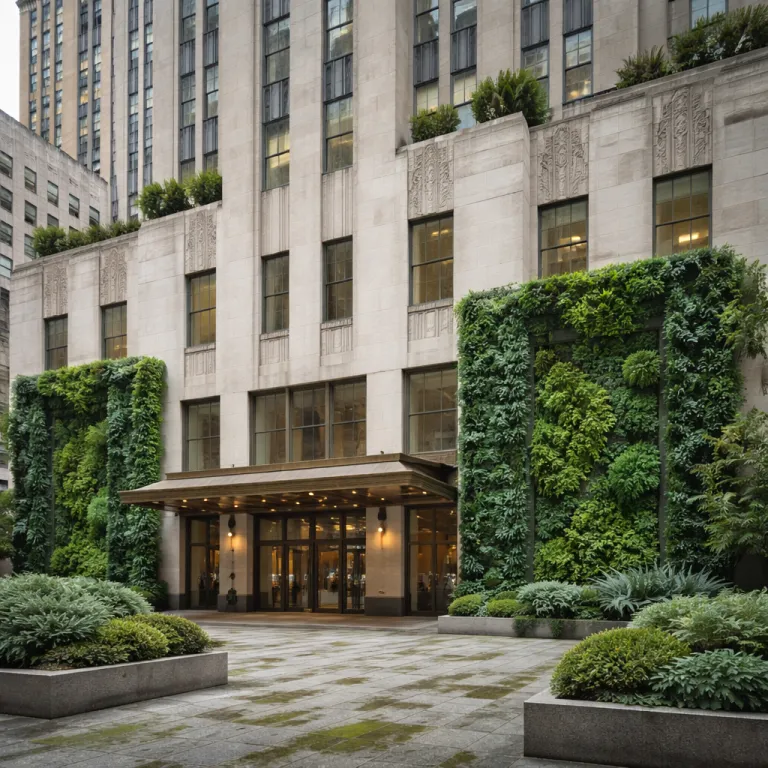
Rockefeller Center hotel conversion in New York: why this project matters
The Rockefeller Center hotel conversion in New York is not just another opening. It signals a shift in how a dense city like New York City treats its most symbolic office buildings and their vacant office floors. For design minded couples, this future luxury hotel above the NBC studios at Rockefeller Plaza quietly rewrites what a stay in Midtown Manhattan can feel like.
At 10 Rockefeller Plaza, Aspen Hospitality and Tishman Speyer plan to transform ten levels of office space into around 130 rooms and suites. The project sits within Rockefeller Center itself, a landmark ensemble where every office tower, plaza and passage already choreographs light, views and movement. Turning part of this Manhattan Rockefeller complex into a hotel experience means inserting hospitality into the daily theatre of news broadcasts, office workers and visitors crossing the center all day.
This adaptive reuse responds directly to a post pandemic landscape where office vacancy in Midtown Manhattan has climbed and long term office space demand has softened. According to brokerage reports, availability in the submarket has hovered in the high teens to low twenties as a percentage of total inventory, leaving many floors partially used or empty. Instead of leaving vacant office floors dark above the Today show, the hotel will bring guests into the vertical life of the city. For couples choosing a luxury hotel in New York City, that means waking up inside a living piece of real estate history rather than beside it.
How office towers become hotels: from vacant office to vertical retreat
Office to hotel conversions differ fundamentally from turning a warehouse or palace into a place to stay. A typical office building in Midtown Manhattan was designed for deep floor plates, repetitive office floors and efficient office space, not for layered hospitality experiences. The Rockefeller Center hotel conversion in New York must therefore carve intimacy and sequence out of a structure optimised for fluorescent light and cubicles.
In this case, the future hotel will occupy ten levels above the NBC news and events studios, where ceiling heights, column grids and existing cores already fix many decisions. Architects working with Aspen Hospitality and Tishman Speyer need to thread guest rooms, corridors and shared spaces through an office skeleton while preserving the clarity of Rockefeller Plaza below. That means some rooms will stretch along the façade with cinematic views of Times Square, Fifth Avenue or the wider New York City skyline, while others tuck deeper into the plan with crafted lighting and acoustic control.
For couples planning a romantic stay, the key question is how those former office floors translate into room proportions and privacy. Deep office plates can yield generous suites with separate living zones, but they can also create long internal corridors if city planning rules and the special permit conditions limit changes to the envelope. When you compare options for a heritage stay, guides on how to book luxury heritage hotels for an exceptional travel experience can help you read between the lines of such adaptive reuse projects. In the best cases, an office to hotel conversion turns leftover office buildings into vertical retreats where the city hums outside while your room feels quietly insulated.
Inside the Rockefeller Center project: architecture, planning and guest experience
The Rockefeller Center hotel conversion in New York unfolds within one of the most choreographed pieces of urban real estate on the planet. Rockefeller Center is not a single tower but a campus of office buildings, plazas and passages, all managed by Tishman Speyer with a long view on value and public life. Introducing a luxury hotel into this center means negotiating not only structure and services, but also city planning, special permit requirements and the daily choreography of workers and visitors.
The planned hotel levels sit above the Today show studios, where live news and events already animate the plaza from early morning. Guests will look down onto Rockefeller Plaza, across to other Manhattan Rockefeller towers and out toward Times Square, effectively inhabiting the backdrop they usually see on screen. That proximity to broadcast culture means soundproofing, privacy and controlled access become as important as thread count and minibar curation.
From a regulatory perspective, converting office space into hotel floors in New York City involves a web of approvals, including coordination with the City of New York and its city planning teams. In 2022, Aspen Hospitality and Tishman Speyer announced plans for the 10 Rockefeller Plaza hotel, followed by design development and filings with city agencies; public records show applications moving through the permit process, with opening targeted later in the decade. Company statements describe a goal to “bring a new kind of guest experience to one of the world’s most recognizable addresses” while respecting the center’s history, a theme echoed in coverage by major outlets such as The Wall Street Journal and The New York Times. For travelers curious about why adaptive reuse matters, in depth pieces on why the best new hotels honor their past instead of erasing it offer useful context for understanding this particular Rockefeller Center hotel conversion in New York.
Economics of office to hotel conversions in New York City
The Rockefeller Center hotel conversion in New York sits within a broader economic story about office demand and hospitality appetite. Midtown Manhattan has seen office vacancy rates rise into the high teens, leaving many floors of office space underused while travelers still seek well located luxury hotel options. Converting a vacant office into a hotel will not solve every structural issue in the New York City real estate market, but it can rebalance a single tower’s mix of uses.
For owners like Tishman Speyer, an office to hotel strategy at Rockefeller Center spreads risk across different revenue streams. Office tenants may shrink their footprints, yet a carefully positioned hotel project can capture both business and leisure demand drawn to the center’s address. Aspen Hospitality, already known for The Little Nell in Aspen, brings operational expertise that helps make the numbers work on a relatively compact stack of hotel floors.
Industry data shows that office to hotel conversions have accelerated as developers search for new uses for older office buildings. Analysts have tracked dozens of such projects since the middle of the last decade, with adaptive reuse now a mainstream hospitality strategy rather than a niche experiment. As one industry overview told The Wall Street Journal and other outlets, “Why convert offices to hotels? To repurpose underutilized space and meet hospitality demand.”
Why design conscious couples should watch the Rockefeller Center conversion
For couples who choose destinations through architecture, the Rockefeller Center hotel conversion in New York offers a front row seat to a new hospitality typology. This is not a remote resort or a freestanding tower, but a luxury hotel woven into the daily fabric of Rockefeller Center and Midtown Manhattan. Staying here means sharing lifts with office workers, crossing Rockefeller Plaza on the way to dinner and watching the city reset itself each morning from high above the news cameras.
Architecturally, the interest lies in how designers soften the rational grid of an office building into a sequence of intimate spaces. Expect long views down corridors where the city flickers at the end, and rooms where the depth of the original office plate allows for layered living, working and sleeping zones. For guests, the pleasure comes from those in between moments, not the lobby Instagram, but the corridor where the concrete breathes and the light changes every hour.
As Aspen Hospitality translates its experience from The Little Nell in Aspen to a vertical urban context, couples can anticipate a hospitality language that respects both place and privacy. The Rockefeller Center hotel conversion in New York will likely foreground views of Times Square, St Patrick’s Cathedral and the wider New York City skyline while insulating rooms from the plaza’s constant events. If you care about how photography and spatial storytelling shape your stay, it is worth reading about how curated hotel photos elevate your stay in architectural luxury hotels before you book.
FAQ
When will the Rockefeller Center hotel open and how many rooms will it have ?
The Rockefeller Center hotel conversion in New York is planned as a 130 room luxury hotel occupying ten former office floors above the NBC studios at 10 Rockefeller Plaza. Public announcements by Aspen Hospitality and Tishman Speyer describe a multi year process of design, approvals and construction, with opening anticipated later this decade rather than on a fixed near term date. Travelers interested in staying should plan to book early once reservations open, as demand for such a centrally located property in Midtown Manhattan is expected to be strong.
Who is behind the Rockefeller Center office to hotel conversion ?
The project is led by Aspen Hospitality as the hotel developer, working in partnership with Tishman Speyer, which manages Rockefeller Center and its surrounding office buildings. Aspen Hospitality brings experience from operating The Little Nell in Aspen, while Tishman Speyer contributes deep knowledge of the center’s real estate, office space and public realm. Together they coordinate with the City of New York and other partners to navigate city planning and any required special permit processes.
How is an office to hotel conversion different from other adaptive reuse hotels ?
Converting an office into a hotel differs from transforming a warehouse or historic palace because the original structure was optimised for repetitive office floors and deep floor plates. Architects working on the Rockefeller Center hotel conversion in New York must adapt existing cores, column grids and façades to create comfortable rooms, efficient circulation and compelling shared spaces. This often results in inventive layouts, long view corridors and suites that take advantage of the depth of the former office space.
What will staying at the Rockefeller Center hotel feel like for couples ?
Couples can expect a stay that is deeply urban, with the energy of Rockefeller Plaza, nearby Times Square and the wider New York City streetscape always present just outside. Inside, the aim of the design is to create a calm, layered retreat that softens the rational geometry of an office building into warm, acoustically controlled rooms and suites. The contrast between the city’s constant news and events outside and the quiet vertical refuge inside should be a defining part of the experience.
Is the Rockefeller Center conversion part of a wider trend in New York City ?
Yes, the Rockefeller Center hotel conversion in New York forms part of a broader movement where owners repurpose underused office buildings into hotels and other uses. Rising office vacancy in Midtown Manhattan and sustained demand for well located luxury hotel options encourage real estate players like Tishman Speyer to rethink single use office towers. For travelers, this trend means more opportunities to stay inside architecturally significant buildings that once housed only offices.