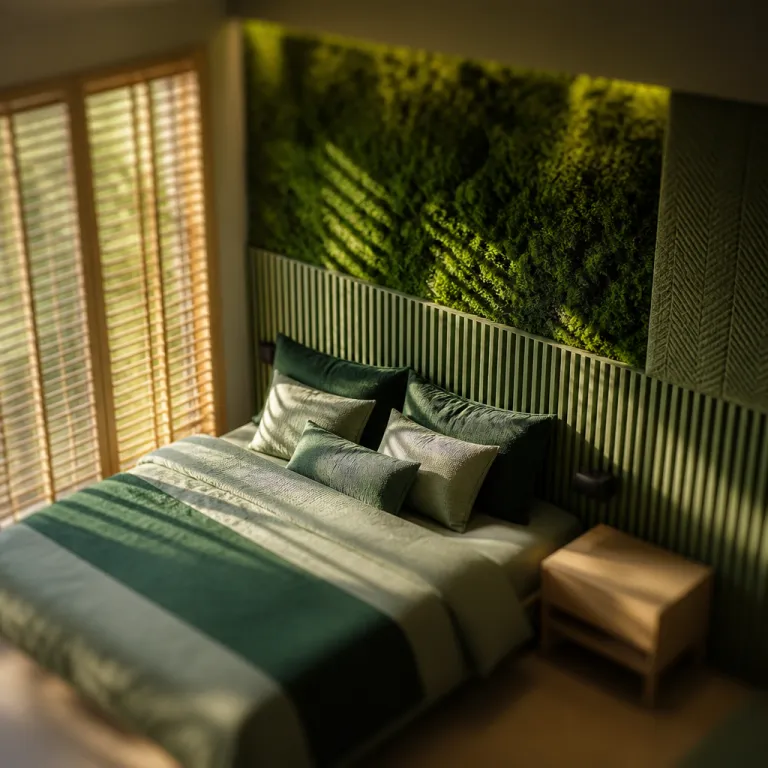
From blackout curtains to circadian hotel architecture
Most luxury travelers now expect blackout curtains and quiet corridors in any serious hotel. The new frontier is circadian-responsive hotel architecture, where the entire building is orchestrated around your internal clock and not just around décor. In these properties, lighting, acoustics and materials are choreographed so that every guest moves through spaces that quietly support sleep, daytime alertness and long term wellbeing.
Circadian architecture starts with light rather than with furniture, because light sets the circadian rhythm that governs when you feel sleepy or energised. Designers and architects work with specialists in lighting design to map how natural and artificial light will shift across the day and night, then tune color temperature and intensity to match healthy patterns. Peer‑reviewed research in the Journal of Clinical Sleep Medicine—for example, a 2013 clinical review by Rahman and colleagues on circadian‑effective light exposure—suggests that bright, cool white light (around 5000–6500 K at 250–500 lux at eye level) in the morning and warmer light (below 3000 K and under 50 lux) in the evening helps stabilise sleep‑wake cycles after travel.
The difference between a standard room and a circadian hotel room is structural, not cosmetic. A conventional hotel might add a dimmer switch and call it wellness, while a circadian‑focused hotel design integrates façade orientation, glazing, guest room layout and even corridor lighting to support sleep quality. This is where hospitality design becomes a form of quiet sleep technology, and where hotel brands such as Equinox Hotels are using architecture, high‑performance soundproofing and tunable white lighting systems to turn sleep into a defining guest experience, with prototype rooms often measuring morning vertical illuminance of 250–300 lux at the pillow and evening scenes below 30 lux.
How light, color and glass engineer your body clock
Walk into a well considered circadian lighting hotel architecture project and you will feel the difference before you can name it. Morning light in public spaces is bright, clear and slightly cool, using calibrated white light that mimics a crisp day outside, while evening scenes slip into amber and soft rhythm lighting that signals the body to wind down. This is not mood lighting for Instagram; it is hospitality design that treats light as a medical‑grade input for sleep and wellness, echoing guidance from the International WELL Building Institute’s Light concept in WELL v2, which sets targets for circadian‑effective illumination and daylight access.
Natural light remains the primary tool, so hotel designs that respect sun paths matter more than any gadget. Designers and architects study how the sun moves across the site, then place guest rooms and family suites so that children wake to gentle east‑facing light rather than harsh glare, and parents can close high performance blinds to protect early morning sleep when jet lag bites. Glass specification, from tint to low‑e coating, is chosen to welcome beneficial daylight while limiting disruptive blue‑rich light at night from city skylines or signage, often targeting visible light transmission of 50–70% by day and strong glare control after dark.
Inside the room, circadian lighting is layered rather than singular, with ceiling washes, bedside lamps and cove details each tuned to different color temperatures across the day. Smart controls may offer a dawn simulation that slowly raises light levels from 1–5 lux to around 150–200 lux at the pillow over 20–30 minutes before your alarm, while an evening sequence shifts to warm tones below 2700 K that support melatonin and better sleep quality. At coastal retreats such as refined family friendly spa hotels in Cornwall, thoughtful hotel design often pairs these systems with views and terraces, so that the transition between interior design and the natural horizon feels seamless for both adults and children.
Silence, air and thermal comfort as sleep architecture
Light is only half the story; true circadian lighting hotel architecture also engineers silence, air and temperature with the same precision. A hotel can offer perfect lighting design yet still sabotage sleep if vibration from elevators or rooftop bars travels through the structure into guest rooms. Sleep‑focused hotel designs treat acoustics as architecture, using isolation layers, resilient mountings and sound masking to create a background hush where guests can actually hear themselves exhale, often aiming for wall and floor assemblies with Sound Transmission Class (STC) ratings of 55–60 and night‑time background noise levels below 30 dBA, in line with acoustic criteria used in WELL and similar building standards.
Specialist firms such as Lif8 are now designing sleep labs for hotels that integrate thermal management and air purity directly into the building systems. Their work reflects findings from building science studies showing that stable, slightly cool temperatures around 18–20 °C and low levels of particulate matter support both deep sleep and next day alertness, especially for families sharing a room where one restless sleeper can disturb everyone. When these principles migrate from experimental suites into mainstream hospitality design, wellness stops being a spa appointment and becomes the default condition of the entire hotel.
Inside the room, smart beds, adaptive lighting controls and air purification systems are tools, but the underlying architecture still does the heavy lifting. Equinox Hotels, for example, pairs circadian lighting with serious soundproofing and advanced thermal regulation to create rooms that feel almost studio like in their calm, with independently controlled zones and quiet HVAC diffusers. For travelers who care about how hotel architects engineer what you feel before you see anything, these details matter more than a long amenity list, because they directly influence sleep, mood and the overall guest experience.
What to ask before you book when sleep really matters
For a family planning a long haul trip, choosing a hotel with circadian lighting hotel architecture can mean the difference between a groggy first week and a smooth landing. Before you book, ask whether guest rooms offer programmable circadian lighting scenes that shift color temperature from day to night, rather than just simple dimmers. Clarify if the hotel design includes serious soundproofing and whether rooms are insulated from event spaces, elevators and service corridors that can undermine sleep, ideally with published acoustic targets or references to STC‑rated constructions.
Orientation is another quiet but powerful factor, so ask which side of the building receives morning sun and which faces evening light. Parents with early rising children may prefer rooms that receive softer natural light, while business travelers might want strong daylight to reset their circadian rhythm after meetings. It is also worth asking whether the hotel brands you are considering have partnered with wellness specialists such as Still—Room, who provide in room wellness protocols that complement the architecture with breathing, stretching and wind down routines grounded in sleep science.
Families should pay attention to layout and interior design details that influence both sleep and daytime behaviour. Look for guest rooms or suites where beds are shielded from direct blue light sources such as televisions and tablets, and where rhythm lighting can be dimmed low enough—often below 10 lux—for a child to feel secure without disrupting melatonin. For more ideas on how architecture and amenities can support children specifically, explore curated guides to elegant family escapes with dedicated children’s swimming pools, which often highlight hotels where wellbeing is considered at the masterplan level rather than as an afterthought.
Why families gain most from circadian responsive hotel rooms
Families are the quiet winners of circadian lighting hotel architecture, because children’s body clocks are both more sensitive and less forgiving. When a hotel design respects circadian rhythm through natural light, acoustics and temperature, parents spend less time managing overtired children and more time enjoying the destination together. In multi generational trips, this can transform the entire hospitality experience, turning what might have been a logistical challenge into a calm, shared routine.
Sleep tourism is no longer a niche for solo wellness seekers; it is becoming a mainstream expectation for premium family travel. Industry data suggests that a high percentage of travelers struggle to sleep well in hotels, with surveys from major hotel groups and sleep foundations commonly reporting that more than 60% of guests rate sleep quality as their top concern, which explains why Equinox Hotels and similar hotel brands are investing heavily in sleep enhancing architecture. As one expert summary puts it, “What is a circadian hotel room? A hotel room designed to align with the body's natural sleep-wake cycle. How does circadian lighting improve sleep? It mimics natural light patterns, promoting melatonin production. Which hotels offer sleep-focused rooms? Equinox Hotels and others integrating sleep-enhancing designs.”
For parents, the practical benefits are clear, from better sleep quality on the first night to improved daytime mood and sleep alertness for both adults and children. When hotel designs integrate biophilic design elements such as greenery, textured natural materials and generous natural light, the effect extends beyond the bedroom into lobbies, restaurants and play areas. Over time, as more designers and architects adopt circadian aware hospitality design as a standard rather than a premium add on, families will be able to choose hotels where architecture itself quietly takes care of everyone’s rhythm, day after day.
How circadian lighting actually works inside your room
To understand circadian lighting hotel architecture from a traveler’s perspective, it helps to know what is happening behind the scenes. Human eyes contain non visual receptors that respond strongly to blue light, which is abundant in morning daylight and tells the brain to promote wakefulness and suppress melatonin. In a well designed hotel room, lighting design uses cooler white light earlier in the day to support alertness, then gradually removes blue light content in the evening so that the body can prepare for sleep, following recommendations from circadian researchers who emphasise spectrum as much as brightness.
Advanced systems treat light as a 24 hour narrative rather than a static feature, shifting intensity and color temperature in sync with local time. Morning scenes might combine natural light from large windows with indirect artificial light circadian sequences that lift energy without glare, while late evening scenes drop to warm, low level pools of light that feel almost candle like, often below 30 lux at the bedside. The aim is not theatrical drama but a subtle alignment between what your eyes receive and what your body expects at each point in the day.
For design conscious travelers, the most interesting projects are those where circadian lighting is integrated with biophilic design and thoughtful interior design, rather than added as a gadget. In these hotels, materials, colours and spatial layouts are chosen so that guests move from bright, social spaces into progressively calmer zones as bedtime approaches, with guest rooms acting as the quietest, warmest point in the sequence. When this is done well, you may not even notice the technology; you simply fall asleep faster, wake more easily and carry that sense of wellbeing into every part of your guest experience.
FAQ
What is a circadian hotel room in practical terms ?
A circadian hotel room is a space where architecture, lighting and acoustics are designed to align with the body’s natural sleep wake cycle. This usually includes tunable circadian lighting that changes color temperature across the day, strong sound insulation and careful control of natural light through orientation and shading. Many projects now target morning vertical illuminance of at least 250 lux at the eye and very low, warm light in the late evening, with the goal of supporting both deep sleep and comfortable wakefulness without requiring the guest to manage complex settings.
How does circadian lighting in hotels improve sleep quality ?
Circadian lighting in hotels mimics the changing spectrum of natural daylight, using cooler, brighter light earlier in the day and warmer, dimmer light in the evening. This pattern supports melatonin production at night and healthy alertness in the morning, which helps reset the circadian rhythm after travel. Guests often report falling asleep more easily and waking with less grogginess when these systems are well calibrated, and controlled studies have shown that appropriately timed light exposure can shift sleep timing by up to an hour or more over several days.
Which hotel brands currently focus on sleep enhancing architecture ?
Equinox Hotels is one of the most visible hotel brands prioritising sleep enhancing architecture, combining circadian lighting with advanced soundproofing and thermal control. Some luxury independent hotels and wellness focused resorts are also working with firms such as Lif8 and Still—Room to integrate sleep science into hotel design. When researching, look for explicit references to circadian lighting systems, acoustic engineering, published noise criteria and wellness oriented hospitality design rather than generic comfort claims.
What should families ask a hotel before booking for better sleep ?
Families should ask whether rooms include tunable circadian lighting scenes, high quality blackout solutions and serious acoustic insulation from neighbouring spaces. It is also useful to request information about room orientation, especially for children who are sensitive to early morning natural light or evening city glare. Finally, ask whether the property offers interconnected rooms or suites that allow different sleep schedules without everyone sharing the same light and noise conditions, and whether any in room wellness programs are tailored to younger guests.
Is circadian focused hotel design only relevant for wellness trips ?
Circadian focused hotel design benefits any trip where rest and clear thinking matter, from family vacations to business travel. By supporting consistent sleep quality and daytime alertness, these rooms help guests enjoy destinations more fully and handle demanding schedules with less fatigue. Over time, as more hotels adopt these principles and align with standards such as WELL or Fitwel, circadian aware architecture is likely to become a baseline expectation rather than a niche wellness feature.