The accountability era for hotel sustainability certification in green buildings
Hotel sustainability is shifting from soft marketing language to measurable building performance. The phrase “hotel sustainability certification 2026 green building” now signals a new accountability era, where labels must align with hard data and transparent criteria. For design focused travelers, the question is simple yet demanding: how does the building itself prove that sustainability is more than a green accent wall.
Across Europe, sustainability certifications for hotels are being reshaped by regulatory pressure, especially the EU Directive (EU) 2024/825 on empowering consumers for the green transition, which sets minimum thresholds for any sustainability label used in marketing. According to the directive’s published text, environmental claims must be specific, verifiable and based on widely recognized methods, which means a hotel certification can no longer rely on vague promises. Every sustainability certification and every green building badge must now be backed by documented standards, traceable evidence and a clear certification process. For guests, this regulatory wave is a chance to align sustainable travel choices with buildings that genuinely reduce environmental impact rather than just signalling eco friendly intent.
On the ground, the hospitality industry is already adapting, from luxury hotels in Paris to certified hotels in Copenhagen and business travel hubs in Frankfurt. Green Key’s criteria revision, aligned with ISO 14024 and the EU’s consumer directive, is a key moment for hotel sustainability, because it links sustainability performance to both architecture and operations. Publicly available Green Key documentation highlights stronger requirements on energy, water and waste, as well as clearer expectations for building level carbon. When you see a Green Key plaque during booking, you are increasingly looking at a third party certification that has been forced to clarify its core environmental metrics and its view on building level emissions.
Mandatory rules, voluntary labels and what they mean for your stay
Regulation now separates what is legally required from what remains voluntary in hotel sustainability certification, and that distinction matters for every eco conscious guest. Energy performance standards, basic water efficiency and transparent environmental claims are becoming mandatory in many regions, while most sustainability certifications for hotels still operate as voluntary layers on top. When you plan travel, you need to read both the building’s legal obligations and the optional certification program that the hotel management has chosen.
In the European Union, the new directive on sustainability labels means that any hotel certification used in advertising must meet strict criteria and avoid vague green promises. France’s surge in ecolabel demand, driven by its Climate and Resilience Law and ADEME backed initiatives, shows how national rules can push hotels toward more sustainable hospitality, especially in dense urban building stock where retrofits are complex. For a deeper architectural view of how these European rules reshape marketing and design, see this analysis of Europe’s new sustainability rules for architectural hotels.
In the United States, regulation is looser, so sustainability certification and hotel certification schemes remain largely voluntary, yet corporate business travel is starting to demand proof. Partnerships such as Green Key with Alo Index link certified hotels directly to booking platforms used by business management teams, making sustainability performance a core filter rather than a nice to have. For travelers, this means that a hotel sustainability label may be voluntary for the property, but increasingly non negotiable for the companies and guests choosing where to stay.
Beyond the badge: how to read a green building as a traveler
A green badge on the lobby wall tells only part of the story, while the building itself holds the real narrative of sustainable hospitality. Most sustainability certifications focus on operational metrics such as energy use, water consumption and waste management, yet they often underweight the embodied carbon locked into concrete, steel and finishes. When you care about hotel sustainability certification and 2026 era green building standards, you need to look past the logo and read the architecture like a blueprint.
Start with passive design, because it is the quiet core of sustainable travel experiences in both warm and cold climates. Deep overhangs, operable windows, cross ventilation and carefully oriented façades reduce the need for mechanical cooling, which improves sustainability performance long after the certification process is complete. In a well considered hotel, you feel this in the corridor where the light shifts gently and the air moves without the constant hum of air conditioning.
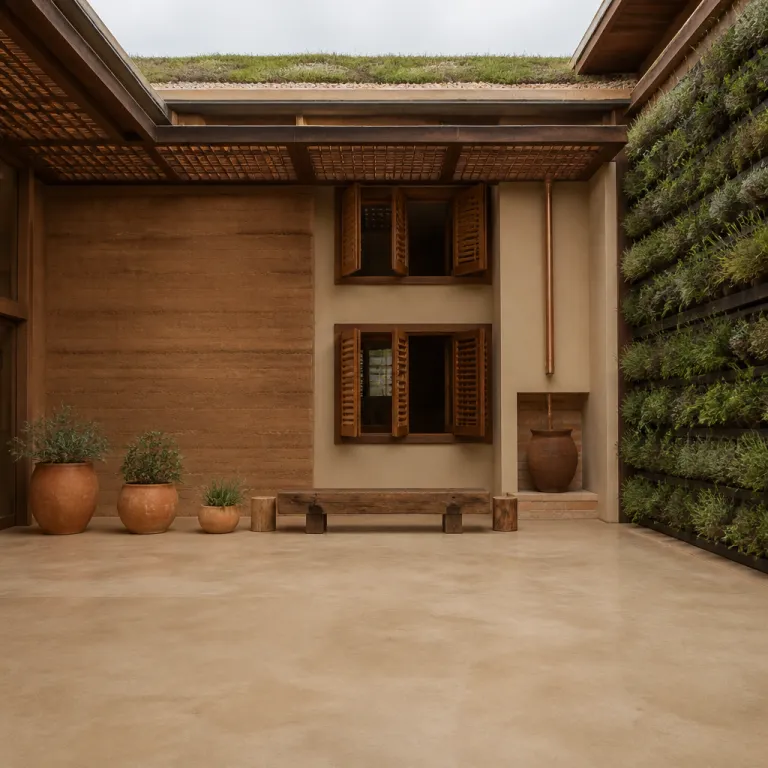
Materials tell the second half of the story, especially in properties that embrace timber, rammed earth or recycled components as part of their environmental strategy. Cross laminated timber buildings, like Hotel GSH on Bornholm, store carbon rather than emitting it, turning the structure into a long term environmental asset for both the hospitality industry and global climate goals. Public case studies on Hotel GSH report that its timber structure significantly reduces embodied emissions compared with a conventional concrete frame, illustrating how structural choices can cut lifecycle impact. For a closer look at how sourcing and material choices shape sustainable hospitality, this feature on local sourcing within 100 miles shows how design, supply chains and eco friendly practices intersect.
Embodied carbon, passive houses and the new icons of sustainable hospitality
Operational efficiency is now table stakes, so the next frontier in hotel sustainability is embodied carbon and whole building performance. Many sustainability certifications still reward efficient lighting and water fixtures, yet they rarely differentiate between a heavy concrete tower and a lightweight timber structure with the same energy profile. For travelers who care about rigorous hotel sustainability certification and advanced green building benchmarks, this blind spot is where your own judgment becomes a key tool.
Take Hotel Marcel in New Haven, the first Passive House certified hotel in the United States, which turns a former Brutalist office building into a near net zero hospitality space. Its building envelope, triple glazed windows and meticulous air sealing cut energy demand so dramatically that on site solar can realistically target net zero operations, making every guest night a lower environmental impact choice. Passive House Institute documentation shows that certified buildings can reduce heating and cooling demand by up to 75% compared with typical existing stock, which helps explain why Hotel Marcel’s energy profile is so different from a conventional retrofit.
Populus in Denver goes further, positioning itself as a carbon positive hotel by pairing efficient operations with significant off site reforestation and material strategies that reduce embodied emissions. Timber led projects such as Hotel GSH demonstrate how a green building can act as a carbon store, not just a low energy consumer, especially when paired with local suppliers and circular economy thinking. When you evaluate certified hotels, ask whether the certification program meaningfully addresses embodied carbon or only operational metrics, because that distinction shapes the long term sustainability of the hospitality industry. For travelers wanting to go deeper into fossil free architecture, this guide to net zero hotel blueprints explains how building science, design intent and guest comfort can align.
Inside the certification process: who verifies what, and for whom
Behind every plaque in the lobby sits a network of actors, standards and audits that define whether a hotel certification truly reflects sustainability. Hotel management teams usually lead implementation, while sustainability consultants translate complex environmental criteria into daily operations and building level strategies. Local suppliers then provide eco friendly products, from low flow fixtures to renewable energy contracts, turning abstract sustainability certification goals into tangible guest experiences.
Third party verification is the backbone of credible sustainability certifications, because it separates marketing from measurable performance. Reputable schemes use independent auditors to review data on energy, water, waste and sometimes building materials, ensuring that certified hotels meet defined thresholds rather than self declared green ambitions. Some programs, such as Green Key, now integrate digital platforms that track sustainability performance over time, linking business travel booking tools directly to verified environmental metrics.
For guests, the key is to understand which aspects of hotel sustainability are covered by the certification program and which remain outside its scope. Many labels focus on operations and management practices, including staff training, recycling systems and guest engagement, yet they may not fully assess the building’s structural choices or long term lifecycle. When you evaluate hotel sustainability certification claims for 2026 ready green buildings, ask whether the third party certification includes site selection, construction materials and renovation strategies, or whether it stops at housekeeping and lighting.
How to choose certified hotels that match your values and your itinerary
Choosing where to stay has become a quiet referendum on what kind of hospitality industry you want to support. With so many certifications and green labels, travelers need a clear, architecture informed method to filter hotels during booking. The goal is not perfection, but alignment between your sustainable travel values and the building level choices made by the property.
Start by checking whether the hotel holds a recognized sustainability certification from a respected third party, such as Green Key or the EU Ecolabel, and then read what the label actually covers. Look for evidence of a green building approach, including passive design, renewable energy, responsible water management and material choices that reduce environmental impact across the building’s lifecycle. When possible, choose properties that publish sustainability performance data, because transparency is a strong signal that management treats sustainability as a core business metric rather than a decorative story.
Next, layer in your own behavior as an eco conscious guest, because even the best certified hotels rely on travelers to close the loop. Simple actions such as shorter showers, mindful thermostat use and participation in recycling programs can significantly reduce per guest resource use, especially when average hotel water consumption can reach around 150 liters per night according to Global Sustainable Tourism Council guidance. As one industry resource puts it, “Energy efficiency, water conservation, waste reduction.” and “Why is hotel sustainability important? Reduces environmental impact and attracts eco-conscious guests.” and “How can guests support hotel sustainability? Participate in recycling programs and conserve resources.”
Where architecture meets operations: a real world sustainability implementation
To understand how hotel sustainability certification 2026 green building ambitions translate into reality, it helps to look at a single property’s journey. Consider a hypothetical luxury hotel on Green Street in New York, where management has committed to a multi year sustainability program that touches both the building envelope and daily operations. The address is less important than the method; what matters is how each decision links architecture, hospitality and environmental responsibility.
The project began with an energy audit that mapped where the building was losing heat, wasting electricity and overusing water, revealing that lighting and hot water were the main culprits. Management then worked with sustainability consultants and local suppliers to install LED lighting, low flow fixtures and solar panels on the roof, while also upgrading insulation and glazing to reduce heating and cooling loads. These changes cut operational energy use, lowered the environmental impact per guest and positioned the hotel to pursue a recognized sustainability certification aligned with global standards.
Equally important, the hotel adopted circular economy principles in its procurement and waste systems, choosing durable materials, local sourcing and robust recycling programs that support both eco friendly goals and long term business resilience. Staff training turned sustainability into a core part of hospitality, so that guests experience it not as a restriction but as a refined, thoughtful service layer. For travelers, this kind of integrated approach shows what sustainable hospitality can look like when building science, management strategy and guest experience share the same view of what a green hotel should be.
Key figures shaping sustainable hotel buildings
- Average hotel water use can reach around 150 liters per guest per night, so even small changes in fixtures and guest behavior significantly reduce environmental impact (Global Sustainable Tourism Council, sector guidance).
- Roughly 60% of hotels worldwide now report having some form of sustainability program, yet only a fraction hold rigorous third party certifications that fully assess building performance (Hospitality Net, industry overview 2023).
- EU tourist accommodations account for more than 3 billion overnight stays annually, which means that incremental improvements in hotel sustainability translate into substantial global emissions reductions over time (Eurostat tourism statistics).
- France has recorded a sharp rise in demand for ecolabels among hotels, with growth of around 70%, reflecting how regulation and eco conscious travelers jointly push the hospitality industry toward certified hotels (French Ministry for Ecological Transition, recent reporting).
- Properties such as Hotel Marcel and Populus demonstrate that deep energy retrofits and carbon positive strategies can cut operational emissions by large margins compared with conventional hotels of similar size and category (project documentation and public case studies).
FAQ: hotel sustainability, certifications and green buildings
What are the most common hotel sustainability practices I should expect?
Across luxury and design driven hotels, the most common sustainability practices include energy efficient lighting, water saving fixtures and structured waste reduction programs. Many properties now use LED bulbs, low flow showers and in room recycling as standard, supported by staff training and clear guest communication. These measures form the operational base that most sustainability certifications require before assessing more advanced building strategies.
Why does hotel sustainability matter for architectural hotels in particular ?
Architectural hotels often use complex forms, large glazed areas and expressive materials, which can either increase or dramatically reduce environmental impact depending on design choices. When these properties integrate passive design, high performance envelopes and responsible materials, they turn architecture into a tool for sustainable hospitality rather than a carbon burden. For travelers, choosing such hotels supports a hospitality industry where design excellence and sustainability performance reinforce each other.
How can I tell if a green building label is credible ?
A credible green building or hotel certification will clearly state its criteria, use independent third party audits and publish at least summary data on energy, water and waste performance. Look for recognized schemes such as Green Key or the EU Ecolabel, and check whether the certification process is transparent about both operational and construction related impacts. If a hotel cannot explain what its badge means in practical terms, treat the claim with caution.
What role do guests play in hotel sustainability ?
Guests influence both direct resource use and the business case for sustainable investments, especially in luxury segments where expectations are high. By choosing certified hotels, using resources carefully and giving feedback that values sustainability, travelers signal to management that environmental performance is a core part of hospitality quality. Over time, this demand helps justify deeper investments in green buildings, renewable energy and more ambitious sustainability certifications.
Are smaller independent hotels able to pursue sustainability certifications ?
Smaller independent hotels often face higher relative costs and limited staff capacity when pursuing formal certifications, even when their environmental commitment is strong. Many start with targeted upgrades such as efficient lighting, water conservation and local sourcing, then move toward certification once data and processes are in place. For travelers, supporting these properties and asking thoughtful questions can encourage them to take the final step toward recognized hotel sustainability certification.