How amanvari aman mexico resort 2026 architecture redefines the desert coast
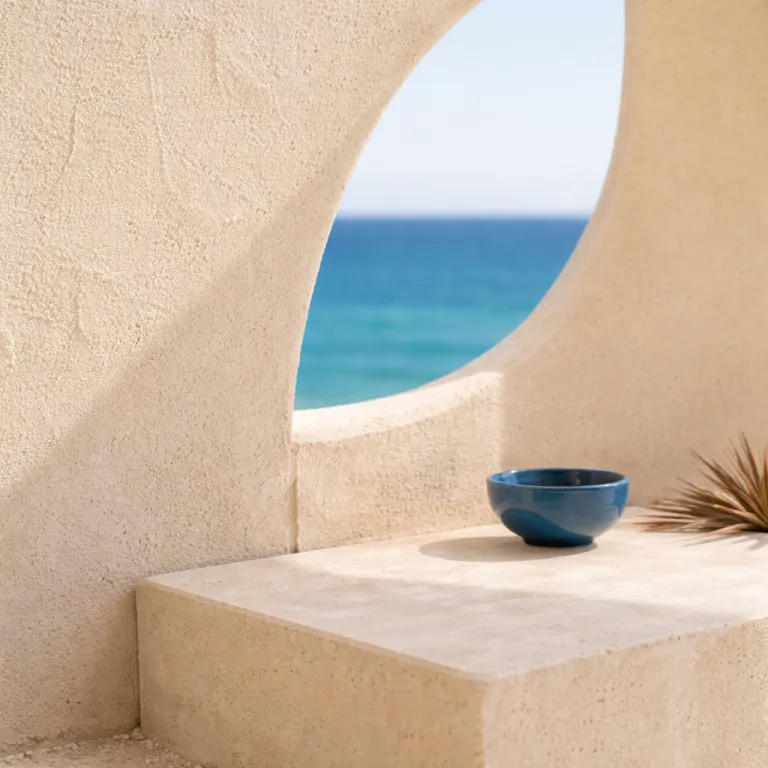
Amanvari sits on Baja’s East Cape as a quiet study in restraint. Instead of a dominant hotel block, the Aman resort places low stone and timber pavilions between desert dunes and the Sea of Cortéz, so the buildings read as shadows rather than objects. For couples used to louder luxury resorts, this softer architectural language will feel like a deliberate, almost meditative, escape on a remote stretch of white sand.
The resort occupies around 1,000 acres within the wider Costa Palmas development,1 yet the Aman team has kept the footprint low and porous. Rather than a single tower, the masterplan uses dispersed structures that follow the natural contours of the sand and native vegetation, which means almost every residence and casita gains a framed view of sea or desert. This is where the coastal retreat’s design becomes interesting for architecture-focused travelers, because the plan treats the landscape as the primary volume and the buildings as careful insertions along the oasis edge.
On this stretch of white sand, the Sea of Cortéz meets a dry, cinematic hinterland. The architects from Heah & Co. and Elastic Architects2 use stone walls, shaded timber pergolas and deep overhangs to manage light and heat, so you move through a sequence of cool thresholds rather than air-conditioned bubbles. For couples planning a private Aman escape, that means you can walk from your residence to the sand beach or the spa stretch without feeling the usual glare and fatigue of a desert costa.
The name Amanvari itself signals the intent behind the design. As Aman Resorts explains, “Amanvari derives its name from the Sanskrit words for ‘peace’ and ‘water’,”3 a pairing that runs through the entire resort, from the way the pools echo the sea to the way the pavilions hover just above the sand, giving every residence and suite a subtle sense of lift.
Context matters here, because this is Aman’s first property in Mexico and its debut resort in Latin America.4 The East Cape location places the project within the emerging Costa Palmas enclave, yet the Aman design language keeps a clear distance from more conventional marina village developments nearby. If you are comparing options along this costa, Amanvari will appeal if you value architecture that recedes, leaving the sea, the sand and the sky to do most of the talking.
For couples who track new architectural hotels, Amanvari joins a small group of design-led coastal retreats where the building is the experience. On our platform, it sits comfortably alongside projects like the refined coastal retreat in Cornwall reviewed in our guide to a coastal escape where architecture meets shoreline. In each case, the promise is similar; you come for the view and stay because the architecture teaches you to read that view differently.

Low profile pavilions and the art of building with the land
The defining move in the Amanvari concept is the decision to keep everything low. Instead of stacking rooms vertically, the resort spreads 18 casitas and future Aman Residences horizontally across the site,1 so the skyline remains a clean line of palms and desert scrub. For couples, that translates into a sense of privacy that feels more like a private Aman hideaway than a conventional resort.
Each residence and guest pavilion is oriented to capture a specific view, either towards the Sea of Cortéz, the golf fairways of Costa Palmas or the more rugged East Cape mountains. This careful siting means that even when the resort is full during peak seasons, you rarely feel overlooked, because the architecture uses angles, screens and planting to choreograph sightlines. The result is a resort private atmosphere where you can step from your residence directly into the landscape, with only the sound of the sea and the rustle of palms as company.
Material choices reinforce this low-profile approach. Stone walls anchor the buildings into the sand, while timber structures and screens filter light in a way that recalls traditional Mexican coastal casas without copying them literally. If you have stayed in other design-forward properties, such as the timber and stone compositions at Capella Kyoto described in our review of Kengo Kuma’s spatial poetry in Higashiyama, you will recognise the same respect for shadow, texture and the slow reveal of space.
Pathways between the pavilions are deliberately narrow and meandering. You move along the oasis edge of planted courtyards, past shallow water features that mirror the sea beyond, then out to the open sand beach where the stretch of white sand runs uninterrupted for hundreds of metres. For couples arriving from urban centres, this sequence from enclosure to openness feels like a reset, and the architecture uses it as a daily ritual.
Within the Costa Palmas masterplan, Amanvari occupies a quieter corner away from the main marina village and yacht club. That separation allows the resort to maintain its own acoustic and visual identity, while still giving guests access to the marina, the golf course and the broader club amenities when they want more activity. You can spend mornings in your residence listening to the sea, then walk or ride to the marina village for a beach yacht excursion or a round of golf without ever feeling trapped in a single resort bubble.
For design-conscious couples, the key takeaway is this: Amanvari is not about spectacle. The architecture is about calibration, from the height of a parapet that frames the Sea of Cortéz horizon to the depth of a terrace that catches the evening breeze. As one project architect described it in an early brief, the goal was “to let the desert and the sea do the talking, and to tune the buildings like instruments in the background.” If you value architecture that listens before it speaks, this low-profile approach on the East Cape will feel exactly right.
Material palette, Mexican craft and the feel of each space
Walk through the first arrival sequence at Amanvari and the material story becomes clear. Underfoot, stone floors carry the colour of the surrounding desert, while timber ceilings and screens soften the light so that the interiors never feel harsh. For couples, that means you step into a calm, tactile world where every surface has been chosen to age gracefully with salt, sand and sun along the Sea of Cortéz.
The architects draw on local Mexican building traditions without resorting to pastiche. Thick stone walls provide thermal mass against the East Cape heat, while shaded verandas echo the deep porches of historic coastal casas, giving each residence a transitional zone between inside and outside. Over time, as the palms and native planting mature, the resort will feel increasingly like a series of casas embedded in a garden rather than a new-build resort on a cleared site.
Inside, the material language continues with timber joinery, woven textiles and a restrained palette that keeps the focus on the view. In the Aman Residences, expect multiple dining and living areas that open onto terraces, so you can host friends or simply enjoy a private Aman evening with the Sea of Cortéz as your backdrop. Couples who appreciate thoughtful interior architecture will notice how the furniture layouts respect circulation, allowing you to move from bed to terrace to pool without awkward detours.
The public spaces follow the same logic. Aman has planned dining venues that sit close to the sand beach, with roofs that hover lightly above open-sided rooms, so you always feel the breeze and hear the sea. Some of these venues will connect visually to the marina and yacht club activity at Costa Palmas, while others turn inward to courtyards and water features, giving you a choice between social energy and quiet retreat.
Wellness spaces are treated almost like separate pavilions in a spa stretch that runs parallel to the shoreline. The Aman Spa uses stone, timber and water to create a sequence of treatment rooms, pools and relaxation areas that echo the wider resort architecture, so you never feel you have left the design language. For couples planning a wellness-focused escape, this continuity between residence, spa and landscape is a significant part of the appeal.
In a broader context, Amanvari’s material discipline aligns it with other design-led hospitality projects that treat architecture as a form of narrative. Think of the way Louis Vuitton’s first hotel at 103 Champs Élysées, explored in our feature on how fashion hospitality is being rewritten, uses stone, glass and heritage detailing to tell a story about the city. Here on the East Cape, the story is about sand, sea and desert light, and every material choice at Amanvari serves that narrative.
Life between sea, sand and golf: how couples will actually stay
Architecture only matters if it shapes how you live in a place. At Amanvari, the built environment is designed around a simple daily rhythm: wake to the sound of the sea, move slowly through shaded spaces, then choose between water, wellness or golf as the day unfolds. For couples, that rhythm is what turns a stay into a genuine escape rather than a sequence of scheduled activities.
Mornings often start on the terrace of your residence, where the view takes in the Sea of Cortéz on one side and the palms of Costa Palmas on the other. From there, you can walk directly onto the stretch of white sand that fronts the resort, with the sand beach kept deliberately uncluttered so the architecture never competes with the shoreline. If you prefer more structured activity, the nearby golf course at Costa Palmas offers a contrasting landscape of manicured greens against the raw desert backdrop.
Midday is when the resort’s spatial planning really proves its worth. Deep overhangs, courtyards and water features create cooler microclimates, so you can move between the Aman Spa, the pool decks and the dining venues without feeling exposed to the full force of the East Cape sun. Couples who value privacy will appreciate how the resort private pathways keep circulation discreet, allowing you to reach the spa stretch or a beach yacht excursion at the marina without crossing crowded lobbies.
Afternoons might take you beyond the immediate resort. The marina village at Costa Palmas gives you access to a yacht club, water sports on the Sea of Cortéz and excursions along the coast, yet you always return to the quieter architectural language of Amanvari. That contrast between the energy of the marina and the calm of your residence is one of the reasons the design works so well for longer stays.
Evenings are when the multiple dining options come into play. Some venues Aman will focus on sea-facing terraces where you can watch the light fade over the sand and palms, while others will sit deeper within the resort, framed by courtyards and reflecting pools for a more intimate feel. For couples, this means you can choose a different mood each night without ever leaving the property, yet the consistent material palette keeps the experience coherent.
Over several nights, you start to notice how the architecture choreographs your relationship with the elements. The way a wall cuts the wind on a cooler evening, the way a pergola filters morning light over breakfast, the way the path from your residence to the sea always reveals the horizon at the same turning point. One guest described it as “walking the same route every day, but seeing a slightly different film of light and shadow each time.” These are small details, but they are exactly what design-conscious travelers look for when choosing between high-end resorts along this costa.
Residences, casas and the future of ultra private coastal living
Amanvari is not only a resort; it is also a residential proposition. Within the broader Costa Palmas development, Aman Residences and branded casas will extend the design language into a more permanent form of coastal living. For couples considering a longer-term connection to the East Cape, this blend of resort and residence offers a different way to inhabit the desert-meets-ocean landscape.
The planned residences will range from standalone casas to larger compounds, each designed to echo the low-profile, stone and timber language of the main resort. Expect layouts that prioritise privacy, with courtyards, pools and shaded terraces that allow you to live largely outdoors while still feeling protected from wind and sun. In many cases, the view will take in both the Sea of Cortéz and the golf course or marina, giving a layered sense of place that shifts with the seasons.
Within Costa Palmas, names like Casa Blake and Casa Blake Residences signal a more urban, marina-oriented lifestyle, closer to the club, the marina village and the yacht club. By contrast, the Aman Residences at Amanvari lean towards seclusion, with resort private services and a closer relationship to the sand beach and natural dunes. Couples choosing between a casa in the heart of the marina and a residence on the oasis edge of Amanvari will need to decide whether they prefer proximity to activity or deeper privacy.
Service is the other key differentiator. Owners of a private Aman residence at Amanvari can expect access to the Aman Spa, dining venues and resort amenities, effectively turning their home into an extension of the resort. That means you can host friends for multiple dining experiences, arrange a beach yacht outing from the marina or book wellness programmes in the spa stretch without sacrificing the intimacy of your own residence.
Architecturally, this integration of resort and residence reflects a broader trend in ultra-luxury hospitality. Travelers are no longer satisfied with occasional stays; they want the option to embed themselves in a place, whether through fractional ownership, branded residences or long-term rentals. The Amanvari vision anticipates this by designing casas and residences that can function as both private sanctuaries and extensions of the resort’s spatial choreography.
For design-minded couples, the appeal lies in the continuity. The same stone walls, timber screens and carefully framed views that define the guest casitas will carry through to the residences, so you never feel you are stepping down in quality when you move from resort to home. In a region where many developments mix styles and scales without much coherence, that level of architectural discipline at Costa Palmas is a significant point of difference.
Planning your stay: seasons, access and choosing the right space
For couples considering Amanvari, timing and logistics matter almost as much as design. The East Cape has distinct seasons, with cooler, clearer months that suit hiking in the nearby Sierra de la Laguna mountains and warmer periods that favour Sea of Cortéz activities like snorkelling and yachting. When you plan around these seasons, the resort’s architecture reveals different moods, from crisp desert mornings to languid, salt-heavy evenings.
Access is relatively straightforward, with international flights into Los Cabos followed by a drive along the coast to Costa Palmas. That final approach is part of the experience, as the road tracks the shoreline before turning inland towards the palms, the golf course and the marina village. As you arrive, the resort’s low-profile buildings appear gradually, so the first full view of the sea and sand beach from the main pavilion feels earned rather than staged.
Room selection is where design-conscious couples can really tailor their stay. Casitas closer to the sand beach offer immediate access to the stretch of white sand and the sound of the sea at night, while higher-set residences may prioritise broader views over the palms, golf fairways and marina. If privacy is your priority, ask for a residence on the quieter side of the resort, away from the main dining venues and closer to the spa stretch and Aman Spa.
Those who plan to use the marina and yacht club frequently might prefer a residence or casa that sits closer to the Costa Palmas core, perhaps near Casa Blake or the more urban cluster of Casa Blake Residences. From there, you can move easily between club facilities, the marina village and your own private Aman space at Amanvari. Couples who split their time between social and secluded modes will appreciate being able to shift between these zones without long transfers.
Booking strategy is simple; this is a property where demand will likely outstrip supply, especially in peak seasons. With only 18 casitas initially and a limited number of Aman Residences available,1 you should plan well ahead if you want specific layouts or orientations. For special occasions, consider coordinating with the resort private events team to secure particular dining venues or beach yacht experiences that align with your architectural and culinary interests.
Finally, think about how you want to use the architecture itself. If you are a couple who enjoys quiet mornings sketching or photographing, choose a residence with a wide terrace and a layered view that takes in both sea and desert. If you are more active, prioritise proximity to the sand, the Aman Spa and the pathways that lead to the golf course and marina, so the buildings become the elegant backdrop to a very full coastal life.
Key figures and architectural facts about Amanvari Mexico
- Amanvari occupies approximately 1,000 acres within the Costa Palmas development on Baja’s East Cape, giving the resort enough land to maintain low-density architecture and generous buffers of natural landscape (source: Amanvari project overview on aman.com).1
- The initial resort phase includes 18 casitas, which keeps guest numbers intentionally limited and supports the resort private atmosphere that many couples seek in ultra-luxury coastal properties (source: Amanvari fact sheet, Aman Resorts).1
- Amanvari marks Aman’s first resort in Mexico and its first property in Latin America, signalling a strategic expansion into the region’s desert-meets-ocean geographies and high-end eco-tourism market (source: Aman corporate announcements).4
- The resort’s location on the Sea of Cortéz allows direct access to both marine activities and inland excursions to the Sierra de la Laguna mountains, creating a rare combination of sea and desert experiences from a single base (source: Costa Palmas destination information).5
- The wider Costa Palmas masterplan integrates a marina, yacht club, golf course and residential components such as Casa Blake Residences, positioning Amanvari within a multi-use coastal enclave while preserving its own architectural identity (source: Costa Palmas masterplan brief).5
FAQ about Amanvari Mexico and its architecture
What does the name Amanvari mean ?
The name Amanvari combines two Sanskrit words that translate to “peace” and “water,” reflecting the resort’s intention to create a tranquil, water-oriented retreat on the East Cape. As stated by Aman Resorts, “Amanvari derives its name from the Sanskrit words for ‘peace’ and ‘water’.”3 This meaning aligns closely with the architecture, which uses pools, courtyards and sea-facing pavilions to frame water in multiple forms.
Where exactly is Amanvari located in Mexico ?
Amanvari is located on the East Cape of Baja California Sur, within the Costa Palmas development on the Sea of Cortéz. The site lies close to 23.0° N and 109.7° W, placing the resort a drive away from Los Cabos International Airport but in a much quieter coastal zone. This position allows the resort to combine access to a marina, golf and club facilities with a more secluded stretch of white sand beach.
When is Amanvari scheduled to open for guests ?
Amanvari is currently slated to welcome guests in 2026,4 following a development timeline that includes announcement, construction and final commissioning phases. For couples planning future stays, this means the resort will enter the market as part of a new wave of design-forward openings along the Sea of Cortéz. Given the limited number of casitas and Aman Residences, early booking will be essential once reservations go live.
How does Amanvari’s architecture differ from other Mexican luxury resorts ?
The design stands out by keeping buildings low, dispersed and closely tied to the desert landscape, rather than relying on tall hotel blocks or overtly decorative styles. Materials such as stone and timber, combined with deep overhangs and shaded courtyards, create a calm, minimalist aesthetic that foregrounds the sea and sand rather than the structures themselves. For design-focused travelers, this makes Amanvari feel closer to a series of crafted casas in a landscape than to a conventional coastal resort.
What types of experiences can couples expect around the resort ?
Couples staying at Amanvari can expect a mix of quiet architectural immersion and active coastal experiences. On site, the Aman Spa, multiple dining venues and the resort private beach offer plenty of ways to inhabit the architecture, from shaded terraces to spa stretch pavilions. Beyond the immediate resort, access to the Costa Palmas marina, yacht club, golf course and the wider East Cape landscape allows for yachting, hiking and cultural excursions anchored by a carefully designed architectural base.
Sources
1 Amanvari project overview and fact sheet, Aman Resorts (acreage, number of casitas, low-density planning).
2 Architect credits to Heah & Co. and Elastic Architects from Amanvari design announcements.
3 Aman Resorts statement on the etymology of “Amanvari” (“peace” and “water”).
4 Aman corporate press releases on Amanvari as Aman’s first resort in Mexico and Latin America, with an anticipated opening in 2026.
5 Costa Palmas masterplan and destination information (marina, yacht club, golf course, Casa Blake Residences, Sierra de la Laguna access).