From state gateway to city sanctuary: why Admiralty Arch matters
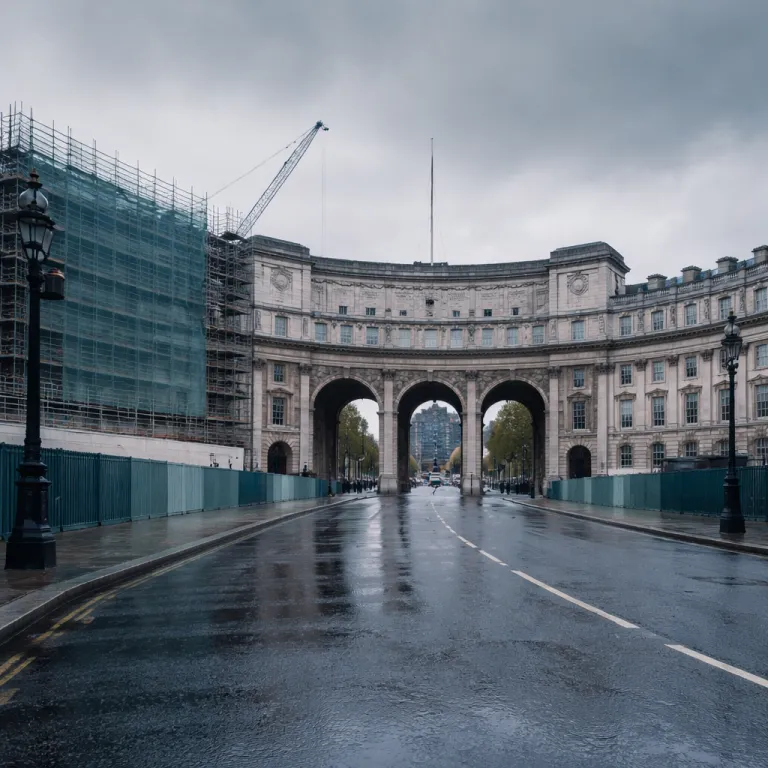
Stand on The Mall and the scale of London Admiralty architecture is unmistakable. The great curving arch of Admiralty Arch frames the processional axis between Trafalgar Square and Buckingham Palace, a stone proscenium built for empire and ceremony. For travelers tracking the Waldorf Astoria London Admiralty Arch opening in 2026, this is the stage on which a new kind of British luxury hotel will quietly unfold.
Admiralty Arch was completed as a memorial gesture, its Edwardian Baroque façade by Sir Aston Webb designed to choreograph royal movement rather than private arrival. For more than a century the building functioned as government offices, its corridors calibrated for civil servants and state security rather than rooms, suites and spa guests. Transforming this civic machine into a Waldorf Astoria flagship is widely described as one of Europe’s most audacious adaptive reuse projects in the United Kingdom, and it will test how far a former command center can soften into a place for couples and family travelers.
The future Waldorf Astoria London Admiralty Arch will be operated under the Waldorf Astoria Hotels & Resorts banner, part of the wider Hilton portfolio of luxury hotels and resorts. Behind the scenes, the Reuben Brothers now steer development, working with Archer Humphryes Architects to translate institutional stone into intimate hospitality. For anyone comparing Waldorf Astoria hotels worldwide, from London to the brand’s addresses in Singapore and beyond, this opening will signal how the group handles heritage at the very heart of the capital.
Architectural DNA: how Edwardian Baroque becomes a luxury hotel
The architectural story of Admiralty Arch begins with procession, not privacy. Aston Webb’s composition bends around the curve of The Mall, its central arch and flanking arches choreographing movement from Trafalgar Square towards Buckingham Palace with almost theatrical precision. Inside, the original plan stacked large, state-scale rooms along deep corridors, a logic that served government but never anticipated a Waldorf Astoria luxury hotel with around 96 rooms and suites.
Archer Humphryes Architects approach this Grade I listed structure as both constraint and opportunity, working within strict conservation rules that protect façades, key interiors and structural grids. The challenge is to carve out generous guest rooms, suites and high-ceilinged signature categories without compromising the building’s ceremonial bones, a balancing act that will define whether this becomes one of the best luxury addresses in London or a beautiful but awkward relic. Every intervention, from new spa facilities to discreet wellness spaces, must respect the original stonework while meeting contemporary expectations for quiet, tech-light comfort.
For design-conscious travelers used to purpose-built Waldorf Astoria hotels in Singapore or the Middle East, the Admiralty Arch conversion offers something different. Here, British luxury is expressed through patina and proportion rather than glass towers and LED drama, and the hotel will feature views that align precisely with royal processions along The Mall. If you are planning a circuit of iconic European stays, pair this future opening with a refined guide to iconic hotels to book in Paris for an unforgettable stay to understand how different cities translate heritage into hospitality.
From ceremony to intimacy: how the guest journey will feel
Arriving at a hotel carved into Admiralty Arch will never be anonymous. You enter through stone that once framed royal parades and military marches, yet the Waldorf Astoria team must now choreograph a softer sequence from city to sanctuary. The success of Waldorf Astoria London Admiralty Arch will depend on how convincingly that ceremonial threshold dissolves into intimate lounges, quiet corridors and private suites.
Expect the lobby to acknowledge the building’s public past while diverting guests quickly into more human-scale spaces, perhaps via side salons or lifted mezzanines that break down the volume. Couples seeking a romantic stay will want the drama of London Admiralty views without feeling dwarfed by them, so the interior design will feature layered lighting, tactile materials and carefully framed vistas that edit the city rather than overwhelm. For family travelers, circulation must be legible and calm, turning what were once bureaucratic passageways into intuitive routes between guest rooms, spa, wellness areas and dining venues.
This is where the Waldorf Astoria brand’s experience with complex heritage conversions and urban luxury hotels becomes critical. Other properties in the portfolio have shown how to hide technology, integrate security and maintain service choreography in tight footprints, lessons that will be invaluable here. If you enjoy city-center hotels where architecture shapes every step, you might also look at this guide to refined stays in the heart of the city while you plan your London itinerary around Admiralty Arch.
Culinary ambition under the arch: Clare Smyth and Daniel Boulud
For many guests, the first real contact with any luxury hotel is not the room but the plate. At Waldorf Astoria London Admiralty Arch, that plate will be shaped by two of the most influential chefs working in the United Kingdom and North America. Clare Smyth and Daniel Boulud bring serious awards pedigrees, and their presence signals that this hotel will compete for the title of best luxury dining address in central London.
According to project announcements, Clare Smyth will lead a fine-dining restaurant named Coreus, while Daniel Boulud will oversee Café Boulud. For guests, that means a spectrum from Coreus, likely to lean into Smyth MBE’s precise, produce-driven interpretation of British luxury cuisine, to Café Boulud, where Boulud’s Lyonnais roots and New York polish meet. Expect gastronomy that respects the building’s gravitas without feeling stiff, with menus that might reference the site’s maritime and governmental history in subtle, contemporary ways.
For couples planning a celebratory stay, the ability to book a suite, enjoy the spa and wellness facilities, then move downstairs for a Clare Smyth tasting menu or a more relaxed Café Boulud evening with Daniel Boulud is a compelling proposition. It positions the property not only among the best hotels in London but also within a global constellation of Waldorf Astoria destinations where cuisine is central, from European capitals to flagship addresses in Singapore and beyond. If you value architecture and food equally when you travel, this is the kind of integrated experience that justifies planning your opening-night reservation months in advance.
Inside the rooms and suites: intimacy carved from stone
Numbers matter in adaptive reuse, and here they tell a story of restraint. With approximately 96 rooms and suites planned inside such a large footprint, the hotel will feature relatively low key density for a central London property, a choice that should translate into generous layouts and quieter corridors. For couples, that means more space to inhabit the architecture rather than simply sleep in it.
Grade I listing imposes strict limits on structural change, so Archer Humphryes must work with existing window rhythms and wall lines to shape each room and suite. Expect a variety of configurations, from compact rooms that frame London Admiralty views to larger suites that follow the curve of the arch, each using joinery and lighting to soften the building’s institutional origins. The most exclusive categories will likely occupy the most dramatic corners, where you can look down The Mall towards Buckingham Palace or back to Trafalgar Square, watching the city’s processions from a private, sound-insulated perch.
Wellness and spa design will be equally constrained yet potentially more atmospheric, often tucked into deeper parts of the plan where natural light is scarce but acoustics are controllable. Here, the Waldorf Astoria team can lean into moodier palettes, hydrotherapy and quiet treatment rooms that contrast with the brightness of the public arches, creating a full wellness circuit within the stone shell. For travelers who appreciate architecture as much as amenities, this is where the building’s mass becomes an asset, wrapping you in a kind of urban stillness that few luxury hotels and resorts in the United Kingdom can match.
Planning your stay: what this opening means for design led travelers
For design-focused couples plotting a London itinerary, Waldorf Astoria London Admiralty Arch should sit alongside galleries and theatres, not just other hotels. The address places you within a short walk of Buckingham Palace, the National Gallery and the river, yet your base will be a piece of the city’s own ceremonial infrastructure. That duality — tourist London outside, institutional London reimagined inside — is what sets this luxury hotel apart.
The redevelopment story also matters for travelers who care about where their money goes. Admiralty Arch was sold for redevelopment under a long lease reported at 125 years, and the Reuben Brothers later took over the project, partnering with Hilton to operate it under the Waldorf Astoria flag. This kind of private investment in public heritage is reshaping how London’s government buildings evolve, and the success or failure of this hotel will influence future conversions across Whitehall and beyond.
If you are building a trip around architectural stays, consider pairing your London Admiralty nights with other adaptive reuse properties, from Parisian landmarks to American mountain lodges. One thoughtful example is highlighted in this piece on an elegant escape for architecture and golf lovers, which shows how a historic lodge can feel both rooted and refreshed. Used as part of a wider itinerary, the future Waldorf Astoria London Admiralty Arch becomes not just a place to sleep but a lens through which to read how cities recycle their most symbolic stones.
Key figures and architectural facts for the Waldorf Astoria at Admiralty Arch
- Admiralty Arch was completed in 1912 as part of a wider scheme to honor Queen Victoria, giving the future hotel a direct link to London’s royal ceremonial axis between Trafalgar Square and Buckingham Palace (source: Historic England listing and early 20th-century planning records).
- The redevelopment is based on a 125-year lease, a duration that encourages long-term investment in conservation quality and positions the property as a generational project rather than a quick commercial conversion (source: UK government redevelopment documentation and lease announcements).
- The hotel is expected to offer around 96 rooms and suites, a relatively low number for such a large building, which should support a higher staff-to-guest ratio and more personalized service than many central London hotels (source: project briefings and Hilton press materials).
- Admiralty Arch holds Grade I listed status in the United Kingdom, placing it among the top tier of protected buildings and imposing strict controls on alterations to its structure and façades (source: Historic England listing categories).
- The project has been described in design media as “perhaps Europe’s most audacious adaptive reuse project”, underlining its significance for architects, conservationists and travelers who seek out architecturally ambitious luxury hotels and resorts.
FAQ about Waldorf Astoria London Admiralty Arch
When is Waldorf Astoria London Admiralty Arch scheduled to open ?
The property is scheduled to open as Waldorf Astoria London Admiralty Arch in the near future, following a multi-year restoration and conversion program. The project timeline links the sale of the building, the later involvement of the Reuben Brothers and the current fit-out under the Hilton-operated Waldorf Astoria flag. Travelers planning high-season trips to London should monitor official announcements and book early once reservations open, as demand for the first months will be intense.
What is the history of Admiralty Arch before it became a hotel ?
Admiralty Arch was commissioned in memory of Queen Victoria and completed as a monumental gateway between Trafalgar Square and Buckingham Palace, housing government offices for much of its life. Its Edwardian Baroque design by Aston Webb emphasized ceremony and state function, not hospitality or leisure. The current conversion into a luxury hotel represents a major shift in how central government architecture in the United Kingdom is used and experienced.
Who is operating the hotel and which brand will it belong to ?
The hotel will be managed by Waldorf Astoria Hotels & Resorts, the luxury division within the wider Hilton group. This means guests can expect the service standards and loyalty program integration associated with other Waldorf Astoria hotels worldwide, from London properties to flagship addresses in Singapore and the Americas. The combination of a global luxury brand with such a specific London Admiralty landmark is part of what makes this opening so closely watched.
Which chefs are involved and what kind of dining can guests expect ?
Current plans indicate that Clare Smyth will lead Coreus and Daniel Boulud will head Café Boulud within the hotel. Guests can therefore anticipate a mix of high-level fine dining under Smyth MBE, likely focused on contemporary British luxury cuisine, and more relaxed yet still polished experiences at Café Boulud with Daniel Boulud. This culinary line-up positions the property to compete for major awards and to be considered among the best luxury dining destinations in London.
Is Waldorf Astoria London Admiralty Arch suitable for couples and families ?
With around 96 rooms and suites, a central location near major sights and planned spa and wellness facilities, the hotel will suit both couples seeking a romantic city break and family groups wanting space and service. The adaptive reuse layout should offer a range of room sizes, from compact city-view rooms to larger suites that can accommodate family stays comfortably. Proximity to museums, parks and royal landmarks makes it a strong base for travelers who want to balance architectural interest with easy sightseeing.