How to evaluate hotel architecture design before you book
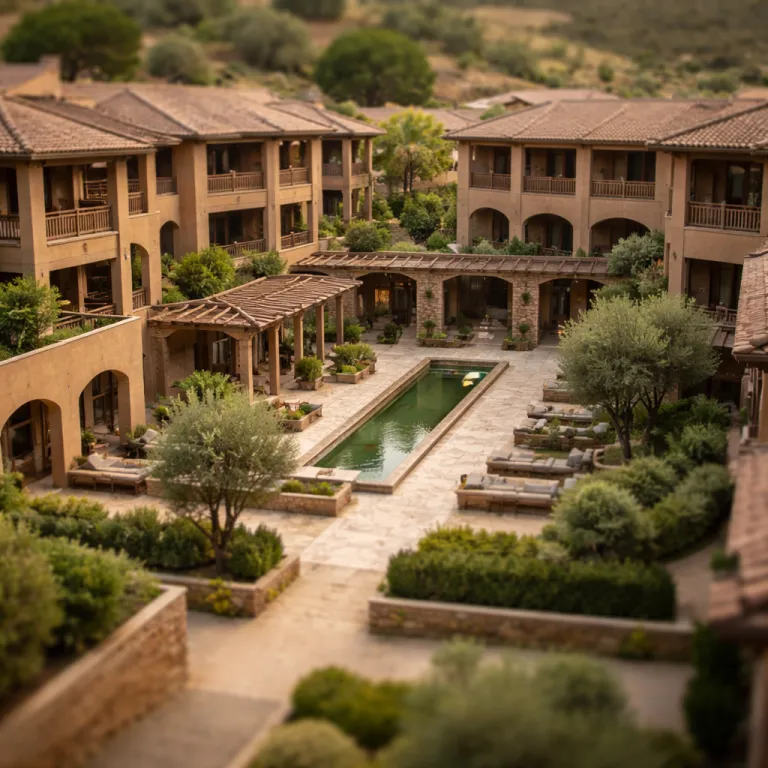
Start with the photographs and treat them as drawings of intent. When you ask how to evaluate hotel architecture design, look beyond the pool shot and study the relationship between the building, the landscape and the exterior design of entrances and terraces. A strong luxury hotel or resort hotel usually reveals its planning logic in the first image that shows the whole building.
Look for clear, legible volumes rather than random shapes competing for attention. When hotels feature calm façades, consistent window rhythms and honest architectural materials, they signal that the hotel design has been driven by a coherent plan instead of marketing trends. This is where you begin to separate a genuine design hotel or design hospitality project from a property that has simply added fashionable furniture.
Zoom in on circulation clues in the photos. You want to see how guests move from arrival to lobby to guest rooms, and whether those spaces feel like a continuous experience or a series of disconnected sets. If you can spot staircases, balconies or a hotel floor corridor, ask yourself whether the floor plans seem intuitive or whether the plans appear forced just to create a dramatic lobby.
Pay attention to light before you fall for colour. Natural light is the most reliable indicator of architectural intelligence in luxury hotels, because it reveals how the architect oriented the building and carved spaces. When a guide hotel review talks about changing light across a floor during the day, that usually means the planning has been carefully tuned to guest comfort and guest experience rather than only to spectacle.
Finally, read the interior design as part of the architecture, not as decoration. Chairs, tables and beds should sit comfortably within the room proportions, with enough breathing space around them to move without sidestepping luggage. If every photo feels cropped tight to hide awkward corners or low ceilings, the underlying floor plan and hotel floor layout may not support a truly relaxing stay.
Light, circulation and the quiet intelligence of hotel spaces
Once you arrive, the first walk from drop off to room tells you almost everything. Architects, developers and hotel operators all know that circulation is where hospitality either flows or clogs, so use that first journey as your live guide hotel for how to evaluate hotel architecture design in practice. Ask yourself whether the route feels legible, or whether you are constantly hunting for signs and staff.
Notice how the lobby handles movement and pause. In well considered hotels, the planning creates distinct spaces for check in, waiting, and quiet conversation, instead of one noisy hall where every guest competes for attention. When the building volume allows you to see a clear path to lifts, stairs and public rooms, the floor plans are usually efficient for both guests and the back of house équipe.
Corridors are the real test of design hospitality. A refined luxury hotel will use changes in light, ceiling height and materials to break long hotel floor corridors into smaller, more intimate sequences that support guest comfort. Poorly resolved hotels feature endless, identical hallways where the only design move is carpet pattern, which often signals that the plans were driven by maximum key count rather than guest experience.
Light should guide you almost subconsciously. As you move from exterior to lobby to guest rooms, natural light should gradually soften, with windows or courtyards punctuating the route instead of leaving you in artificially lit tunnels. When you evaluate hotels in places like the cliffside properties of Santa Maria in the Azores, often celebrated as architectural gems for discerning travelers, you will notice that the best buildings choreograph light as carefully as furniture.
Staircases deserve special attention. In a serious architectural hotel, stairs are not hidden emergency escapes but sculpted elements that connect floors and public spaces with grace. If the only visible stair is a decorative gesture in the lobby while the real hotel floor connections are buried in service cores, the building may prioritise image over lived experience.
Rooms, proportions and the architecture of comfort
Inside the room, proportion is your most reliable compass. Industry data suggests that an average hotel room size of around 30 square metres offers a good balance between intimacy and function, but what matters more is how that area is organised in the floor plan. A long, narrow room of the same size can feel cramped, while a well balanced rectangle with clear zones for sleep, work and lounging feels quietly luxurious.
Stand by the door and read the layout like a drawing. In thoughtful luxury hotels, the plan places the bathroom and storage as a compact block near the entrance, freeing the window side for the bed and seating so guests enjoy light and views. When different types of hotel rooms share a similar logic, you can sense that the architects and interior design team worked from integrated floor plans rather than retrofitting furniture into leftover spaces.
Furniture scale is the next test. A king bed squeezed wall to wall, or a sofa that blocks balcony doors, tells you that the room was sold on headline dimensions rather than real guest comfort. In contrast, a design hotel that leaves generous circulation around the bed, with side tables you can actually use, shows that the building and interior were planned together.
Look down at the hotel floor and how it changes. Continuous flooring materials that run from corridor to threshold to room can make spaces feel larger and calmer, while abrupt shifts at every step often reveal fragmented planning. When you see a clear relationship between the structural grid of the building and the rhythm of doors and windows, you are looking at hotel design where architecture leads and decoration follows.
Some of the most compelling resort hotel projects, such as coastal properties that reinterpret traditional courtyard houses or terraced villas, use split level floor plans to create layered guest rooms with distinct zones. A strong example is the new generation of coastal retreats where the architecture frames the sea with deep window reveals and shaded loggias, as seen in projects like the Caterpillar Hotel, which redefines luxury stays through architectural elegance. In these hotels, the room becomes a small building, and every step between bed, terrace and bathroom has been carefully choreographed.
Materials, sustainability and the difference between style and substance
Material honesty is where marketing claims meet reality. When you are working out how to evaluate hotel architecture design, ask whether stone, timber and concrete are structural or merely applied as thin veneers. A building that uses local stone as a true load bearing element, or native woods as integral joinery, usually reflects deeper engagement with place than a lobby clad in imported marble.
Hyper localisation has become a defining principle in the hospitality industry, with regional stone, native woods and locally woven textiles now seen as markers of serious design intent rather than rustic clichés. This shift aligns with the broader move toward sustainable design, where eco friendly materials and shorter supply chains reduce environmental impact while giving hotels unique character. Properties that integrate these materials consistently across guest rooms, public spaces and exterior design tend to age gracefully instead of chasing short term trends.
Sustainability is not only about labels on bathroom cards. According to Green Building Council data, energy savings from sustainable design can reach around 20 percent when insulation, shading and efficient systems are considered from the earliest planning stages. When architects and consultants use blueprints, 3D models and building codes to optimise orientation, shading and natural ventilation, the result is a luxury hotel that feels comfortable with less mechanical effort.
Look for simple, verifiable cues. Deep window reveals, generous overhangs and operable shutters suggest that the building has been tuned to its climate, while fully glazed façades in hot regions often indicate that the plan relies heavily on air conditioning. Eco friendly choices also appear in details such as durable flooring in high traffic hotel floor corridors, low maintenance exterior materials and flexible spaces that can adapt to different uses over time.
When you read that a property has been designed as an architectural resort focused on coastal serenity, as in several Sea of Cortez resorts for design lovers, check whether the photos show genuine integration with the landscape. Terraced floor plans that follow natural contours, native planting and minimal cut and fill are all signs that the building respects its site. In contrast, a resort hotel perched on an artificially flattened platform, with generic lawns and imported palms, usually reflects a standardised approach that could sit anywhere.
Reading plans, photos and expert signals like a design insider
You do not need architectural training to read a floor plan, but a few basics help. Many luxury hotels now publish simplified floor plans or diagrams online, and these can be powerful tools when you are deciding how to evaluate hotel architecture design before committing to a long stay. Look for clear, rectangular guest rooms, logical positions for lifts and stairs, and public spaces that connect without awkward dead ends.
When you compare different types of hotel layouts, notice how some plans cluster guest rooms around small courtyards, while others stretch them along long double loaded corridors. Courtyard based hotels often offer better cross ventilation and more varied light, while long bars of rooms can feel repetitive unless broken by lounges or winter gardens. In both cases, the best hotel design solutions ensure that guests never feel far from daylight or an outdoor view.
Photographs can mislead, so train your eye for scale. If every image is a close crop of cushions and cocktails, ask why you never see the full room or the junction between interior and terrace. Wide shots that show ceiling height, window size and the relationship between furniture and walls are far more revealing about guest comfort and the true guest experience.
Pay attention to who is behind the project. Architects, developers and hotel operators each bring different priorities, but when they collaborate with engineers, consultants and interior designers from the earliest planning stages, the result is usually a more coherent building. As one industry summary puts it without ambiguity, “What is the importance of hotel design? It influences guest satisfaction and operational efficiency.” and “How does sustainability impact hotel architecture? Reduces energy costs and appeals to eco-conscious guests.” and “What are key elements in hotel design? Functionality, aesthetics, and compliance with regulations.”
Finally, use performance data as a quiet filter. Hotels that invest in sustainable design, flexible spaces and smart technology integration often report stronger reputations and repeat bookings, because guests feel the difference even if they cannot name every architectural move. When a property speaks clearly about its building, its materials and its plans for long term maintenance, you are usually looking at a place where the architecture has been designed to serve hospitality, not the other way around.
FAQ about evaluating hotel architecture and design
How can I judge hotel architecture from photos alone ?
Focus on overall building shots, not just styled vignettes. Look for clear volumes, consistent window patterns and visible circulation elements such as stairs and corridors, which indicate thoughtful planning. If you can understand how guests move through spaces from the images, the underlying design is usually strong.
What room layout details matter most for comfort ?
Prioritise proportion and zoning over raw square metres. A good layout places bathroom and storage near the entrance, leaving the window side for the bed and seating, with generous circulation around furniture. Avoid rooms where doors clash, beds block views or the desk is squeezed into a dark corner.
Which sustainability cues are easiest to spot as a guest ?
Look for deep window reveals, shading devices, operable windows and materials that feel robust rather than disposable. Clear information about energy efficient systems and eco friendly choices, such as local stone or timber, usually signals that sustainable design was considered from the start. Over reliance on full height glazing in hot climates can be a red flag.
Are long corridors always a sign of poor design ?
Not necessarily, but they need careful handling. Well designed corridors use changes in light, ceiling height and materials to create rhythm and orientation, with occasional views or seating niches. Featureless, endlessly repeated doors with harsh lighting usually indicate that efficiency has trumped guest experience.
Why does natural light matter so much in hotel architecture ?
Natural light shapes mood, supports circadian rhythms and reduces reliance on artificial lighting. Architects who prioritise daylight usually orient the building, carve courtyards and size windows to balance brightness with glare control. As a guest, you feel this as calm, readable spaces that work from morning to night without strain.