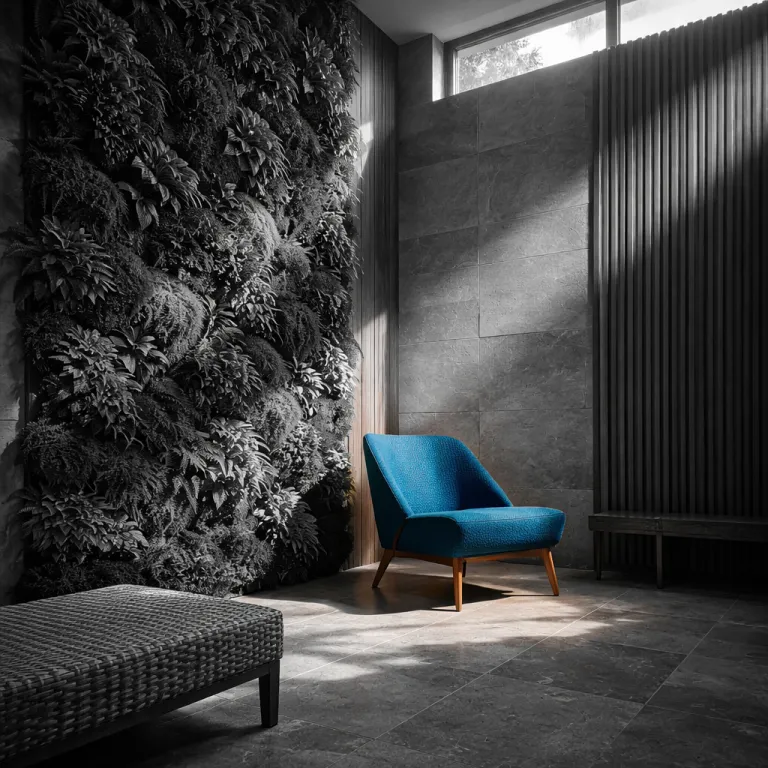
Biophilic hotel design wellness nature as a strategic advantage
Biophilic hotel design that foregrounds wellness and nature is no longer a niche promise for spa resorts. It has become a measurable strategy in luxury hospitality, where architecture, wellbeing and revenue now intersect in the same carefully orchestrated spaces. For couples choosing a hotel, the question is simple yet powerful: how does the built environment make you feel the moment you step inside?
Biophilic design means shaping architecture that connects a guest with nature through natural elements embedded in structure, not scattered as decoration. In hospitality this goes far beyond a few plants, using natural materials, calibrated daylight, water features and filtered air quality to create restorative environments that quietly support sleep, intimacy and mental clarity. When these design elements are handled with care, guests perceive a strong sense of place and report higher satisfaction, which translates into longer stays and more repeat bookings.
Data now backs what architects and interior design teams have long intuited about nature-centred hotels. A 2015 report by Terrapin Bright Green, for example, found that biophilic workplaces can increase productivity by 6–15% and improve perceived wellbeing, and hospitality studies echo similar gains in guest satisfaction and dwell time. Hotels that integrate nature-inspired architecture and genuine eco-friendly strategies often report higher occupancy, longer use of public spaces and stronger review scores, especially among couples seeking wellness-focused escapes. For a booking platform dedicated to architectural hotels, the role is to curate properties where nature-driven thinking is structural, where every corridor, terrace and suite is part of a coherent guest experience rather than a marketing story.
From decorative greenwashing to structural biophilic design
Many hotels now reference biophilic hotel design wellness nature in their marketing, yet only a fraction integrate it into the bones of the building. The difference between genuine biophilic design and decorative greenwashing is whether natural elements are carrying the architecture or merely softening it. As a guest, you feel this distinction in how you move through spaces, how you breathe and how well you sleep.
In a truly nature-inspired hotel, natural light is treated as a primary material, with glazing, shading and orientation planned from the first sketch. Interior design then layers natural materials such as stone, timber and clay, alongside water features and planting that respond to local climates rather than generic trends. These design elements shape environments where air quality, acoustics and thermal comfort are tuned for human bodies, not just for photographs. As one hospitality architect notes, “If the plants disappeared tomorrow, the building should still feel like it grew out of the landscape.”
Decorative greenwashing, by contrast, often means a marble lobby with potted palms and a sustainability page on the website that never reaches the guest experience. When you evaluate hotels, look for floor plans that blur indoor and outdoor spaces, terraces that extend living rooms and courtyards that anchor circulation. You can see this architectural thinking even in urban properties, from cool hotels in Nashville that carve out planted atriums and pocket gardens to coastal retreats that frame views as carefully as artworks and use operable glazing to pull in breeze, scent and sound.
How nature shaped architecture changes guest behaviour and wellness
Biophilic hotel design wellness nature is not just a visual preference; it measurably shifts how guests behave and how they rate their stay. Research in hospitality shows that when natural elements are integrated into the built environment, guests linger longer in lounges, bars and terraces. That extra dwell time often translates into higher spend, but more importantly, it signals that people feel genuinely at ease.
Studies referenced by leading design consultancies indicate that hotels with strong biophilic designs see longer guest dwell times in public spaces and higher repeat booking rates, especially among wellness-focused travellers. The “Human Spaces” report by Interface, for instance, found that people working in environments with natural elements report 15% higher wellbeing and 6% higher productivity, patterns that hospitality brands translate into guest satisfaction and loyalty. This aligns with broader wellness tourism data, where travellers report lower perceived stress and better sleep quality in environments with abundant natural light, views of nature and carefully controlled air quality. For couples, that can mean a stay where conversations stretch late into the evening on a shaded deck, rather than retreating early to escape harsh lighting or stale air.
One rainforest property in Costa Rica, Nayara Gardens, for example, uses terraced suites, open-air circulation and dense planting to create a continuous nature-inspired guest experience from arrival to check-out. Paths follow the contours of the land, water features double as habitat and soundscape, and natural materials keep interiors cool without over-reliance on mechanical systems. Publicly shared performance data from the resort and regional tourism bodies indicate consistently high occupancy, premium average daily rates and guest reviews that frequently reference the surrounding forest, wildlife and privacy as key reasons for returning. In such hotels, guest satisfaction is driven less by gadgetry and more by how well the architecture frames the surrounding nature and supports quiet, shared moments.
The maintenance reality behind living architecture and sustainability
For all its aesthetic appeal, biophilic hotel design wellness nature comes with a demanding maintenance reality that serious properties embrace rather than hide. Living walls, rooftop gardens and extensive water features require horticultural expertise, reliable irrigation and long-term investment. When owners and hotel developers commit to this work, the result is environments that age gracefully instead of fading after the first photo shoot.
Biophilic design that supports sustainability starts with durable natural materials and continues with systems that protect air quality and water use over decades. Green roofs must be engineered for load and drainage, while interior planting needs species selection that suits light levels and humidity in each space. Eco-friendly strategies such as natural ventilation, shading and low-energy lighting reduce operational costs, but only when integrated from the outset by biophilic designers and sustainability consultants. In practice, this can mean scheduled pruning and replanting every season, quarterly water-quality checks for pools and ponds, and periodic audits of energy performance to ensure systems are still aligned with the original design intent.
For guests, the maintenance story shows up in small details that shape perceived quality and customer satisfaction. Healthy plants, clean water features and well-maintained timber signal care, while tired greenery and malfunctioning systems quickly erode trust. When you browse architectural hotels, pay attention to how recently images were taken and how consistently nature appears across rooms, corridors and shared spaces; this often reveals whether biophilic designs are a living commitment or a one-time gesture. A property that invests in this ongoing care tends to see fewer complaints, stronger online ratings and a more loyal base of wellness-minded travellers.
Choosing nature inspired hotels on an architectural booking platform
On a curated booking site for architectural hotels, biophilic hotel design wellness nature becomes a practical filter rather than a vague promise. The aim is to help each guest read floor plans, sections and photography with the same clarity they bring to wine lists or spa menus. You are not just booking a room; you are choosing a built environment that will shape how you rest, reconnect and remember the trip.
Look for property descriptions that explain how design elements support the guest experience, not just list amenities. Does the hotel describe how natural light moves through suites, how terraces extend living spaces or how water features cool courtyards in hot climates? A serious platform will highlight whether biophilic design is structural, whether natural materials are locally sourced and how sustainability frameworks such as LEED or BREEAM guide long-term operations and reporting.
As you compare hotels, focus on how each one might create a sense of place that aligns with your own rhythms as a couple. Some guests will prefer dense urban environments where planted courtyards and rooftop gardens offer refuge above the city, while others will seek remote landscapes where architecture almost disappears into nature. For deeper insight into how sensory design shapes hospitality, you can explore analysis on why the conventional hotel lobby is giving way to more layered, nature-informed spaces that prioritise sound, scent and tactility over spectacle.
In practice, assessing a hotel’s biophilic credentials means asking three simple questions: is nature integrated into the structure, is it supported by long-term maintenance and sustainability strategies, and does it clearly enhance how guests feel and behave? When the answer is yes on all three, you are likely looking at a property where design, wellness and nature genuinely work together.
Frequently asked questions about biophilic hotel design
What is biophilic design in hotels
Biophilic design in hotels is an architectural and interior design approach that connects people with nature by incorporating natural elements into built environments. It uses natural light, views, planting, water features and natural materials as core design elements rather than decoration. The goal is to support wellness, comfort and guest satisfaction through spaces that feel calm, restorative and contextually grounded.
How does biophilic design benefit hotel guests
Biophilic design benefits hotel guests by enhancing relaxation, mental clarity and physical health through carefully planned environments. Research in environmental psychology links exposure to nature and natural elements with reduced stress levels and improved mood, which translates into better perceived sleep quality and overall satisfaction. In hospitality, this often shows up as longer dwell times in shared spaces, higher repeat booking rates and more positive reviews from wellness-focused travellers.
How can I tell if a hotel uses genuine biophilic design
You can usually recognise genuine biophilic design when nature is integrated into the structure of the building rather than added as surface decoration. Look for floor-to-ceiling windows, cross ventilation, interior courtyards, planted roofs and materials that reflect the local landscape. If a property only shows a few plants in the lobby but no meaningful indoor-outdoor connection in rooms or corridors, it is likely leaning toward decorative greenwashing.
Are biophilic hotels always more sustainable
Biophilic hotels often align with sustainability goals, but the two concepts are not automatically identical. A property can use natural elements for aesthetic appeal without strong energy performance, water management or responsible sourcing of materials. The most credible hotels combine biophilic design with clear sustainability frameworks, transparent reporting and long-term maintenance strategies for their living systems.
Is biophilic design only relevant for resorts in natural settings
Biophilic design is equally relevant for urban hotels, where access to nature is often limited in daily life. Architects can create nature-inspired experiences through planted courtyards, rooftop gardens, generous glazing, filtered air and tactile natural materials even in dense city centres. For travellers, these urban sanctuaries can offer a powerful contrast to the surrounding streets while still delivering the cultural and culinary access that city breaks provide.