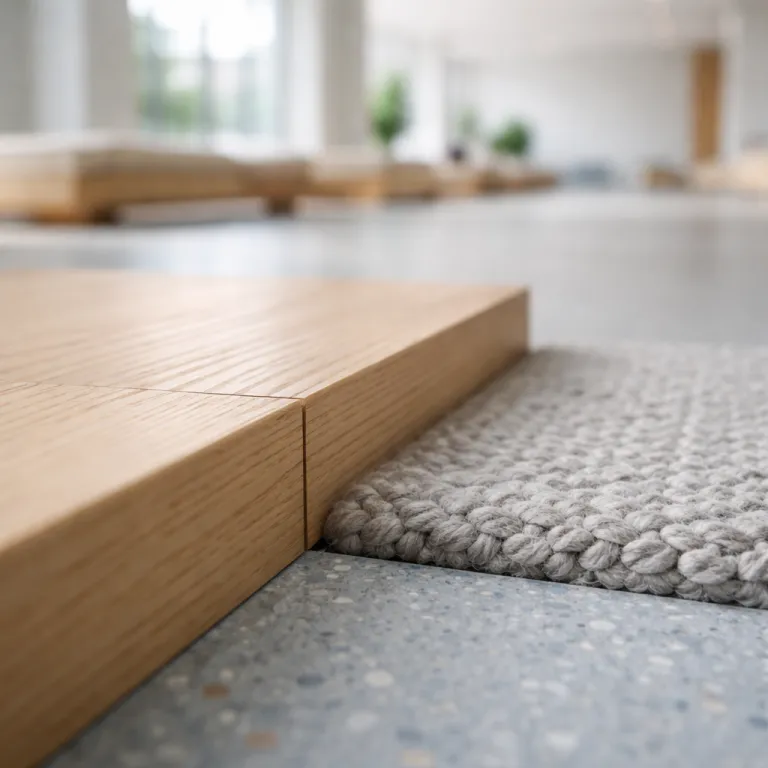
The shift from photogenic lobbies to spaces that feel right
The most interesting hotel lobby design sensory experience today is no longer about the perfect shot. Leading hotel design studios now start with how a guest will feel in the first thirty seconds, then let the visuals follow that emotional brief. This is the philosophical pivot reshaping hospitality, from luxury urban towers to a small hotel carved into a historic façade.
For years, many hotels treated the lobby as a theatrical backdrop, a space designed to impress feeds rather than guests. The result was spectacular images but thin guest experience, with echoing lobbies, hard materials and furniture that looked sculptural yet felt unforgiving after a long flight. The new generation of lobby design asks a harder question ; how will people feel in this space after ten minutes, and after an hour.
Interior designers, acoustic engineers and lighting specialists now collaborate from the first sketch of a hotel lobby. They use design software, acoustic modelling and lighting simulation to choreograph sound, light and materials as one integrated experience. This is where a modern hotel can quietly outperform a more obviously glamorous rival, because the sensory layers keep guests feeling grounded, rested and subtly cared for.
In this context, the front desk is no longer the star of the lobby. Instead, the lobby layout is treated as a sequence of micro spaces, each tuned to a different guest experience, from quick check in to longer communal tables for work or conversation. The most successful hotel lobbies balance generous floor space with intimate pockets, so guests feel both part of the scene and gently protected from it.
For design conscious travellers choosing between hotels, this shift matters. A hotel lobby that looks dramatic but ignores acoustics, lighting and tactility will feel tiring surprisingly fast. A lobby design that prioritises sensory comfort, by contrast, quietly raises guest satisfaction and often shapes the entire stay.
How the five senses quietly script your arrival
Walk into a well considered lobby and your body reads the space before your eyes do. Temperature, light levels, scent and sound all register within seconds, long before you notice the furniture or the art. This is sensory design in practice ; design engaging multiple senses to enhance guest experience.
Lighting is the most obvious but still often mishandled tool in hotel lobby design sensory experience. Research from the Lighting Research Center notes that the impact of lighting on mood reaches 80 % in controlled studies, which explains why leading hotels now layer warm light at eye level with softer natural light from clerestory windows or skylights. When natural light is limited, designers compensate with carefully tuned LEDs that shift colour temperature across the day, so guests feel the rhythm of time even in deep plan lobbies.
Sound is the most undervalued element in hotel architecture, yet it may define how guests feel about a lobby. Acoustic engineers now model how voices, luggage wheels and bar counters will sound across the floor space, then specify materials that absorb or diffuse noise. As one expert summary puts it with clarity ; What role does sound play in lobby design? Background music or ambient sounds influence atmosphere and comfort.
Scent has become a signature layer of hospitality, and not just in luxury hotels. Surveys show that a high proportion of hotels implement signature scents, because a subtle fragrance at the front desk can anchor memory and brand identity. When that aroma is paired with natural materials under hand, such as timber rails or stone check in counters, the tactile and olfactory cues combine to make guests feel unexpectedly at ease.
Biophilic design is the other quiet revolution in lobby ideas. Integrating plants, water, natural light and organic materials into hotel lobbies has been linked by DLR Group to longer dwell times and higher repeat bookings, which is exactly what a business leisure traveller extending a stay is unconsciously seeking. In practice, this might mean a small hotel in Guatemala City using a double height lobby space with indoor trees and filtered daylight, or a larger property using green walls and planters to break up communal tables and lounge zones.
For travellers browsing architectural hotels in Central America, for example, you can see this sensory first approach in several refined stays in Guatemala highlighted for design lovers. These properties use lobby layout, materials and lighting to make people feel held by the architecture rather than dwarfed by it. The result is a guest experience where the hotel lobby becomes a place you choose to linger, not just pass through.
From statement atrium to calibrated living room
The old statement lobby was a volume play ; higher ceilings, shinier surfaces, more dramatic art. The new generation of hotel lobby design sensory experience behaves more like a living room, where every piece of furniture, every shaft of light and every acoustic decision is calibrated for how guests will actually use the space. This is not about shrinking ambition, but about redirecting it from spectacle to long term comfort.
In Taipei, several leading properties show how a modern hotel can reconcile drama with intimacy. Some of the most interesting examples, profiled in depth in a guide to Taipei’s hotel experience and the art of hospitality, use double height lobbies with carefully tuned lighting and soft materials underfoot to keep sound levels civilised. Here, the front desk is often pulled to one side, allowing the central lobby space to function as a social salon with bar counters, communal tables and quieter corners for one to one meetings.
Digital layers now sit alongside physical materials in this evolution. Mobile check in reduces queues at the front desk, freeing the lobby layout from the old airport style rope lines and letting designers reclaim floor space for seating, art and greenery. When the digital journey is smooth, guests feel less rushed, which in turn makes them more receptive to the subtler sensory cues of light, scent and sound.
Acoustics, again, are critical to guest satisfaction in these new hotel lobbies. Hard stone, glass and metal can make even a visually stunning lobby feel harsh, so designers now mix in textiles, timber and acoustic panels disguised as art. The aim is a soundscape where you can hear a low conversation at your table but not the details of the one next to you, a balance that makes people feel both connected and comfortably anonymous.
For business leisure travellers, this shift has practical consequences. A lobby that functions as a calibrated living room, with reliable Wi Fi, generous natural light and a choice of seating at communal tables or softer lounge chairs, can replace the need for a separate co working space. When you are choosing between hotels for an extended stay, pay attention to how the lobby design supports both quick meetings and quiet solo work, because that will shape your daily rhythm more than any spa menu.
The business case for sensory first lobby design
Behind the aesthetics, hotel lobby design sensory experience is now a hard edged business strategy. In a competitive hospitality market, management teams know that the lobby is often the first and last physical touchpoint, and that it strongly influences reviews and repeat bookings. Data from Hospitality Design Magazine indicates that guest satisfaction can increase by around 20 % when sensory design principles are applied consistently in public spaces.
Biophilic design, signature scents and tuned acoustics are not just design indulgences. DLR Group has linked biophilic elements in public spaces to significantly longer dwell times and higher repeat booking rates, which directly supports revenue and loyalty. When guests feel comfortable enough to use the lobby as an extension of their room, they are more likely to order another drink at the bar counters, schedule informal meetings at communal tables and extend their stay.
There is also a long term operational argument. A lobby layout that separates quiet zones from high traffic paths reduces noise complaints and makes it easier for staff at the front desk to manage flows during peak check in times. Thoughtful hotel design, including limited but well chosen materials that age gracefully, means the space will patinate rather than deteriorate, keeping the guest experience consistent without constant refurbishment.
For travellers, the practical takeaway is clear ; read the lobby as a proxy for the hotel’s overall design intelligence. If the hotel lobby balances natural light with warm artificial lighting, if the furniture invites you to sit for more than a few minutes, if the sound level feels calm even when the space is busy, you can expect similar care in the rooms. When you are planning a high stakes business leisure trip, guides to booking luxury heritage hotels for exceptional travel experiences can help you identify properties where this sensory first philosophy runs through every space.
The question is not whether the statement lobby is obsolete, but how it is being reinvented. The most compelling hotel lobbies today still make an architectural gesture, yet they do so while respecting how a guest will move, pause, work and socialise across the day. For design literate travellers, that is where architecture stops being a backdrop and becomes an active part of how you feel on the road.
Key figures shaping sensory focused lobby design
- Studies referenced by Hospitality Design Magazine report that applying multisensory design strategies in hotel lobbies can increase guest satisfaction by approximately 20 %, underscoring the commercial value of sensory first spaces.
- Industry surveys cited in Hotel Management reporting indicate that around 75 % of hotels now implement some form of signature scent in public areas, reflecting how aroma has become a mainstream branding and guest experience tool.
- Research from the Lighting Research Center shows that about 80 % of measured mood variation in interior environments can be linked to lighting conditions, which explains the strong focus on layered light and natural light in contemporary lobby design.
- Analysis by DLR Group connects biophilic design elements in hospitality spaces with roughly 22 % longer guest dwell times and close to 19 % higher repeat booking rates, demonstrating a clear ROI for integrating nature into hotel lobbies.
- Design consultancies such as WATG highlight a broader interior design trend where the feel of a space now takes precedence over how it photographs, signalling a structural shift in how hotel design briefs are written and evaluated.