Explore contemporary hotel design stays: artful rooms, curated amenities, and local culture in top hotels. Find your ideal stay in New York City, San Francisco, and beyond.
Defining contemporary hotel design stays: the art of modern hospitality
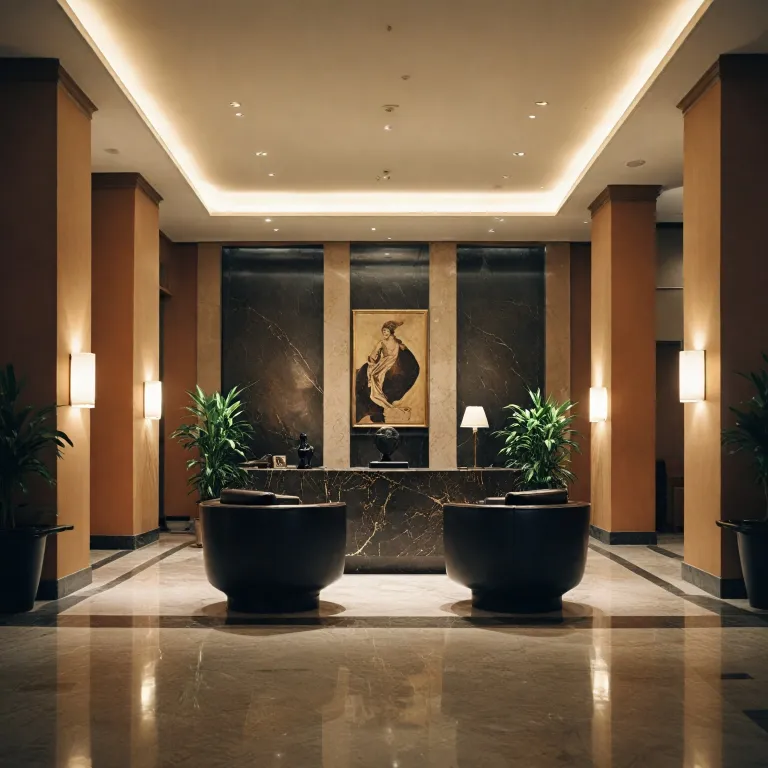
Contemporary hotel design stays are reshaping the hospitality landscape, offering guests immersive experiences that blend art, architecture, and comfort. Today’s hotels are more than just a place to book a room; they are curated environments where design-forward thinking meets the needs of modern travelers. In cities like New York City and San Francisco, hotels are integrating local art, innovative amenities, and sustainable practices to create memorable stays. The best hotels in these destinations often feature striking lobbies, thoughtfully designed guest rooms, and public spaces that reflect the character of their neighborhood. The influence of renowned designers such as André Fu, Kit Kemp, and Anemone Wille Våge is evident in properties that prioritize both aesthetics and functionality. For example, the hotel Greenwich in New York City showcases a blend of art deco elements and contemporary touches, while the Oasia Hotel Downtown in Singapore, designed by WOHA, is celebrated for its green facade and biophilic design. Guests can expect amenities like rooftop bars, curated art collections, and food and beverage concepts that highlight local flavors. These features not only enhance the guest experience but also set a new standard for what it means to stay in a hotel today.Integrating local culture and art: a sense of place in every stay
One of the defining aspects of contemporary hotel design stays is the integration of local culture and art into every facet of the property. Hotels in neighborhoods such as Soho, Greenwich Village, and the Lower East Side are embracing the unique history and creative spirit of their surroundings. By incorporating regionally sourced materials, showcasing local artists’ work in guest rooms and public spaces, and adopting architectural styles reflective of the area’s heritage, these hotels create a genuine sense of place. The Charlotte Street Hotel in London, designed by Kit Kemp, exemplifies this approach with its vibrant interiors and art-filled spaces. In New York City, hotels near Times Square and Wall Street are curating experiences that connect guests to the city’s dynamic energy. The best hotel stays are those where every detail, from the lobby design to the restaurant menu, is infused with local character. For travelers seeking authenticity, booking a room in a hotel that celebrates its neighborhood’s culture is a rewarding choice. For further insights on how local culture shapes hotel experiences, explore our comprehensive guide on architectural hotel design.Sustainability and biophilic design: connecting guests with nature
Sustainability is at the forefront of contemporary hotel design stays, with a growing emphasis on eco-friendly materials, energy efficiency, and biophilic design. According to recent industry data, 65% of hotels now incorporate biophilic elements, such as living walls, natural light, and indoor gardens. These features not only reduce environmental impact but also promote guest well-being by fostering a connection with nature. The Oasia Hotel Downtown in Singapore is a prime example, with its lush green facade and open-air spaces. In San Francisco, hotels are adopting similar strategies, integrating rooftop bars and terraces that offer panoramic views and fresh air. Guests can book rooms that feature sustainable amenities, from organic linens to energy-saving lighting systems. As one expert notes, “Biophilic design in hotels involves incorporating natural elements like plants, natural light, and materials to create a connection with nature, enhancing guest well-being.” For travelers who value sustainability, choosing a hotel that prioritizes green practices ensures a stay that is both luxurious and responsible. Learn more about sustainable hotel options in our article on eco-conscious hotel stays.Technological innovation: enhancing comfort and personalization
The best contemporary hotel design stays leverage technology to deliver seamless, personalized experiences. From smart room controls to AI-driven guest services, hotels are investing in innovations that make every stay more convenient. In major cities like New York and San Francisco, properties are introducing features such as mobile check-in, digital room keys, and personalized recommendations for food and beverage options. Guests can use their smartphones to adjust room temperature, order room service, or book amenities like spa treatments and rooftop bar reservations. These advancements are not limited to luxury hotels; even mid-range properties are adopting technology to enhance the guest experience. As highlighted in the dataset, “Contemporary hotels often feature smart room controls, AI-driven personalization, and seamless check-in/check-out processes to enhance guest convenience.” This commitment to innovation ensures that every guest, whether staying in a hotel on Warren Street or Castle Hill, enjoys a stay tailored to their preferences.Curated amenities and elevated dining: redefining the guest experience
Amenities play a crucial role in defining contemporary hotel design stays. Today’s travelers expect more than just a comfortable bed; they seek curated experiences that reflect the hotel’s design philosophy and location. Rooftop bars, art-filled lobbies, and signature restaurants are now standard features in many of the best hotels. In neighborhoods like Soho and the East Side, hotels are partnering with renowned chefs to create food and beverage programs that celebrate local flavors. Room service has evolved, offering guests the option to enjoy gourmet meals in the privacy of their rooms. The hotel Hudson in New York City, for example, is known for its vibrant bar scene and innovative amenities. Guests can book rooms with exclusive access to wellness facilities, private art tours, or personalized concierge services. These offerings not only enhance the stay but also create lasting memories. The integration of art deco design elements, curated photo collections, and thoughtful amenities ensures that every guest feels valued and inspired.Neighborhoods and locations: choosing the best contemporary hotel design stays
Location is a key factor when booking a contemporary hotel design stay. Whether you prefer the energy of Times Square, the charm of Greenwich Village, or the sophistication of Wall Street, there is a hotel to suit every preference. Hotels on Warren Street and in the Lower East Side offer unique perspectives on city life, with easy access to cultural attractions, shopping, and dining. The best hotels are those that not only provide exceptional rooms and amenities but also connect guests to the local community. Properties like hotel Greenwich and those in San Francisco’s design-forward districts are redefining what it means to stay in a hotel. Guests can explore nearby art galleries, enjoy rooftop bar views, and immerse themselves in the neighborhood’s creative scene. When choosing a hotel, consider factors such as proximity to public transportation, the quality of guest rooms, and the availability of amenities like room service and wellness facilities. By prioritizing location and design, travelers can ensure a memorable and enriching stay.Key statistics on contemporary hotel design stays
- 65% of hotels incorporate biophilic design elements, enhancing guest well-being and sustainability.
- There has been a 20% increase in guest satisfaction due to the integration of local culture in hotel design.
Frequently asked questions about contemporary hotel design stays
What is biophilic design in hotels?
Biophilic design in hotels involves incorporating natural elements like plants, natural light, and materials to create a connection with nature, enhancing guest well-being.
How are hotels integrating local culture into their design?
Hotels integrate local culture by using regionally sourced materials, showcasing local art, and incorporating architectural styles reflective of the area's heritage.
What technological advancements are common in contemporary hotel design?
Contemporary hotels often feature smart room controls, AI-driven personalization, and seamless check-in/check-out processes to enhance guest convenience.
References: Hospitality Design Trends Report, Hotel Guest Experience Survey, Hospitality Design Magazine.