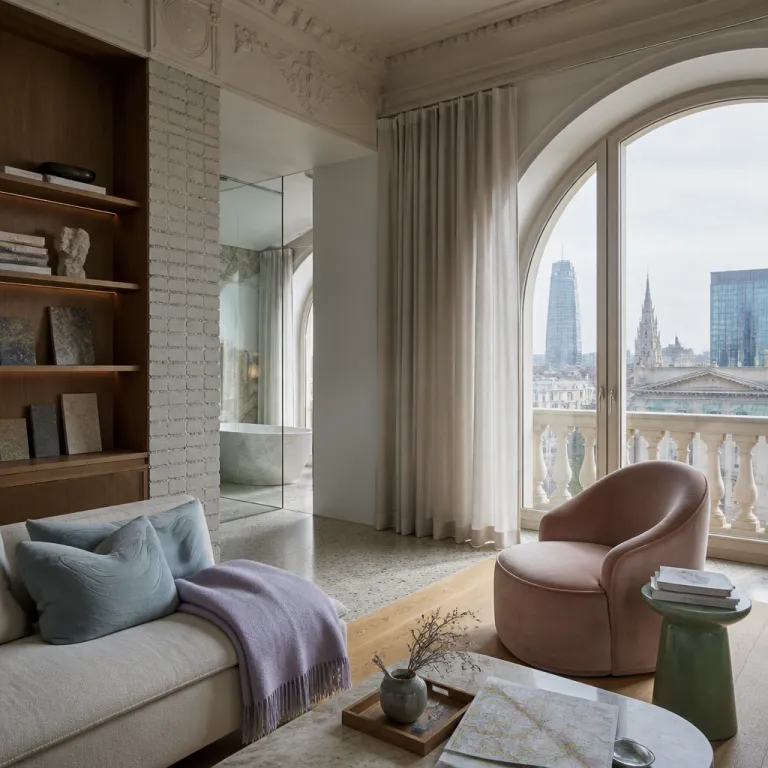
Choosing where to stay in Warsaw for an architectural city escape
Working out where to stay in Warsaw starts with understanding the city layout. The Polish capital is a layered metropolis, where each neighborhood reveals a different architectural chapter and a different style of stay. For luxury travelers, the right place to stay in Warsaw Poland balances design, heritage, and seamless access to culture.
The historic Stare Miasto, or Old Town, is the most atmospheric district for guests who want cobbled streets and pastel facades. Around the main square, reconstructed townhouses hide intimate boutique hotel addresses, while larger hotels and branded properties sit closer to the city center and the business district. This is where stay decisions become strategic, because you must weigh romance against convenience and the rhythm of everyday local life.
Śródmieście, sometimes written as Srodmiescie, is considered the safest and most central area to stay. Local guidance from the Warsaw Tourism Office confirms that “Śródmieście is considered safe and central.” Here, the Warsaw best luxury hotel options cluster around Nowy Świat and the grand avenues leading to the Palace of Culture and Science, giving you a refined base in the beating heart of the capital.
Travelers choosing where stay in this town should also factor in public transport links. The metro and tram network radiates from Śródmieście and the city center, making it easy to reach Praga, Saska Kępa, and Warsaw airport without stress. When you plan your stay Warsaw itinerary, consider how often you will cross the Vistula River and which areas you want to photograph, because that will shape the ideal place to stay.
Architectural hotels in Śródmieście and the city center
Śródmieście is the answer for many travelers asking where to stay in Warsaw for a first visit. This central Warsaw neighborhood combines pre-war townhouses, post-war modernism, and striking contemporary towers, all within walking distance of the Old Town and the Palace of Culture and Science. For design focused guests, it offers the densest cluster of architecturally interesting hotels Warsaw has created in its modern era.
Around Nowy Świat, the elegant boulevard often written as Nowy Swiat, you will find heritage hotel buildings with restored stucco, marble staircases, and curated art collections. These Warsaw best addresses include examples such as Raffles Europejski Warsaw at Krakowskie Przedmieście 13, with its contemporary Polish art gallery and suites overlooking Piłsudski Square, and Hotel Bristol, Warsaw at Krakowskie Przedmieście 42/44, a Neo-Renaissance landmark with a glazed winter garden and grand staircase. Both let you stay Warsaw style in a city center palace turned contemporary retreat, with suites overlooking the square and the skyline of the historic core. Many of these hotels also provide limousine or private car transfers to Warsaw airport, which is a discreet advantage after a long flight.
Closer to the business center, glass and steel towers host premium hotel Warsaw brands that celebrate vertical living and panoramic views. Properties such as the Warsaw Marriott Hotel above Warszawa Centralna station or the InterContinental Warszawa with its sky pool illustrate this high rise approach. Guests who appreciate bold architecture often compare these stays with other design driven capitals, using guides such as this resource on where to stay in Taipei for design driven luxury stays. In Śródmieście, you can book a high floor suite, watch the lights of Warsaw town flicker below, and still walk in minutes to public transport hubs that connect you to every area of Warsaw Poland.
When evaluating where stay in this area, pay attention to how each property engages with its architectural shell. Some hotels lean into mid century lines and original materials, while others soften brutalist forms with warm interiors and contemporary Polish art. Either way, Śródmieście remains the most practical place to stay for travelers who want the best balance of culture, convenience, and design in the central core.
Stare Miasto and Nowy Świat for heritage rich stays
For travelers who picture a romantic European town, Stare Miasto is often the first answer to where to stay in Warsaw. The Old Town was meticulously reconstructed after wartime destruction, and its colorful facades now form one of the most photogenic areas in Warsaw Poland. Staying here means waking up to church bells, cobbled lanes, and a square that feels like a living stage set.
Architectural hotels in this Warsaw neighborhood tend to occupy narrow, historic buildings with thick walls and intimate courtyards. Many guests choose this place to stay because every photo from their stay captures the essence of the old urban fabric, from Baroque church towers to the curve of the Vistula River beyond the defensive walls. The trade off is that rooms can be smaller than in the city center, but the atmosphere is unmatched.
A short walk away, Nowy Świat offers a different expression of heritage. This avenue, part of the Royal Route, links the reconstructed Old Town with the palace complex at Łazienki and the grand institutions of the modern capital. Choosing where stay along Nowy Świat suits travelers who want classic architecture, refined cafés, and easy access to both public transport and the cultural heart of Warsaw Poland.
From an architectural journalism perspective, this corridor between Stare Miasto and Nowy Świat illustrates how Warsaw best balances memory and modern life. Luxury hotels Warsaw has placed here often preserve original staircases and facades while adding contemporary interiors that photograph beautifully. If your priority is a heritage rich stay Warsaw experience, with every stroll offering a new photo angle, this is the area where to stay in Warsaw makes the most emotional sense.
Across the Vistula River: Praga, Praga Północ and Saska Kępa
Crossing the Vistula River changes the mood of your stay and reframes where to stay in Warsaw for creative travelers. On the right bank, Praga and Praga Północ reveal a rawer, more bohemian Warsaw neighborhood, where pre-war tenements and post-industrial spaces host galleries, studios, and emerging hotels. This is the area where street art, independent theatres, and experimental cuisine shape daily life.
Luxury and premium properties in Praga often occupy converted factories or carefully restored townhouses, offering a different kind of architectural narrative from the polished city center. Travelers who choose this place to stay usually value character over formality, and they appreciate how public transport links them back to Śródmieście in minutes. For many, a stay Warsaw side in Praga delivers the Warsaw best balance between authenticity, design, and access to the creative scene.
Further south along the river, Saska Kępa presents a leafy, residential counterpoint. This Warsaw neighborhood is known for its modernist villas, quiet streets, and cosmopolitan dining, making it a refined place to stay for guests who prefer discretion. Here, smaller architectural hotels and guesthouses sit within walking distance of the Vistula River boulevards, where locals jog, cycle, and gather for sunset photo moments over the skyline.
When deciding where stay on this side of Warsaw town, consider how often you plan to cross the river and which cultural venues matter most. Praga and Praga Północ suit travelers who want edgier galleries and nightlife, while Saska Kępa appeals to those seeking calm streets and mid century residential architecture. All three areas connect efficiently to Warsaw airport and the center via public transport, so your booking choice can focus on atmosphere rather than logistics.
Practical tips for booking architectural hotels in Warsaw
Once you have chosen where to stay in Warsaw, the next step is a strategic booking. Luxury and premium architectural hotels in Warsaw Poland can vary widely in layout, especially in historic buildings, so room selection matters. Always review floor plans and photo galleries carefully to understand how the architecture shapes your stay.
Properties in Stare Miasto and along Nowy Świat may offer unique attic suites with exposed beams, while high rise hotel Warsaw towers in the city center focus on skyline views over the downtown core. In Praga and Praga Północ, loft style rooms in converted factories often feature double height ceilings and original brickwork, which can be spectacular for design lovers. When you compare hotels Warsaw wide, filter for architectural details that align with your personal aesthetic, not just for the best rate.
Access is another key factor in deciding where stay. If you plan frequent day trips or late arrivals, check how close your chosen place to stay is to public transport hubs and how long transfers from Warsaw airport will take at different times of day. Central Śródmieście and the immediate city center remain the most efficient areas for movement, while Saska Kępa and riverside Praga reward guests who prefer quieter streets and are comfortable with short tram rides into the historic core.
For travelers who appreciate architectural storytelling, it can be helpful to look at other curated guides, such as this elegant guide to architectural stays in Marrakech. Applying the same lens to the Polish capital means asking how each hotel engages with its building, its neighborhood, and the wider narrative of Warsaw Poland. A thoughtful booking transforms your stay Warsaw from simple accommodation into a lived experience of the city’s evolving architecture.
Matching Warsaw neighborhoods to your travel style
Choosing where to stay in Warsaw is ultimately about aligning your travel style with the right Warsaw neighborhood. If you are a first time visitor who wants easy access to landmarks, museums, and fine dining, Śródmieście and the immediate city center offer the Warsaw best combination of convenience and architectural variety. These areas also suit business travelers who need quick connections to Warsaw airport and major corporate addresses.
Heritage enthusiasts and photographers often gravitate toward Stare Miasto and Nowy Świat. Here, every square, alley, and facade in Warsaw town tells a story, and the right place to stay becomes part of your visual narrative. A carefully chosen hotel Warsaw in this corridor allows you to step straight from your lobby into scenes that define Warsaw Poland in guidebooks and galleries.
Creative travelers, returning guests, and those who prefer emerging districts may find their ideal stay Warsaw side in Praga, Praga Północ, or Saska Kępa. These areas showcase the city’s evolving identity, from industrial conversions to modernist villas along the Vistula River. When you decide where stay in these neighborhoods, you trade a few extra minutes on public transport for a deeper connection with the everyday life of the capital.
Across all districts, the key is to view your hotel not just as a bed, but as an architectural lens on Warsaw Poland. Whether you choose a riverside address in Praga, a heritage townhouse near the Old Town square, or a glass tower in the center, your booking decision shapes how you experience the city. With thoughtful planning, where to stay in Warsaw becomes an integral part of the story you bring home.
Key statistics about where to stay in Warsaw
- The average price for a hotel night in Warsaw is around 100 USD, according to major hotel booking websites such as Booking.com and Expedia, which positions the city as a competitively priced European capital for luxury and premium stays.
- There are approximately 200 hotels in Warsaw, based on data from the Polish Tourism Organisation and the Warsaw Tourism Office, giving travelers a wide range of architectural styles and neighborhoods to choose from.
- Central districts such as Śródmieście concentrate a significant share of these hotels, which increases availability near major attractions and public transport hubs.
- Right bank districts like Praga and Saska Kępa have seen a rise in new accommodation openings, reflecting growing traveler interest in alternative Warsaw neighborhood experiences.
FAQ about where to stay in Warsaw
What is the safest area to stay in Warsaw ?
Śródmieście, often written as Srodmiescie, is widely regarded as the safest and most central area to stay in Warsaw, with a strong police presence, busy streets, and quick access to cultural institutions and public transport.
Are there budget friendly accommodations in Warsaw ?
Yes, there are budget friendly accommodations in Warsaw, particularly in Praga and some outer areas, where converted tenements and smaller hotels offer lower rates while still providing access to the city center via tram and metro.
Is public transport accessible from major hotels in Warsaw ?
Most major hotels in central districts such as Śródmieście, the city center, and key Warsaw neighborhood hubs are within a short walk of metro stations, tram stops, or bus routes, making it easy to reach Warsaw airport and other parts of the city.
How far is the city center from Warsaw airport ?
Warsaw Chopin Airport is roughly 8 to 10 km from the city center, and the journey to central hotels Warsaw typically takes 20 to 30 minutes by taxi or train, depending on traffic and time of day.
Which neighborhood is best for first time visitors to Warsaw ?
For first time visitors, Śródmieście and the adjacent Old Town and Nowy Świat corridor are usually the best choices, because they combine walkable access to major sights with a wide range of architectural hotels and efficient public transport connections.
References: Polish Tourism Organisation; Warsaw Tourism Office; Booking.com; Expedia; Major international hotel booking platforms.