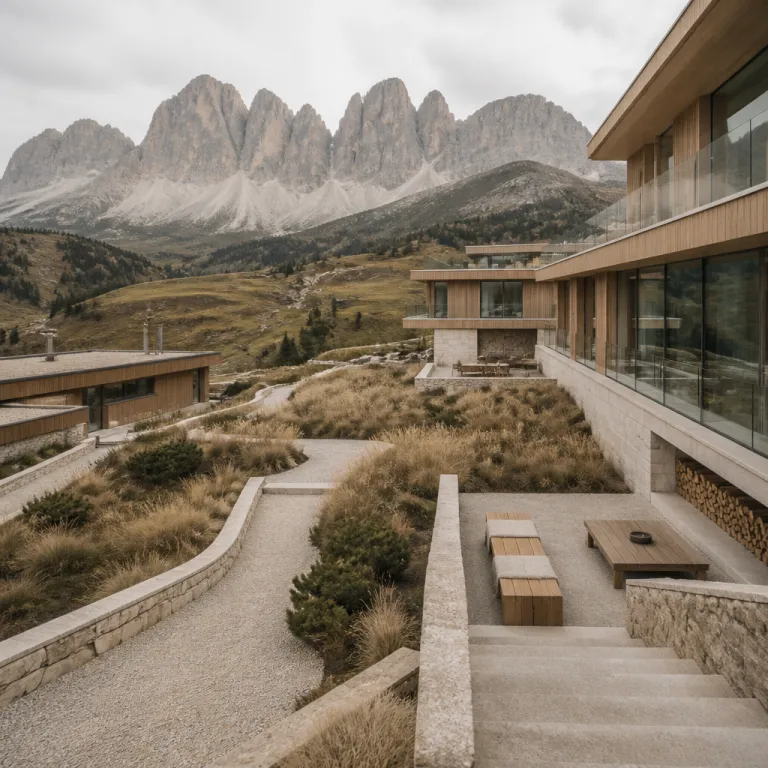
Why luxury hotels in the Dolomites define the remote mountain escape
Luxury hotels in the Dolomites offer a rare balance between raw alpine drama and refined architectural calm. These retreats are designed as sculptural sanctuaries, where every high-end property frames a different mountain peak and every corridor feels intentionally quiet. For guests who value design as much as comfort, this region of Italy has become one of the most compelling high-altitude retreats in Europe.
The most sought-after luxury hotels across the Dolomites share three pillars: strong architectural identity, discreet service, and immersive access to nature. Properties such as Forestis on Mount Plose or the historic Rosa Alpina in San Cassiano show how a mountain resort can echo local materials while still feeling resolutely contemporary. Compared with urban five-star hotels, the difference lies in how these buildings almost disappear into the landscape, allowing the Dolomite peaks to remain the main spectacle.
Remote retreats in South Tyrol and the wider Tyrolean Dolomites are especially appealing for travelers who want silence without sacrificing a full spa-resort experience. Many of these luxury hotels offer indoor and outdoor pool zones, panoramic saunas, and treatment suites that open directly onto forest or snow. For guests planning a stay, it is wise to check availability early because the best-designed properties often have limited rooms and a high number of repeat guests; regional tourism data for South Tyrol indicates that upscale mountain hotels can reach occupancy levels above 70% in peak seasons.
Choosing the right area in the Dolomites for your remote stay
Location shapes everything when you select between luxury hotels in the Dolomites. A hotel in South Tyrol near Val Gardena or Alpe di Siusi will suit travelers who want ski access in winter and gentle hiking routes in summer. By contrast, a five-star property in Cortina d'Ampezzo places you in a historic resort town with more nightlife, designer shopping, and a wider choice of restaurants.
For remote retreats, many guests prefer the quiet valleys of Alta Badia, Alta Pusteria, or the slopes above San Candido. These areas combine dramatic mountain scenery with efficient access to ski lifts, well-marked hiking trails, and family-friendly infrastructure. When you browse Dolomites hotel listings, use filters for spa facilities, pools, and ski-in/ski-out access to refine the options that match your travel style.
Travelers who enjoy high-altitude destinations often compare these Italian mountains with other design-led regions such as Colorado; if you are researching where to stay for high-altitude thrills and refined comfort, a detailed guide to mountain lodging can help you benchmark Dolomites resorts against North American icons. Remote luxury hotels in the Dolomites generally offer a more compact village scale, shorter walking distances, and a stronger sense of local culture than many large-scale ski resorts. This makes them ideal for guests who value intimacy and architectural character over vast, anonymous complexes.
Architectural highlights of luxury hotels in the Dolomites
Architecture is the quiet signature of the best luxury hotels Dolomites travelers choose for remote retreats. Forestis, for example, rises as a trio of slender towers above the forest on Mount Plose, with each suite oriented toward the mountain skyline. Rosa Alpina in San Cassiano blends traditional alpine forms with modern lines, creating a resort atmosphere that feels both rooted and serene.
Many five-star hotels in South Tyrol reinterpret the classic mountain chalet with clean façades, generous glazing, and natural materials such as larch, stone, and wool. This design language allows each hotel with mountain views to frame the Dolomites as living artwork, whether you are relaxing in the spa, swimming in the pool, or dining by candlelight. When you read reviews, pay attention to how guests describe the sense of space, light, and privacy, because these details often matter more than the number of restaurants or bars.
Travelers interested in architectural storytelling may also appreciate other Italian design-led stays, such as a cave hotel experience in Matera that shows how history and luxury can coexist in stone-carved spaces. In the Dolomites, the same philosophy applies: the most memorable properties integrate local craftsmanship, subtle references to mountain life, and contemporary comfort. This approach turns a simple night in a five-star hotel into an immersive encounter with place rather than just another stay in a generic room.
Wellness, spa rituals, and slow time in remote Dolomite retreats
Wellness is central to the appeal of luxury hotels in the Dolomites, especially for guests seeking remote retreats. A well-designed spa resort in South Tyrol often includes multiple saunas, steam rooms, quiet lounges, and treatment cabins with direct mountain views. Many hotels across the region now integrate local herbs, alpine water, and forest-inspired rituals into their spa menus, with typical offerings ranging from hay-bath treatments to pine-oil massages.
After a day of ski touring or summer hiking, returning to a warm pool with a view of the peaks feels deeply restorative. Some five-star properties offer adults-only spa zones, while others create family-friendly hours so that parents and children can enjoy the facilities together. When you check availability, look carefully at spa opening times, included treatments, and whether access is part of the base price per night or charged as an extra; in many upscale Dolomite resorts, basic spa entry is included, while signature rituals and private suites are billed separately.
Remote wellness-focused resorts in Alta Badia, Alta Pusteria, and near Alpe di Siusi often emphasize slow time: long breakfasts, unhurried treatments, and quiet evenings by the fire. Guests who value privacy should consider a hotel with a limited number of rooms, where the spa rarely feels crowded. If you are comparing luxury hotels, Dolomites reviews that mention noise levels, spa etiquette, and staff attentiveness will help you choose the best match for your personal rhythm.
Seasonal activities ; ski, hiking, and family friendly adventures
Remote luxury hotels in the Dolomites are not only about stillness; they are also gateways to active days in the mountains. In winter, a hotel near Cortina d'Ampezzo, Val Gardena, or Alpe di Siusi offers direct access to some of the best ski terrain in Italy. Many upscale properties provide heated ski rooms, private shuttles to lifts, and partnerships with local guides for off-piste adventures.
During the warmer months, hiking becomes the main draw, with trails that range from gentle meadow walks to demanding high-altitude routes. Families often appreciate resorts in South Tyrol and Alta Pusteria, where well-marked paths, mountain huts, and playgrounds make it easy to plan multi-generational days outdoors. When you read reviews, look for comments about trail access directly from the hotel, because this can save time and avoid crowded parking areas.
Some luxury hotels throughout the Dolomites also organize guided excursions to nearby villages such as San Candido, or to panoramic plateaus above Val Gardena and Alta Badia. These curated experiences allow guests to enjoy both cultural visits and mountain scenery without worrying about logistics. If you are comparing offers, check availability for seasonal activity packages that combine accommodation, lift passes, and guided tours at a transparent price per night; typical premium packages in renowned Dolomite resorts can easily start from several hundred euros per room per night in high season.
How to evaluate price, value, and authenticity in Dolomite luxury stays
With dozens of luxury hotels operating across the Dolomites, choosing the right one requires a clear sense of value. Price per night varies widely between a remote spa resort in Alta Pusteria and a historic grand hotel in Cortina d'Ampezzo, even when both carry a similar star rating. To judge fairly, consider what is included: half-board dining, spa access, ski passes, or guided hiking can significantly shift the real cost.
Guest reviews remain one of the most reliable tools for assessing whether a five-star hotel delivers on its promises. Pay attention to patterns in comments about service, cleanliness, and how staff handle special requests from family travelers or solo guests. When a hotel with mountain views consistently earns praise for attentive service and honest communication about offers, it usually indicates strong management and a trustworthy approach.
For travelers who prioritize architecture, design-focused platforms can help you filter options and view details about layout, materials, and setting; one example is an architectural hideaway in the Alps that showcases how a hotel can merge bold design with warm hospitality. When you check availability on any booking website, verify cancellation terms, deposit rules, and whether taxes are included in the displayed price per night. This careful approach ensures that your chosen luxury stay in the Dolomites feels both indulgent and financially transparent.
Remote retreats and the future of architectural luxury in the Dolomites
The rise of remote retreats in the Dolomites reflects a broader shift in luxury travel. Guests are moving away from showy urban hotels toward quieter properties where architecture, landscape, and wellness form a coherent whole. In South Tyrol and the wider Tyrolean Dolomites, this has encouraged hoteliers to invest in eco-friendly construction, energy-efficient systems, and designs that respect local heritage.
Many new hotels across the Dolomites now integrate local culture into their architecture and interior design, from traditional woodwork to contemporary art by regional creators. This innovation aligns with the goal of enhancing guest experience while preserving the character of mountain villages. Industry analyses of high-end hospitality in the Alps highlight three priorities for modern luxury stays in the region: eco-friendly accommodation, wellness-focused amenities, and authentic local experiences.
For travelers, this means that a stay in a luxury resort near Val Gardena, Alta Badia, or San Candido can feel both indulgent and responsible. When you compare five-star properties, look for clear sustainability policies, partnerships with local producers, and transparent communication about environmental impact. Over time, these choices by guests and hoteliers together will shape the next generation of luxury hotels throughout the Dolomites, ensuring that remote retreats remain both beautiful and viable for decades.
Key figures and statistics about luxury hotels in the Dolomites
- Specialist hotel collections and regional tourism boards together list several dozen luxury hotels operating across the Dolomites region, indicating a dense concentration of high-end properties for a relatively compact mountain area (figures may vary over time as new openings and rebrandings occur).
- These upscale hotels are spread across multiple valleys, including South Tyrol, Alta Badia, Alta Pusteria, and areas near Cortina d'Ampezzo, which allows travelers to match specific landscapes and activity profiles with their preferred resort style.
- Luxury hotels in the Dolomites operate year-round, with peak demand in winter for ski holidays and in summer for hiking, so booking several months in advance is recommended for the best room categories.
- Most high-end properties in the Dolomites now include spa facilities, reflecting a regional trend toward wellness-focused stays where guests expect saunas, pools, and treatment rooms as standard rather than optional extras.
- Local tourism boards and luxury travel planners report a steady increase in demand for eco-conscious and architecturally distinctive properties, which is encouraging more five-star hotels to invest in sustainable design and authentic local experiences.
Frequently asked questions about luxury hotels in the Dolomites
What is the best time to visit the Dolomites for a luxury hotel stay ?
The ideal time depends on your preferred activities and atmosphere. Winter is the best period for a ski-focused stay, with many five-star hotels offering direct access to lifts and snow-sure slopes. Summer suits guests who prioritize hiking, long daylight hours, and warm evenings on panoramic terraces.
Are luxury hotels in the Dolomites family friendly ?
Many luxury hotels in the Dolomites are designed with family needs in mind. You will find connecting rooms, kids' menus, and family spa hours in numerous resorts across South Tyrol, Val Gardena, and Alta Pusteria. Always check individual hotel policies, because some properties focus more on adults seeking quiet remote retreats.
Do luxury hotels in the Dolomites offer spa services ?
Most high-end hotels in the Dolomites provide extensive spa facilities as a core part of their experience. Expect saunas, steam rooms, relaxation lounges, and at least one indoor pool, often with mountain views. When comparing offers, verify whether spa access is included in the price per night or charged separately.
How far in advance should I book a remote luxury retreat in the Dolomites ?
For peak winter ski weeks and prime summer hiking periods, booking three to six months ahead is prudent. Remote spa-resort properties with limited rooms in areas such as Alta Badia or near San Candido can sell out even earlier. Use flexible dates when you check availability to secure the best room types and rates.
Which areas are best for a quiet, design focused stay in the Dolomites ?
Travelers seeking architectural character and calm often choose South Tyrol valleys such as Alta Badia, Alta Pusteria, and the slopes above Val Gardena. These regions host several design-led luxury hotels where the building, spa, and landscape form a coherent whole. If you prefer a livelier atmosphere with more shops and restaurants, Cortina d'Ampezzo offers a different but still refined style of mountain resort.