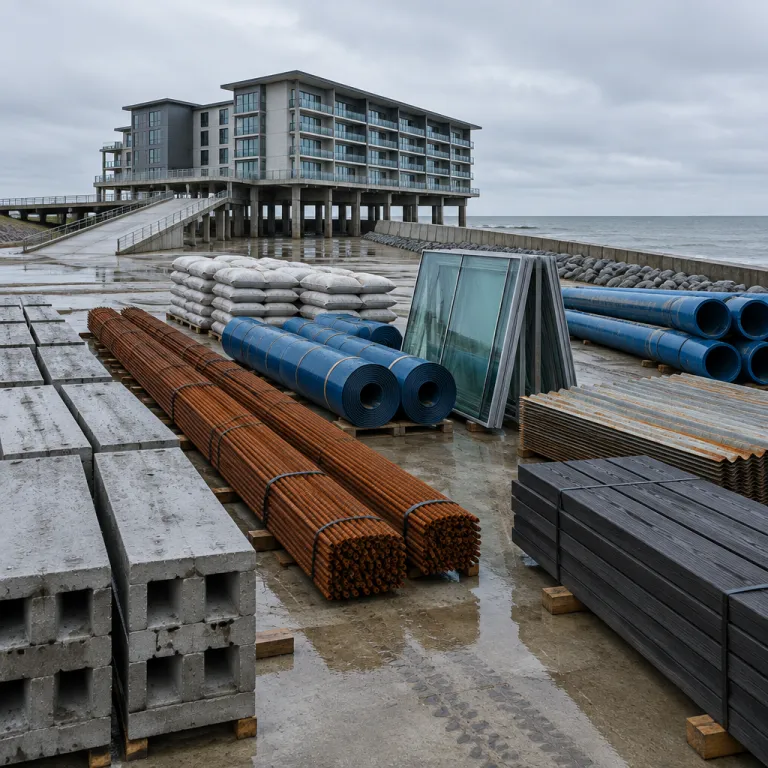
From glass temples to climate resilient hotel architecture
Luxury hospitality is shifting from fragile glass temples toward climate resilient hotel architecture that treats every building as coastal infrastructure. Architects now approach each hotel as a long term asset that must deliver high performance under volatile weather conditions, not just look striking at sunset. For design conscious travelers, this change means the most compelling properties are those where climate resilience quietly shapes every space you move through.
At the top end of the market, climate resilient hotel architecture for hurricane and flood conditions in 2026 and beyond has become shorthand for a new planning design mindset that fuses aesthetics with engineering discipline. Owners are commissioning climate responsive systems that anticipate climate change, climate risk and climate risks over the next five decades, rather than designing only for historic weather patterns. This future climate thinking is rewriting briefs in Miami, the Caribbean, the Gulf Coast and across Asia’s typhoon belts, where extreme weather is no longer an exception but a seasonal rhythm.
For you as a guest, the question is simple yet increasingly strategic. Which hotel has invested in resilient construction, climate adaptation and building performance that will keep you safe, comfortable and connected when weather events turn severe? The answer lies in how each property handles water, energy, structure and management systems, because these elements together improve resilience and help create a genuinely climate resilient stay rather than a fragile stage set.
Hurricane resistant structures and invisible protective systems
In hurricane exposed regions, the most advanced hotels now treat the entire building as a protective shell rather than a decorative object. Structural engineers are shaping aerodynamic profiles that reduce wind risk, while resilient construction details such as deep pile foundations, continuous load paths and reinforced concrete cores quietly carry the real climate resilience burden. You may never notice these systems during a calm check in, yet they define how the hotel will perform when extreme weather arrives at night.
Impact rated glazing is now standard in serious climate resilient hotel architecture and hurricane resistant design projects along the Atlantic and Gulf coasts. Many coastal resorts, for example, specify laminated glass tested to ASTM E1996 and E1886 standards, with systems rated for wind speeds above 150 mph and large missile impacts. Behind the glass, back up energy infrastructure, from elevated generators to protected switch rooms, ensures that building performance and guest safety remain stable even when the grid fails.
Material choices are evolving as well, with many luxury properties pairing concrete frames with engineered timber interiors to balance resilience and warmth. For travelers interested in how resilient construction and construction costs intersect, the new generation of timber rich hotels shows how planning design can reduce embodied carbon while still meeting strict hurricane codes. A detailed look at cross laminated timber and its role in hotel development is explored in our guide to timber led hotel construction, which explains how this material helps create both structural resilience and a calmer interior atmosphere.
Flood ready lobbies, sacrificial floors and water smart landscapes
Flood risk is now the defining design climate parameter for many coastal and riverfront hotels. Architects are responding with elevated lobbies, raised mechanical floors and ground level spaces that are deliberately designed as sacrificial zones when water surges. As a guest, you might walk through a serene arrival hall without realizing that the real lobby sits one level above historic flood lines, a quiet expression of climate adaptation rather than theatrical drama.
In advanced climate resilient hotel architecture and flood adaptive design schemes, water is treated as both a threat and a design tool. Landscape architects sculpt terraces, bioswales and retention basins that slow and redirect water away from guest rooms, while permeable paving and planted courtyards improve resilience by allowing controlled flooding in non critical areas. These climate responsive outdoor systems reduce climate risk and climate risks for the entire property, often lowering long term maintenance and insurance premiums at the same time.
Back of house management teams now rehearse flood scenarios with the same precision once reserved for VIP arrivals. This operational resilience, combined with robust infrastructure and clear emergency routes, means that when weather conditions deteriorate you are guided through spaces that were planned for safe vertical evacuation. If you want to read a building before you book, our piece on how architecture reveals a hotel’s true character explains how to read plinth heights, stair locations and landscape levels as subtle indicators of flood aware design.
Heat, shade and the new language of resort comfort
Rising temperatures are quietly rewriting resort architecture from Arizona to the Maldives. The glass heavy aesthetic that once signaled luxury is giving way to deeper overhangs, thicker walls and shaded courtyards that respond to a changing climate with timeless passive cooling strategies. For business leisure travelers extending a trip, this shift means more comfortable terraces, cooler corridors and a calmer relationship between interior and exterior spaces.
Design teams working on climate resilient hotel architecture briefs that address hurricanes, floods and heat now treat temperature as a primary climate risk, not a secondary comfort issue. They model future climate scenarios to understand how extreme weather and prolonged heat waves will affect building performance, energy demand and guest experience over the long term. The most advanced properties use climate responsive façades, operable shading and cross ventilation to reduce energy loads, which in turn stabilizes operating costs and supports more predictable insurance and financing models.
Inside the rooms, you will notice higher ceilings, ceiling fans paired with efficient cooling systems and carefully oriented glazing that frames views without inviting harsh afternoon sun. These choices are not just aesthetic; they are part of a broader climate resilience strategy that helps create thermal comfort even during grid stress or partial system failures. When you choose a hotel that has invested in this level of planning design, you are effectively choosing a microclimate that will remain pleasant while outside weather events become increasingly intense.
The insurance, cost and management logic behind resilient hotels
Behind every climate resilient hotel is a spreadsheet where insurance, construction costs and long term operations quietly dictate design decisions. Insurers now scrutinize climate risk exposure, flood histories and structural systems before setting insurance premiums, which means that resilient construction can translate directly into lower annual costs. For owners, this financial logic is turning climate resilience from a marketing narrative into a hard requirement that shapes every line of the brief.
Projects aligned with climate resilient hotel architecture and hurricane flood design principles typically front load investment into structure, envelope and infrastructure rather than short lived finishes. While this can raise initial development budgets, it often reduces lifecycle costs by improving building performance, lowering energy consumption and minimizing damage after extreme weather events. Over a decade, the combination of reduced downtime, more stable insurance premiums and fewer major repairs can outweigh the early capital expenditure.
From a guest perspective, this financial and management discipline shows up as reliability. Power stays on, water pressure remains stable and key services continue even when surrounding neighborhoods are struggling with climate change impacts. When you evaluate a potential stay, look for transparent communication about climate resilience measures, clear emergency procedures and evidence of ongoing maintenance, because these signals indicate a management culture that treats climate risks as a core operational priority rather than a compliance checkbox.
How to choose climate resilient hotels on an architectural booking platform
For travelers using a curated architectural booking platform, the goal is to translate climate resilience into clear, bookable criteria. Start by examining how each hotel describes its building, infrastructure and systems, looking for specific references to flood mitigation, hurricane resistant structure and climate adaptation rather than vague sustainability language. Properties that take climate risk seriously usually explain their design climate assumptions, emergency planning and long term resilience strategy in concrete terms.
On architectural-stay.com, we evaluate climate resilient hotel architecture and storm ready design projects by looking at both hard and soft indicators of resilience. Hard indicators include elevated critical infrastructure, redundant energy systems, robust water management and structural strategies tailored to local weather conditions and future climate projections. Soft indicators involve staff training, crisis communication, guest guidance and the way management integrates climate change scenarios into daily operations and long term planning.
When you filter for high design stays, pay attention to how outdoor spaces handle water and heat, how circulation routes support safe movement during weather events and how private areas balance openness with protection. Our curated collections, including architecturally led retreats with in room pools highlighted in the guide to elevated privacy and pool design, now factor climate resilience into every recommendation. Choosing these properties does not just improve resilience for your own trip; it signals to the market that climate responsive development is a baseline expectation for luxury travel, not an optional upgrade.
Key figures shaping climate resilient hotel design
- According to the United Nations World Tourism Organization, hotels and other accommodation account for roughly 1% of global carbon emissions, which makes energy efficient building performance and climate responsive design a critical lever for climate adaptation in the sector. See the UNWTO “Hotel Energy Solutions” and related climate reports at unwto.org.
- Data from the Insurance Information Institute shows that insured losses from natural catastrophes in the United States have more than doubled over the past two decades, pushing insurers to link insurance premiums directly to climate risk mitigation measures such as resilient construction and elevated infrastructure in coastal hotels. Summary statistics and charts are available at iii.org.
- The Intergovernmental Panel on Climate Change reports that sea levels are projected to continue rising for centuries, which means that new waterfront hotel development must incorporate long term flood management strategies, sacrificial ground floors and robust water systems to remain viable. Key findings can be explored in the IPCC Special Report on the Ocean and Cryosphere at ipcc.ch.
- Research by the International Energy Agency indicates that improving energy efficiency in buildings could reduce related emissions by up to 40%, underscoring how climate resilient hotel architecture that prioritizes passive cooling, shading and efficient systems helps create both lower emissions and more stable operating costs. The IEA “Energy Efficiency 2021” and buildings sector analyses at iea.org provide detailed figures.
- Studies from the Global Facility for Disaster Reduction and Recovery suggest that every dollar invested in resilient construction and climate adaptation can save multiple dollars in avoided damage and business interruption, a ratio that is particularly relevant for high value coastal and island hotels exposed to extreme weather events.
FAQ: climate resilient hotel architecture and your stay
How can I tell if a hotel is designed for hurricanes and floods?
Look for clear information about elevated structures, flood defenses and emergency procedures in the hotel’s description and policies. Properties serious about climate resilience usually mention impact rated glazing, raised mechanical rooms, backup power and water management systems tailored to local weather events. Satellite images and photos can also reveal whether the main lobby and critical spaces sit above known flood levels.
Does climate resilient design make a hotel more expensive to stay in?
Initial construction costs for resilient buildings can be higher, but these investments often reduce long term operating expenses and insurance premiums. Many hotels absorb these savings into stable pricing rather than charging a visible premium for resilience. For guests, the value lies in greater safety, comfort and continuity of service during extreme weather, which can be decisive on critical business leisure trips.
Why should business travelers care about climate resilience when booking?
Business leisure travelers rely on uninterrupted connectivity, predictable schedules and safe environments, all of which are threatened by climate change and extreme weather. A climate resilient hotel is more likely to maintain power, communications and basic services during disruptions, protecting both your work commitments and your personal safety. Choosing such properties also supports development models that integrate climate risk into serious planning design rather than superficial marketing.
Are older hotels capable of meeting new climate resilience standards?
Many existing hotels can significantly improve resilience through targeted retrofits such as flood barriers, upgraded glazing, reinforced roofs and modernized energy systems. While not every building can reach the same performance level as a new climate responsive project, thoughtful upgrades can reduce climate risks and extend the future climate viability of well located properties. When researching, look for evidence of recent renovation focused on structure, infrastructure and water management rather than only cosmetic refreshes.
What role does insurance play in shaping hotel climate adaptation?
Insurers increasingly price policies based on detailed assessments of climate risk, building performance and resilience measures, which directly affects a hotel’s financial health. Properties that invest in resilient construction, robust infrastructure and strong management systems often secure better coverage and more manageable premiums. This insurance architecture nexus is one reason climate resilient hotel architecture and hurricane flood design has moved from niche interest to mainstream requirement in exposed destinations.
Sources
- United Nations World Tourism Organization (UNWTO)
- Intergovernmental Panel on Climate Change (IPCC)
- International Energy Agency (IEA)