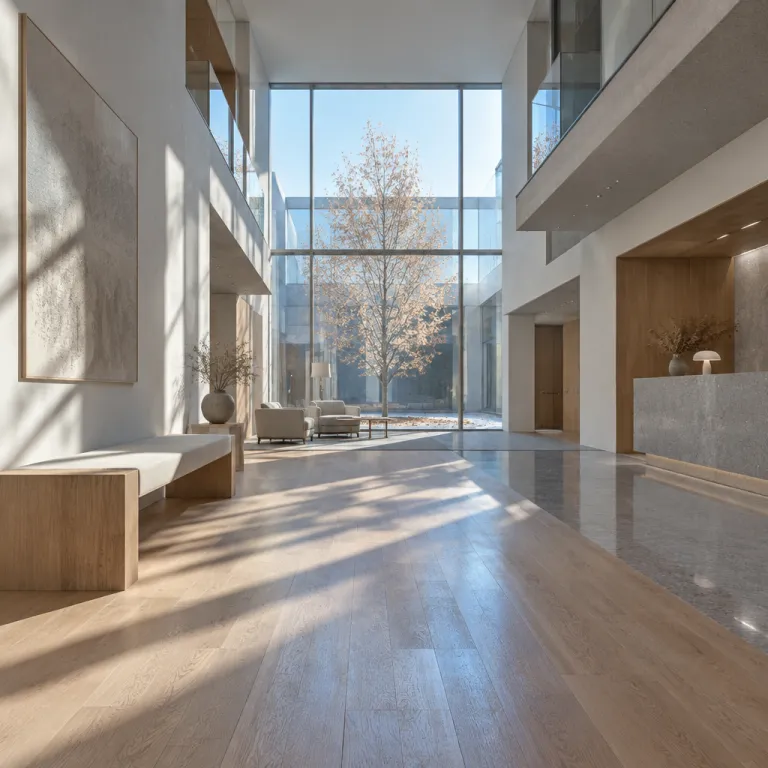
Why autumn design hotels feel different when the light drops
Autumn design hotels are built for the moment the sun lowers. The best hotel architecture treats the season as a material, using glazing, siting and section to choreograph how guests move through fall light and watch foliage change hour by hour. When you plan a stay, you are not just booking a room, you are choosing how a property will frame the landscape in autumn.
Orientation is everything in these hotels, because the low sun angle in fall stretches shadows and turns even a modest lake or valley view into a cinematic backdrop. South and west facing façades catch the warmest light, while carefully placed overhangs prevent glare yet still let the autumn glow reach deep into the room. Before you travel, check which categories actually face the foliage rather than just mentioning it in reviews or marketing copy, and look for simple orientation diagrams or sunrise and sunset times in the hotel’s seasonal guide.
Architects working on autumn focused properties think in minutes and degrees, not just in square metres. They study how the sun tracks across hiking trails, woodland paths and nearby lakes, then align windows so guests see fall foliage at breakfast, late afternoon and by the fire after dark. As architect Anna Popov notes in Architectural Record, “the most successful resort plans are drawn around the path of the sun, not the car park,” a principle that becomes especially clear in October and November. When a hotel does this well, you feel the day turning, and the stay becomes a quiet road trip through time rather than distance.
Windows, courtyards and the architecture of seasonal light
In autumn oriented hotels, glass is not a viewfinder, it is a timekeeper. Floor to ceiling windows, corner glazing and clerestory bands are calibrated so that as fall advances, the foliage outside reads like a slow moving installation. A well designed inn or hotel will use these elements to pull the outside in, so guests feel the season even from a queen bed with a book and a blanket.
Courtyards and atriums become crucial in autumn, because they trap low sun and reflect it back into circulation spaces that might otherwise feel cold. When a property wraps rooms around a planted court, you gain sheltered access to light, fire pits and wildflower farms style planting long after the main hiking trails have emptied for the day. At Wildflower Farms in the Hudson Valley, for example, the Ridge Suites are angled south west toward the Shawangunk Ridge, while Meadow Cottages open onto internal clearings that hold light and warmth well past sunset in October.
Material choices matter as much as glazing in these hotels, and the most thoughtful destinations accommodation concepts pair stone, timber and wool to echo the landscape outside. Architects who win industry recognition understand what some call the invisible architecture of comfort, the subtle patterns that make a stay feel intuitively right in a shoulder season. For a deeper look at how these design patterns shape hospitality, read our analysis of invisible architecture and hotel design recognition, then apply that lens when you check availability for your own autumn trip.
Fireplaces, thresholds and the warmth of an autumn stay
Once the sun drops earlier, fall focused hotels rely on thresholds to keep the season alive. Covered terraces, screened porches and partially enclosed decks extend the day, letting guests sit near fire pits while still feeling the crisp air and smelling damp woodland trails after rain. The most successful hotels treat these in between spaces as living rooms rather than leftover balconies.
Inside, fireplaces and stoves are placed with almost urban planning precision, anchoring lounges, libraries and even some room layouts. When a queen bed is oriented toward both a window and a hearth, you can watch fall foliage fade to dusk and then pivot naturally toward the fire without moving more than a few steps. Daily housekeeping quietly resets these spaces, so the choreography of blankets, logs and glassware supports the architecture instead of cluttering it, and reception teams often time evening fire lighting to local sunset hours published in their autumn welcome notes.
For couples planning a road trip through several autumn design hotels, it pays to compare how different properties handle this indoor outdoor balance. Some midrange yet design forward hotels homes concepts now rival grand inns in their handling of light, thresholds and material warmth. Our report on the rise of the midrange design hotel shows how even less famous destinations accommodation options can deliver a deeply seasonal stay when the architecture is doing the heavy lifting.
How to choose autumn design hotels for your next trip
Choosing autumn design hotels starts with asking different questions before you book. Instead of focusing only on spa menus or restaurant buzz, ask which room types face the main valley, lake or forest canopy, and at what times of day they receive direct light. When you check availability online, look for floor plans, orientation diagrams or at least clear descriptions of sunrise and sunset exposure.
Location still matters, of course, and some regions are almost purpose built for an autumn stay. The Hudson Valley remains a benchmark, with properties like Wildflower Farms, Auberge Resorts Collection, using low slung cabins, generous glazing and fire pits to frame fall foliage along nearby hiking trails. In New England, the Mayflower Inn & Spa in Connecticut and the landscapes around Mount Greylock and North Adams in Massachusetts show how classic inns and contemporary hotels alike can turn woodland trails and historic towns into a continuous autumn gallery.
Practicalities should support, not undermine, the architecture led experience you are seeking. Look for free parking or discreet parking courts so cars do not dominate the arrival sequence, and check whether pets are allowed if you plan to walk longer trails with a dog. When you contact reception, ask for a simple checklist: which named room categories face east for sunrise or west for sunset, which floors clear nearby tree lines, and how many minutes it takes to reach key viewpoints in peak foliage weeks. Well curated travel guides from the hotel team, honest guest reviews and clear information about access, minutes to key viewpoints and seasonal availability will help you align your expectations with what the property can genuinely deliver.
FAQ
What makes an autumn focused design hotel different from a regular property ?
An autumn focused design hotel is planned around low angle seasonal light, not just around summer amenities. Architects prioritize window placement, orientation and indoor outdoor thresholds so that guests experience fall foliage and shifting shadows throughout the day. Materials, courtyards and fireplaces are then layered onto this framework to create warmth without relying on temporary seasonal décor.
How can I tell if a room will have good autumn views before I book ?
Start by checking whether the hotel provides floor plans, orientation notes or clear photography from specific room categories. If that information is missing, email the property and ask which rooms face the main valley, lake or forest, and at what times they receive direct sun in autumn. You can also cross check guest reviews for mentions of sunrise, sunset or fall foliage views from particular floors or wings, and compare those comments with the hotel’s own autumn travel guide or map.
Are shoulder season autumn stays really better value at design led hotels ?
In many destinations, autumn is a shoulder season with lower rates than peak summer, while the architecture and landscape arguably look their best. You often gain quieter public spaces, easier access to hiking trails and more attentive service because there are fewer guests. For couples, this combination of value, calm and strong seasonal atmosphere can make an autumn stay feel more luxurious than a busier high season weekend.
What practical details should I check for an autumn road trip focused on design hotels ?
When planning a road trip through several design led properties, confirm free parking or convenient paid parking, and check whether pets are allowed if you are traveling with a dog. Look at driving minutes between stops, nearby woodland trails or hiking routes, and whether the hotels offer travel guides or maps tailored to fall foliage. Finally, verify availability for the exact dates you want, because the most sought after autumn weekends can book out early even in shoulder season.
Do I need to stay in famous destinations like the Hudson Valley to enjoy autumn design hotels ?
Iconic regions such as the Hudson Valley, the Berkshires near Mount Greylock and towns like North Adams offer a high concentration of design conscious properties, but they are not the only options. Many lesser known valleys and lakes now have small, architecture led hotels or inns that treat autumn as their main season. Focus on how each property handles light, views and thresholds rather than on name recognition alone, and you can find memorable stays well beyond the classic hotspots.