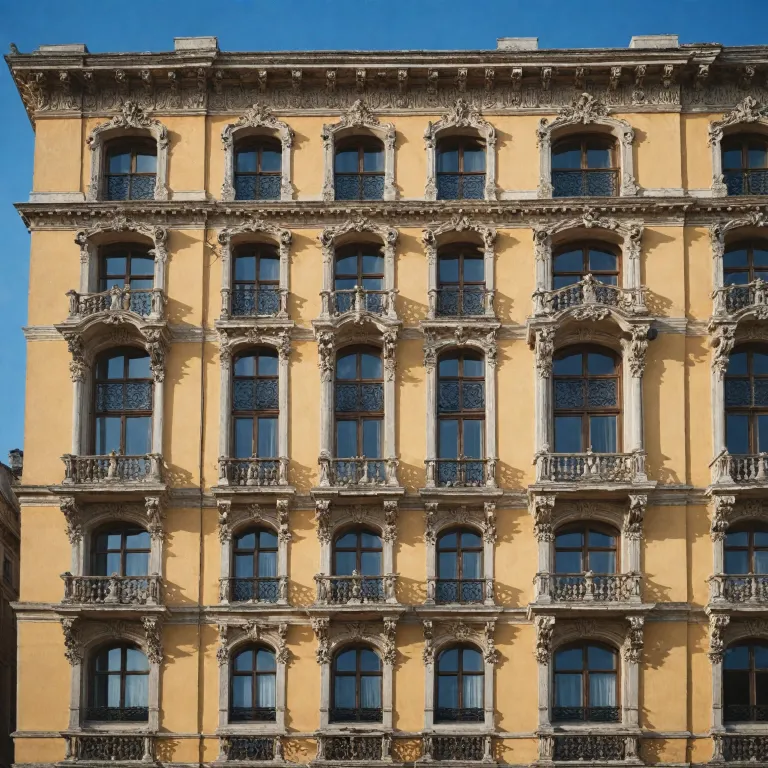
Architectural grandeur: exploring luxury hotels with iconic facades
Luxury hotels with iconic facades offer more than just a place to stay; they present a visual narrative that blends art, history, and contemporary design. These hotels, such as the Royal Hawaiian Hotel with its distinctive pink stucco and Spanish-Moorish architecture, are celebrated for their unique exteriors that instantly capture the imagination. The interplay between architecture and luxury is evident in every detail, from the grand entrances to the carefully designed rooftop terraces that provide sweeping views of the sea or city skyline. Guests are drawn to these hotels for their ability to merge the past and present, creating a collection of unforgettable experiences. Each hotel, whether nestled along the French Riviera or standing tall in the heart of New York, showcases a commitment to art design and architectural excellence.
The design of these hotels is not merely aesthetic; it serves as a bridge between eras, cultures, and lifestyles. For example, the Four Seasons Hotel Moscow replicates the historic Hotel Moskva’s iconic facade, blending Soviet-era grandeur with contemporary luxury. The Taal Vista Hotel in Tagaytay features an English Tudor-style facade, harmoniously integrating modern Filipino elements. These hotels are not only places to book a suite or villa but are also destinations where architecture becomes an integral part of the guest experience. The resort features, such as spa facilities and rooftop terraces, are thoughtfully designed to complement the overall concept and enhance the sense of place. The art deco influences at JW Marriott Essex House and the secessionist style of Hotel Belleclaire further demonstrate the diversity within this collection of luxury hotels with iconic facades.
Design innovation and historical preservation in luxury hotels
Preserving historical architecture while integrating modern amenities is a hallmark of luxury hotels with iconic facades. These hotels often collaborate with renowned architectural firms and historical societies to ensure that restoration efforts respect the original design while introducing contemporary comforts. The Hotel Danieli in Venice, housed in the 14th-century Palazzo Dandolo, exemplifies this approach by maintaining its opulent facade and interiors while offering state-of-the-art suites and spa services. This balance between preservation and innovation attracts travelers who value both heritage and modernity in their accommodations.
Hotel residences and suite hotels within these properties are designed to provide guests with a sense of exclusivity and comfort. The integration of art, architecture, and design is evident in every aspect, from the selection of materials to the layout of villas and resort spas. In Saudi Arabia, luxury resort developments are increasingly focusing on architectural concepts that reflect local culture while appealing to international tastes. The use of contemporary design elements alongside traditional motifs creates a unique aesthetic that sets these hotels apart. For those seeking a hotel with architecture that tells a story, these properties offer an immersive experience that goes beyond standard hospitality. For more insights on the intersection of design and luxury hospitality, explore our comprehensive guide to architectural hotel collections.
Signature suites, villas, and residences: redefining luxury accommodation
The suites, villas, and residences found in luxury hotels with iconic facades are meticulously designed to offer privacy, comfort, and a sense of place. Each suite hotel within this collection features bespoke interiors that reflect the overarching architectural theme, whether it is art deco, art design, or contemporary minimalism. Guests can book accommodations that range from sea-facing suites with private balconies to expansive villas nestled within lush gardens or along pristine beaches. The resort features often include exclusive access to spa facilities, rooftop terraces, and curated art collections that enhance the overall guest experience.
Hotel residences provide a home-away-from-home atmosphere, allowing guests to immerse themselves in the local culture while enjoying the amenities of a luxury resort. The concept of the resort hotel has evolved to prioritize personalized service, wellness offerings, and innovative design. At properties like the Royal Hawaiian Hotel and JW Marriott Essex House, guests can enjoy the unique blend of historical architecture and modern luxury. The integration of art, design, and architecture is central to the identity of these hotels, making each stay a memorable journey. For those interested in exploring more about the evolution of luxury accommodations, our article on luxury resort innovations provides valuable perspectives.
Art, culture, and the guest experience in architectural hotels
Art and culture are at the heart of the guest experience in luxury hotels with iconic facades. These hotels often curate art collections that reflect the local heritage and complement the architectural design. The Hotel Belleclaire, for instance, features an Art Nouveau and Secessionist-style facade designed by Emery Roth, setting the tone for an immersive cultural experience. Guests are encouraged to explore the history and significance of each hotel, with many properties offering guided tours and cultural programs. The integration of art design into public spaces, suites, and villas enhances the sense of place and fosters a deeper connection with the destination.
Resort spas within these hotels are designed to provide holistic wellness experiences that draw inspiration from the surrounding environment and architectural heritage. Whether it is a spa overlooking the sea or a rooftop terrace with panoramic views, the design of these spaces is intended to promote relaxation and rejuvenation. The concept of the hotel with art and architecture extends to every aspect of the guest journey, from the selection of materials to the curation of cultural events. For travelers seeking a hotel nestled in a vibrant cultural setting, these properties offer a unique blend of luxury, art, and history.
Global destinations: from the French Riviera to Saudi Arabia
Luxury hotels with iconic facades can be found in some of the world’s most sought-after destinations, each offering a distinct sense of place. Along the French Riviera, hotels are renowned for their elegant architecture, sea views, and proximity to cultural landmarks. In Saudi Arabia, the emergence of design hotels and resort spas reflects a growing appreciation for contemporary architecture and luxury hospitality. The hotel terrestre concept, which emphasizes sustainability and integration with the natural environment, is gaining traction in both established and emerging markets.
Park hotels and resort hotels in urban centers like New York and Moscow showcase how historical facades can be preserved while introducing modern amenities. The JW Marriott Essex House, with its art deco architecture and iconic rooftop sign, is a prime example of how design and luxury can coexist in a bustling metropolis. Guests can book suites and villas that offer a retreat from the city while remaining connected to its vibrant energy. The collection of luxury hotels with iconic facades continues to expand, offering travelers a diverse array of options for their next journey.
Booking strategies and guest tips for architectural hotel stays
When planning a stay at a luxury hotel with an iconic facade, it is advisable to book in advance to secure preferred accommodations. Many of these hotels offer a range of suites, villas, and residences, each designed to cater to different preferences and needs. Exploring the historical significance of the hotel’s architecture can enhance the overall experience, with guided tours and cultural programs available at select properties. As one expert notes, “Book in advance to secure preferred accommodations.”
Guests are encouraged to take advantage of the resort features, such as spa facilities, rooftop terraces, and curated art collections. The concept of the hotel with contemporary design ensures that every aspect of the stay is thoughtfully considered, from the layout of the suites to the selection of materials. For those seeking a hotel nestled in a unique setting, the integration of architecture, art, and luxury creates an unforgettable experience. “Explore the historical significance of each hotel's architecture.” Additionally, “Take advantage of guided tours offered by some hotels to learn more about their history.” These expert recommendations help travelers make the most of their stay at luxury hotels with iconic facades.
Key statistics on luxury hotels with iconic facades
- The Royal Hawaiian Hotel features 528 rooms, offering a wide range of accommodation options for guests.
- The JW Marriott Essex House stands at 140.51 meters, making it a prominent architectural landmark in New York City.
Frequently asked questions about luxury hotels with iconic facades
What makes the Royal Hawaiian Hotel's façade iconic?
Its distinctive pink stucco façade combined with Spanish/Moorish architecture has earned it the nickname 'The Pink Palace of the Pacific.'
Is the Four Seasons Hotel Moscow the same as the original Hotel Moskva?
The Four Seasons Hotel Moscow replicates the iconic façade of the original Hotel Moskva, which was demolished, but it is a modern reconstruction.
What architectural style is the Taal Vista Hotel known for?
The Taal Vista Hotel features an English Tudor-style façade blended with modern Filipino elements.
- https://www.royal-hawaiian.com/
- https://thelegendofmoscow.com/en/
- https://www.taalvistahotel.com/