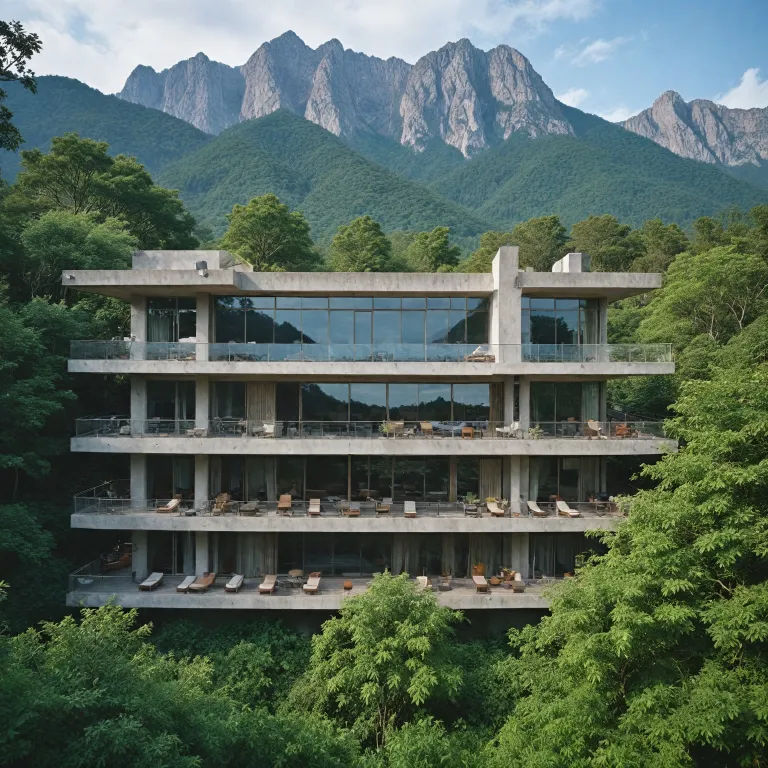
Immersive design: the essence of exclusive hotel architecture experiences
Exclusive hotel architecture experiences are transforming the way travelers perceive luxury and design. Each hotel, from the vibrant cityscape of Dubai to the tranquil shores of the Red Sea, is a testament to the seamless integration of architecture and nature. The interplay between contemporary design and local culture creates an environment where guests can truly engage with their surroundings.
Architectural hotels are not just places to stay; they are destinations in themselves. The Morpheus Hotel, designed by Zaha Hadid Architects, is renowned for its free-form exoskeleton structure, which eliminates the need for internal columns and creates open, fluid spaces. This innovative approach to design sets a new standard for luxury hotels, offering panoramic views and immersive experiences that go beyond traditional hospitality.
Incorporating sustainable materials and advanced construction techniques, these hotels prioritize both environmental responsibility and guest comfort. The Bulgari Resort & Mansions Bodrum, for example, uses terracing, green roofs, and subterranean structures to blend seamlessly with the natural landscape. This commitment to sustainability enhances the overall experience, allowing guests to appreciate the perfect harmony between architecture and nature.
Travelers seeking exclusive hotel architecture experiences are drawn to destinations that offer more than just luxurious accommodations. They are looking for unique design elements, art design installations, and contemporary design features that reflect the local culture and environment. Whether it's a suite hotel overlooking the sea or a collection hotel nestled in the heart of a bustling city, the emphasis is always on creating memorable, immersive experiences.
For those planning their next trip, researching the architectural history of the hotel before visiting can greatly enhance the experience. Engaging with guided tours and appreciating the cultural significance of the architectural features adds depth to the stay.
Integration of architecture and nature: creating perfect harmony in luxury resorts
The integration of architecture and nature is a defining characteristic of exclusive hotel architecture experiences. Luxury resorts in destinations like Saudi Arabia's Red Sea coast and the islands near Dubai are leading the way in blending built environments with natural landscapes. This approach not only enhances the aesthetic appeal but also promotes sustainability and guest well-being.
Shebara Resort, located on the Red Sea, exemplifies this philosophy by incorporating local materials and craftsmanship into its design. The villas and suites are positioned to maximize panoramic views of the sea, while infinity pools create a seamless transition between indoor and outdoor living. The result is a luxury resort that feels both exclusive and intimately connected to its surroundings.
Design hotels in Dubai and other major cities are also embracing this trend, using advanced construction techniques and collaborating with renowned architects to create spaces that reflect the unique character of their locations. The use of sustainable materials and energy-efficient systems further underscores the commitment to environmental stewardship.
Guests are encouraged to engage with the natural environment, whether through guided nature walks, water sports, or simply relaxing in a suite with floor-to-ceiling windows overlooking the landscape. This immersive approach to hospitality ensures that every stay is an experience to remember. For more insights on how architecture and nature create perfect harmony in luxury resorts, explore this resource on sustainable hotel design.
The emphasis on architecture nature integration is not limited to resorts; city hotels are also finding innovative ways to bring elements of the outdoors inside. Rooftop gardens, vertical green walls, and open-air lounges are just a few examples of how contemporary design is reshaping the urban hospitality landscape.
Cultural influences and art design in exclusive hotel architecture experiences
Cultural heritage and art design play a pivotal role in shaping exclusive hotel architecture experiences. From the dorchester collection in major cities to luxury hotels on remote islands, each property reflects the unique history and traditions of its location. This focus on cultural authenticity enhances the guest experience and fosters a deeper connection with the destination.
Hotels like the Dorchester in London and the Shebara Resort in Saudi Arabia incorporate local art, textiles, and design motifs into their interiors. These elements not only add visual interest but also tell a story about the region's cultural identity. The result is a suites hotel experience that is both luxurious and meaningful.
International airport proximity is another factor that influences hotel design, particularly in global cities like Dubai. Easy access to transportation hubs allows guests to transition seamlessly from travel to relaxation, while the hotel's architecture provides a sense of arrival and belonging. The integration of local materials and craftsmanship further reinforces the connection to place.
Art design installations and curated collections are becoming increasingly common in luxury hotels, offering guests the opportunity to experience discover new artists and cultural expressions. These initiatives support local communities and contribute to the overall ambiance of the property. To learn more about the role of art design in exclusive hotel architecture experiences, visit this article on art in luxury hotels.
By celebrating cultural diversity and artistic innovation, hotels create environments that are both inspiring and welcoming. This approach not only attracts discerning travelers but also sets a new benchmark for excellence in hospitality design.
Innovative suites and villas: redefining luxury living in architectural hotels
The evolution of suites and villas in architectural hotels has redefined the concept of luxury living. Exclusive hotel architecture experiences now offer guests a choice of accommodations that range from expansive villas with private infinity pools to elegantly appointed suites with panoramic views. Each space is designed to provide maximum comfort, privacy, and a sense of place.
Suite hotels in destinations like Dubai and the Red Sea region are renowned for their attention to detail and personalized service. The design of each suite reflects the local environment, with natural materials, contemporary furnishings, and state-of-the-art technology. This combination of style and functionality ensures that guests enjoy a truly immersive experience.
Villas at luxury resorts such as Shebara Resort and Bulgari Resort & Mansions Bodrum offer a unique blend of indoor and outdoor living. Expansive terraces, private gardens, and direct access to the sea create an atmosphere of exclusivity and relaxation. The use of sustainable materials and energy-efficient systems further enhances the appeal of these accommodations.
"Designed by Zaha Hadid Architects, Morpheus Hotel features a free-form exoskeleton structure, eliminating the need for internal columns and creating open, fluid spaces." This innovative approach to architecture allows for greater flexibility in room layouts and public spaces, resulting in a more dynamic and engaging guest experience.
Whether staying in a suite hotel in the heart of the city or a villa on a secluded island, guests can expect the highest standards of luxury and design. The focus on exclusive hotel architecture experiences ensures that every stay is memorable and unique.
Panoramic views and infinity pools: elevating the guest experience
Panoramic views and infinity pools have become signature features of exclusive hotel architecture experiences. These elements not only enhance the visual appeal of a property but also create a sense of tranquility and escape. Guests are drawn to hotels that offer breathtaking vistas of the sea, city, or natural landscape.
Luxury hotels in Dubai, Saudi Arabia, and other prime destinations are investing in innovative design solutions to maximize views and create seamless connections between indoor and outdoor spaces. Infinity pools, in particular, have become a hallmark of luxury resorts, offering guests the opportunity to swim while enjoying uninterrupted views of the horizon.
The design of these amenities is carefully considered to ensure both aesthetic beauty and functional excellence. Materials are chosen for their durability and visual impact, while landscaping and lighting enhance the overall ambiance. The result is a collection hotel experience that is both relaxing and inspiring.
"The resort uses terracing, green roofs, and subterranean structures to blend seamlessly with the natural landscape, emphasizing sustainability and local materials." This approach to design not only benefits the environment but also creates unique spaces for guests to enjoy.
Whether lounging by the pool, dining in an open-air restaurant, or relaxing in a suite with floor-to-ceiling windows, guests are surrounded by beauty and serenity. The emphasis on panoramic views and infinity pools sets a new standard for luxury hotels and resorts worldwide.
Booking the best hotels: navigating premium platforms for exclusive architecture
Finding and booking the best hotels for exclusive hotel architecture experiences requires access to premium platforms that curate exceptional properties. These websites specialize in showcasing luxury hotels, resorts, and villas that stand out for their design, location, and amenities. Travelers can browse a diverse selection of suite hotels, collection hotels, and design hotels tailored to their preferences.
Premium booking platforms provide detailed information on each property, including architectural highlights, art design features, and sustainability initiatives. High-quality images and virtual tours allow guests to experience discover the ambiance before making a reservation. This level of transparency and expertise builds trust and confidence among discerning travelers.
Many platforms also offer personalized recommendations based on guest preferences, travel dates, and desired experiences. Whether seeking a luxury resort on a private island, a contemporary design hotel in the city, or a villa with direct access to the sea, these services make it easy to find the perfect match. The integration of user reviews and expert insights further enhances the decision-making process.
"The hotel's design combines modern Danish and Japanese aesthetics, resulting in a minimalist yet warm environment." This attention to detail is reflected in the curated selection of properties available on premium booking websites.
By leveraging the expertise of industry professionals and the latest technology, travelers can book exclusive hotel architecture experiences with confidence. The result is a seamless journey from inspiration to arrival, ensuring that every stay is extraordinary.
Key statistics on exclusive hotel architecture experiences
- Number of rooms in Morpheus Hotel: 781 rooms
- Height of Burj Al Arab: 321 meters
- Year Bulgari Resort & Mansions Bodrum is set to open: 2027
Frequently asked questions about exclusive hotel architecture experiences
What makes Morpheus Hotel's architecture unique?
Designed by Zaha Hadid Architects, Morpheus Hotel features a free-form exoskeleton structure, eliminating the need for internal columns and creating open, fluid spaces.
How does Bulgari Resort & Mansions Bodrum integrate with its environment?
The resort uses terracing, green roofs, and subterranean structures to blend seamlessly with the natural landscape, emphasizing sustainability and local materials.
What architectural styles influence Hotel Toranomon Hills in Tokyo?
The hotel's design combines modern Danish and Japanese aesthetics, resulting in a minimalist yet warm environment.